Updated on 2025/12/04

写真a

 
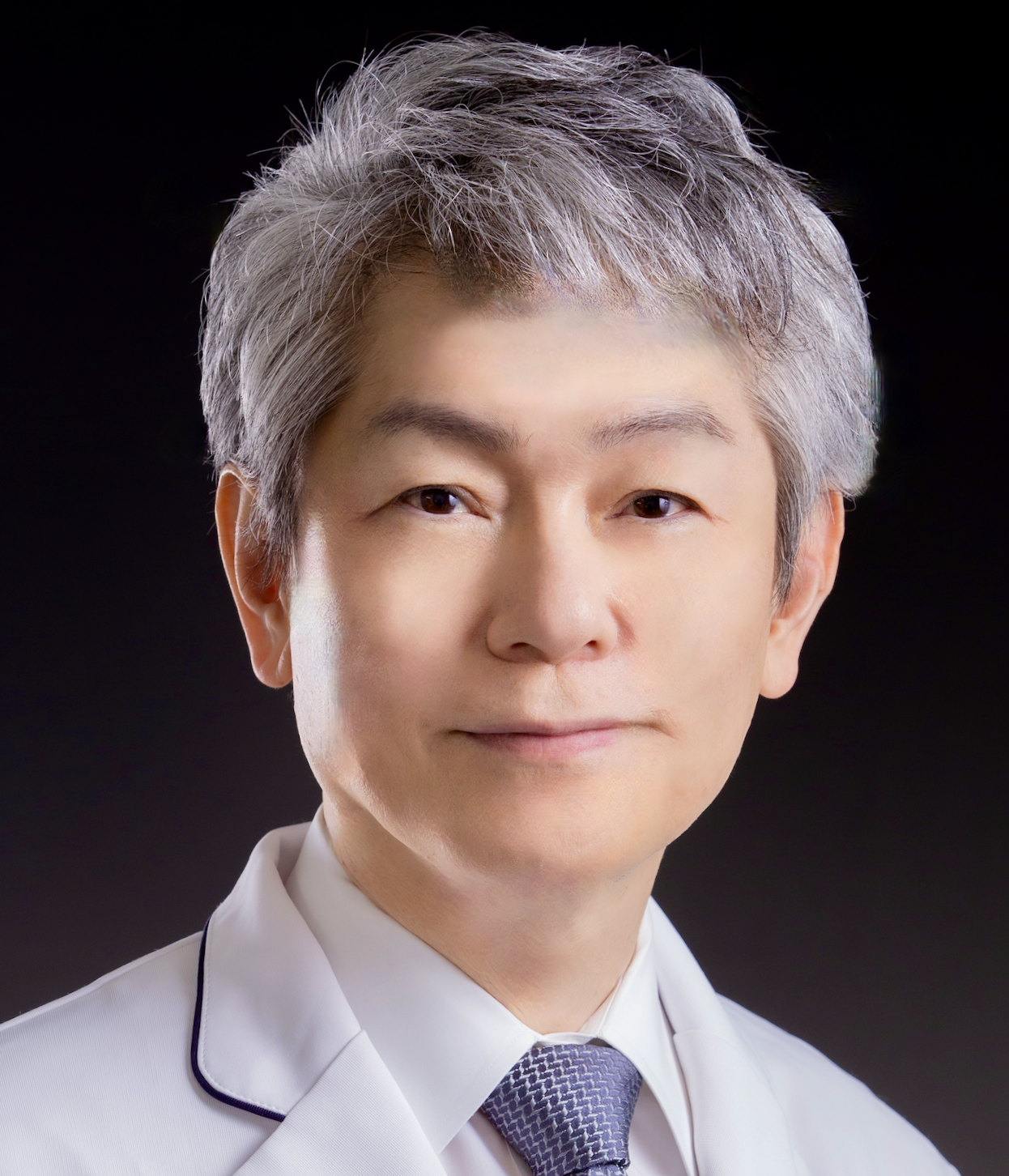
MATSUDA, Naoyuki
 
Organization
Graduate School of Medicine Program in Integrated Medicine Development Professor
Disaster Mitigation Research Center Professor
Graduate School
Graduate School of Medicine
Undergraduate School
School of Medicine
Title
Professor
Other name(s)
Department of Emergency & Critical Care Medicine, Nagoya University Graduate School of Medicine
Profile
Medical Areas of Expertise: Emergency Medicine, Anesthesiology, Critical Care Medicine, Disaster Medicine, Pharmacology

Clinical Specialties: Emergency Medicine (Board-Certified / Instructor), Critical Care Medicine (Board-Certified), Emergency and Critical Care Center, Intensive Care Unit, Emergency Anesthesia

Medical Licenses and Certifications:
・ Ministry of Health, Labour and Welfare (Japan):
Medical License (No. 353505)
・ Qualification for Anesthesiology (No. 7608)
Chief DMAT Qualification (No. 6314)
・ Japanese Association for Acute Medicine (JAAM):
Emergency Medicine Special Instructor (No. 765)
・ Japanese Medical Specialty Board: Emergency Medicine Specialist (No. 3407)
・ Japanese Society of Intensive Care Medicine (JSICM):
Board-Certified Specialist in Intensive Care Medicine (No. 040044)
・ Japanese Association for Infectious Diseases (JAID):
Infection Control Doctor (ICD) (No. AM0250)
External link

Degree 2

  1. MD, Bachelor of Medicine: Graduated from the School of Medicine (Faculty of Medicine) ( 1993.4   Hokkaido University ) 

  2. PhD:Doctor of Philosophy in Medicine: Completed the Graduate School of Medicine ( 2000.3   Hokkaido University ) 

Research Interests 12

  1. ▢ Emergency Medicine

  2. ▢ Pathogenesis and treatment of multiple organ failure

  3. ▢ Sepsis and Systemic Cell Dysfunction

  4. ▢ Critical Care Medicine, Intensive Care Medicine

  5. ▢ Anesthesiology

  6. ▢ ICU Management System and Educational System

  7. ▢ Emergency Room System: Management, Education and Tele-ER System

  8. ▢ Regional severe trauma management system

  9. ▢ tele-ICU system

  10. Tele-Sepsis Management

  11. ▢ Cardiovascular Pharmacology

  12. ▢ Respiratory Pharmacology

Research Areas 5

  1. Life Science / Emergency medicine  / Emergency Medicine and Critical Care Medicine

  2. Life Science / Anesthesiology  / Anesthesiology

  3. Life Science / Pharmacology  / Pharmacology

  4. Life Science / Infectious disease  / Infection Control

  5. Life Science / Emergency medicine  / Disaster Medicine, CBRNE Medicine,Acute Toxicology

Current Research Project and SDGs 6

  1. Promoting a Global Understanding of Sepsis and Septic Shock: Initiatives Established in Partnership with the Global Sepsis Alliance and World Health Organization

  2. In-hospital Education of Intensive Care and Critical Care as a Closed and High Intensity System of ICU managements

  3. Clinical Managements and the Education: Advanced Clinical Management and Education in Emergency Care

  4. Basic and Foundational Research on the Pathophysiological Mechanisms of Sepsis and the Development of Novel Therapeutics

  5. Research on Cell Death in Emergency and Critical Care: Building a Theory for Cell-saving Strategy in Emergency Care

  6. Research on the Rational Use of Medications in Emergency Departments and Intensive Care Units

▼display all

Research History 11

  1. Nagoya University Graduate School of Medicine   Department of Emergency & Critical Medicine   Professor   Professor and Chair

    2010.2

      More details

    Country:Japan

    Notes:Professor and Chairman, Department of Emergency and Critical Care Medicine, Graduate School of Medicine, Nagoya University Responsibility: ▢ Administration ▢ Emergency Medicine ▢ Critical Care Medicine ▢ Disaster and Risk Reduction Medicine

  2. Nagoya University Center for Disaster Risk Reduction Research   Center for Disaster Risk Reduction Research   Professor   Professor

    2010.12

      More details

    Country:Japan

    Notes:From February 2010 to Present (renewed in February 2020) Professor, Department of Emergency and Critical Care Medicine, Graduate School of Medicine, Nagoya University From December 2010 to Present Professor (Concurrent), Center for Disaster Medicine, Nagoya University Educational Subjects: Disaster Medicine Researches and Educations: 1. Development of educational content on infection prevention measures during disasters, including earthquakes 2. Post-disaster infectious disease management 3. AI development for infection prevention strategies 4. Simulation development for distributed patient transport in multiple-vehicle traffic accidents 5. Multi-institutional in-hospital training for emergency medical systems in preparation for the Nankai-Trough earthquake 6. Development of Tele-ER system for Emergency and severe earthquake 7. Clinical Education in Emergency Management of Critically Ill Patients

  3. Kyoto University   Department of Primary Care and Emergency Medicine   Associate Professor   Associate Professor

    2007.9 - 2010.1

      More details

    Country:Japan

    Notes: Associate Professor, Department of Primary Care and Emergency Medicine, Graduate School of Medicine, Kyoto University Associate Professor, Department of Emergency Medicine, Kyoto University Hospital Associate Professor, Emergency Unit, Kyoto University Hospital Educational Activities: ▢ Lecture (Auditorium): Sepsis ▢ Clinical Practicum: Emergency Department

  4. Toyama Medical and Pharmaceutical University   Department of Anesthesiology, University of Toyama Hospital   Professor of Hospital   Hospital Professor

    2007.1 - 2007.8

      More details

    Country:Japan

    Notes:Hospital Professor, Toyama University

  5. Toyama Medical and Pharmaceutical University   Department of Molecular Medical Pharmacology   Associate Professor   Associate Professor

    2006.2 - 2007.8

      More details

    Country:Japan

    Notes:Associate Professor, Department of Molecular Medical Pharmacology, Graduate School of Medicine and Pharmaceutical Sciences, University of Toyama Graduate School Lecture Instructor, University of Toyama Lecturer, Medical School, University of Toyama – Large Auditorium Lectures/ Pharmacology Lectures for the School of Nursing – 90 minutes × 13 sessions Naoyuki Matsuda MD, PhD Mechanisms of drug action and metabolism 1. Intracellular signaling pathways 2. Cardiovascular pharmacology 3. Sympathetic nervous system 4. Parasympathetic nervous system 5. Central nervous system active drugs (1) – Major tranquilizers 6. Central nervous system active drugs (2) – Major tranquilizers 7. The science of anesthetic drugs 8. Pharmacology of the neuromuscular junction 9. Gastrointestinal drugs: liver, biliary, pancreas, small intestine, large intestine 10. Renal pharmacology 11. Inflammatory receptor signaling and drugs 12. Hormone receptor signaling 13. Mechanisms and roles of steroids Graduate School Lecture, University of Toyama – 90 minutes × 2 sessions Naoyuki Matsuda MD, PhD 1. Molecular pathophysiology of sepsis and foundations for drug discovery 2. Advances in intracellular signaling pathways in the cardiovascular system

  6. Hokkaido University   Designated Lecturer   Lecturer (In-House), Department of Emergency Medicine, Graduate School of Medicine, Hokkaido University

    2004.4 - 2006.1

      More details

    Country:Japan

    Notes:Lecturer (In-House), Department of Emergency Medicine, Graduate School of Medicine, Hokkaido University

  7. Hokkaido University   Depart of Emergency Medicine   Assistant Professor   Assistant Professor

    2000.10 - 2006.1

      More details

    Country:Japan

    Notes:Naoyuki Matsuda MD, PhD Hokkaido University Hospital June 2001 – Director of the Department of Emergency Medicine, Graduate School of Medicine, Hokkaido University (Ended March 31, 2003) October 2001 – Chief Physician, Emergency Ward, Hokkaido University Hospital; concurrently Infection Control Manager (ICM) (Ended January 31, 2006) June 2002 – Member, Ward Infection Control Project Committee, Hokkaido University Hospital; Member, Sapporo Infection Control Network (Ended January 31, 2006) April 2004 – Concurrently Lecturer, Faculty of Medicine, Hokkaido University; Concurrently Chief of Comprehensive Safety and Health Management, Graduate School of Medicine, Hokkaido University (Ended January 31, 2006) June 2004 – Deputy Director, Emergency Department, Hokkaido University Hospital (Ended January 31, 2006) August 2004 – Concurrently Risk Manager, Department of Emergency Medicine, Hokkaido University Hospital (Ended January 31, 2006)

  8. Hokkaido University   Departments of Emergency and Critical Care Medicine, Hokkaido University Hospital   Part-time faculty member   Medical Staff

    2000.4 - 2000.9

      More details

    Country:Japan

    Notes:Medical Staff, Departments of Emergency and Critical Care Medicine, Hokkaido University Hospital

  9. Hokkaido University   Department of Surgery   Part-time faculty member

    1995.4 - 2000.3

      More details

    Country:Japan

    Notes:Graduate Student / Board-Certified Anesthesiologist Anesthesia Duties (Twice Weekly in the Operating Room) Surgical Management Areas: ▢ Cardiac Surgery on Pomp/ Major Vascular Surgery on Pomp ▢ Hepatectomy ▢ Radical Hysterectomy ▢ Pheochromocytoma / Paraganglioma etc. Lectures ▢ The Four Elements of Anesthesia Management and Selection of Specific Anesthetic Techniques ▢ Pharmacology and Administration of Intravenous Anesthetics ▢ Guidelines for Transfusion in Massive Hemorrhage ▢ Management of Preoperative Comorbidities ▢ Neuromuscular Junction Management ▢ Clinical Practical Training: Hands-on Anesthesia Techniques etc.

  10. Sunagawa Municipal Hospital, Hokkaido, Japan   Operating Room / Intensive Care Unit   Staff Physician   Staff Physician

    1994.4 - 1995.3

      More details

    Country:Japan

    Notes: Clinical Training, Sunagawa Municipal Hospital, Hokkaido ▢ Training period until becoming a licensed anesthesiologist (Anesthesia cases: 214) ▢ Management as the attending physician in the Intensive Care Unit (ICU cases: 37), including traffic trauma, severe respiratory failure, post-cardiac surgery, and post-esophageal surgery ▢ Concurrent assignment in the Emergency Department

  11. Staff Physician, Hokkaido University Hospital   Staff Physician, Hokkaido University Hospital   Staff Physician   Staff Physician

    1993.4 - 1994.3

      More details

    Country:Japan

▼display all

Education 2

  1. Hokkaido University   Graduate School, Division of Medicine   Surgery

    1995.4 - 2000.3

      More details

    Country: Japan

    Notes: Ph.D. Awarded: Doctor of Medical Science, Hokkaido University, Dissertation No. 5455 Doctoral Thesis: Pathophysiological Modulation of Intracellular Signaling in Cardiomyocytes This thesis is based on three original English-language research articles that investigated intracellular signaling mechanisms in ventricular myocytes in detail. Naoyuki Matsuda: Pathophysiological Modulation of Intracellular Signaling in Cardiomyocytes. Hokkaido University Library, A5455, 2000.

  2. Hokkaido University   Faculty of Medicine   Division of Medicine

    1986.4 - 1993.3

      More details

    Country: Japan

    Notes: March 1993 – Graduated from the School of Medicine, Hokkaido University April 1993 – Obtained Medical License

Professional Memberships 37

  1. Global Sepsis Alliance(GSA)   Board Member

    2022.4

  2. Japan Sepsis Alliance(JaSA)   Executive Board Member

    2019.4

  3. Kyoto Sepsis Alliance   Executive Director & Founder

    2024.4

  4. Japanese Society of Cardiovascular Anesthesia (JSCA)   Chief Council, Permanent Director

    2023.4

  5. Japanese Society of Cardiovascular Anesthesiologists   Board Member

    2013.9 - 2023.3

  6. the Japanese Association for Acute Medicine (JAAM)   Chubu Regional Journal of the Japanese Association for Acute Medicine (JAAM)

    2024.4

  7. Japan Society of Surgical Infection   Councilor

    2016.4

  8. Japanese Society of Intensive Care Medicine (JSICM)   Board Member

    2014.3

  9. Chubu Chapter, Japanese Association for Acute Medicine   Board Member

    2011.4

  10. Japan Society of Surgical Infection   Vice Chair, Committee on Quality and Safety in Medicine

    2007.4

  11. Japan Pharmacological Society   Councilor

    2005.4

  12. Japanese Society of Anesthesiologists. All rights reserved.   Head of Division Chief, Critical Care Review Committee

    2025.6

  13. Japanese Society of Anesthesiologists   Councillor

    2024.4

  14. Japanese Association for Acute Medicine (JAAM)   Councilor

    2016.4

  15. The Japanese Society of Cardiovascular Anesthesiologists   Head of the Intensive Care Committee / Founding Chair

    2015.4

  16. Journal of Cardiothoracic and Vascular Anesthesia   Editorial Board

    2010.4

  17. 日本臨床麻酔学会   評議員

    2010.4

  18. The Japan Society for Clinical Anesthesia   Editorial Reviewer

    2007.4

  19. 日本集中治療医学会   集中治療薬剤委員会・委員長

    2021.4 - 2023.3

  20. 日本集中治療医学会   広報委員会・委員長

    2014.4 - 2023.3

  21. 日本集中治療医学会   Global Sepsis Alliance委員会・担当理事

    2019.1 - 2025.3

  22. 日本麻酔科学会   評議員

    2005.4 - 2010.3

  23. 日本感染症学会

  24. 日本化学療法学会

  25. 日本外傷学会

  26. 日本呼吸器学会

  27. 日本炎症・再生医学会

  28. 日本ペインクリニック学会

  29. Japanese Society of Intensive Care Medicine   Chairman of International Committee

    2013.4 - 2017.3

  30. 日本心臓血管麻酔学会   編集委員長

    2011.4 - 2016.3

  31. 日本集中治療医学会   専門医委員会 委員

    2010.4 - 2011.3

  32. 日本循環制御医学会   機関誌編集委員

    2007.4 - 2013.3

  33. the Society of Critical Care Medicine   Internal Medicine Section member

    2007.4 - 2008.3

  34. 日本外科感染症学会誌   編集委員・査読委員

    2006.4 - 2012.3

  35. 日本心臓血管麻酔学会   文献レビュー委員会 委員長

    2006.4 - 2010.3

  36. Japanese Society of Intensive Care Medicine   Councilor

    2005.4

  37. American Society of Anesthesiologist

▼display all

Committee Memberships 7

  1. 名古屋大学入学試験実施委員会   委員  

    2010.4   

  2. Nagoya City Medical Control Council   Deputy Chairman/Vice Chair  

    2010.4   

      More details

    Committee type:Municipal

    Nagoya city medical council serves as a forum for deliberation on the optimization of emergency medical transport within the City of Nagoya, which handles more than 150,000 ambulance dispatches annually, with the aim of enhancing on-site emergency operations as part of the city’s medical control framework.

  3. Nagoya University School of Medicine, Public Relations and Website Advisory Committee   committee member  

    2014.4   

      More details

    Committee type:Other

    Nagoya University School of Medicine, Public Relations and Website Advisory Committee

  4. 名大病院災害対策専門委員会   委員長  

    2013.4 - 2018.9   

  5. 名大病院救急外来及び救急・内科系集中治療部運営協議会   設立委員長/議長  

    2011.4 - 2018.9   

  6. 名大病院移植検討委員会   委員長  

    2012.4 - 2018.9   

  7. Nagoya Journal of Medical Science(NJMS)   Editorial Advisory Board  

    2011.4   

      More details

    Committee type:Academic society

    Editorial Advisory Board

▼display all

Awards 17

  1. Journal of Intensive Care Review of the Year 2023

    2024.3   日本集中治療医学会   Journal of Intensive Care Review of the Year 2023

     More details

    Award type:Honored in official journal of a scientific society, scientific journal 

    日本集中治療医学会の国際誌の原著論文等の査読に対するベストレビューアとしての表彰です。

  2. Journal of Intensive Care Review of the Year 2021

    2022.3   日本集中治療医学会  

     More details

    Award type:Honored in official journal of a scientific society, scientific journal 

    日本集中治療医学会の国際誌の原著論文等の査読に対するベストレビューアとしての表彰です。

  3. Awarded the Yamamura Memorial Award, Japanese Society of Anesthesiologists (28th)

    2009.8   The Japanese Society of Anesthesiologists   Yamamura Memorial Award

    Naoyuki Matsuda MD, PhD

     More details

    Award type:Award from Japanese society, conference, symposium, etc.  Country:Japan

    Title of Accepted Content:
    "Functional Analysis of the Transcription Factor NF-κB in the Pathogenesis of Sepsis"

    Honored by the Japanese Society of Anesthesiologists and Delivered a Commemorative Lecture

    Naoyuki Matsuda MD, PhD
    Recipient of the 28th Academic Award of the Japanese Society of Anesthesiologists (2009)

    Yamamura Memorial Special Lecture
    "Functional Analysis of the Transcription Factor Nuclear Factor-κB in the Pathogenesis of Sepsis"
    The Role of Nuclear Factor κB in the Pathogenesis of Severe Sepsis and Septic Shock: Possible Mechanisms of the Gene Therapy for Inflammatory Alert Cells
    Presented at the 56th Annual Meeting of the Japanese Society of Anesthesiologists
    August 18, 2009 – Kobe

  4. Awarded the “Best Lecture Award” selected by medical students, Nagoya University School of Medicine, AY2019

    2019.3   Nagoya University School of Medicine   Best Lecture Award 2018

    Naoyuki Matsuda MD, PhD

     More details

    Country:Japan

  5. Awarded the “Best Lecture Award” selected by medical students, Nagoya University School of Medicine, AY2018

    2018.3   Nagoya University School of Medicine   Best Lecture Award 2017

    Naoyuki matsuda MD, PhD

     More details

    Country:Japan

  6. Awarded the “Best Lecture Award” selected by medical students, Nagoya University School of Medicine, AY2016

    2017.3   Nagoya University School of Medicine   Best Lecture Award 2016

    Naoyuki Matsuda MD, PhD

     More details

    Country:Japan

  7. Awarded the “Best Lecture Award” selected by medical students, Nagoya University School of Medicine, AY2015

    2016.3   Nagoya University School of Medicine   Best Lecture Award 2015

    Naoyuki Matsuda MD, PhD

     More details

    Country:Japan

  8. Awarded the “Best Lecture Award” selected by medical students, Nagoya University School of Medicine, AY2014

    2014.3   Nagoya University School of Medicine   Best Lecture Award 2013

    Naoyuki Matsuda MD, PhD

     More details

    Country:Japan

  9. 2009年日本集中治療医学会 優秀論文賞

    2010.3   日本集中治療医学会  

     More details

    Award type:Honored in official journal of a scientific society, scientific journal  Country:Japan

    Nuclear factor-κB decoy oligodeoxynucleotides ameliorate impaired glucose tolerance and insulin resistance in mice with cecal ligation and puncture-induced sepsis. Crit Care Med 37:2791-2799,2009.

  10. 39th 米国集中治療医学会 Annual Scientific Award

    2010.1   米国集中治療医学会   Annual Scientific Award

    松田直之

     More details

    Award type:Honored in official journal of a scientific society, scientific journal  Country:United States

    Inhaled TAK1 siRNA Improves Lung Inflammation and Apoptosis by Reduced Transcriptional Activity of NF-kB and AP-1

  11. 40th Society of Critical Care Medicine Reserch Citation Award

    2010.1   the Society of Critical Care Medicine   Reserch Citation Award

    Naoyuki Matsuda MD, PhD

     More details

    Award type:Honored in official journal of a scientific society, scientific journal  Country:United States

  12. 35th Society of Critical Care Medicine Reserch Citation Award

    2006.1   the Society of Critical Care Medicine   Reserch Citation Award

    Naoyuki Matsuda

     More details

    Award type:Honored in official journal of a scientific society, scientific journal  Country:United States

  13. 2004年日本集中治療医学会 優秀論文賞

    2005.2   日本集中治療医学会  

     More details

    Country:Japan

    Therapeutic effect of in vivo transfection of transcription factor decoy to NF-kB on septic lung in mice. Am J Physiol Lung Cell Mol Physiol 287: L1248-L1255,2004.

  14. 日本ヒスタミン研究会 第1回和田記念賞

    2004.12   日本ヒスタミン研究会  

     More details

    Country:Japan

    敗血症に合併する急性肺障害の増悪機構 ―ヒスタミン受容体発現の変化―

  15. 33th SCCM Annual Scientific Award

    2004.2   the Society of Critical Care Medicine   Annual Scientific Award

    Naoyuki Matsuda MD, PhD

     More details

    Country:United States

  16. 日本救急医学会 丸茂賞

    2003.11   日本救急医学会  

     More details

    Country:Japan

  17. 北海道麻酔科学会 第15回高橋賞

    2002.9   北海道麻酔科学会  

     More details

    Country:Japan

▼display all


Papers 150

  1. Vascular endotheliitis associated with infections: Its pathogenetic role and therapeutic implication Reviewed

    Hattori, Y; Hattori, K; Machida, T; Matsuda, N

    BIOCHEMICAL PHARMACOLOGY   Vol. 197   page: 114909   2022.3

     More details

    Language:English   Publishing type:Research paper (scientific journal)  

    DOI: 10.1016/j.bcp.2022.114909

    Web of Science

    PubMed

  2. Efficacy and safety of landiolol, an ultra-short-acting beta 1-selective antagonist, for treatment of sepsis-related tachyarrhythmia (J-Land 3S): a multicentre, open-label, randomised controlled trial Reviewed

    Kakihana Yasuyuki, Nishida Osamu, Taniguchi Takumi, Okajima Masaki, Morimatsu Hiroshi, Ogura Hiroshi, Yamada Yoshitsugu, Nagano Tetsuji, Morishima Eiichiro, Matsuda Naoyuki

    LANCET RESPIRATORY MEDICINE   Vol. 8 ( 9 ) page: 863 - 872   2020.9

     More details

    Authorship:Last author, Corresponding author   Language:Japanese   Publishing type:Research paper (scientific journal)  

    DOI: 10.1016/S2213-2600(20)30037-0

    Web of Science

    PubMed

  3. Impact of patient characteristics on the efficacy and safety of landiolol in patients with sepsis-related tachyarrhythmia: Subanalysis of the J-Land 3S randomised controlled study Reviewed

    Matsuda Naoyuki, Nishida Osamu, Taniguchi Takumi, Okajima Masaki, Morimatsu Hiroshi, Ogura Hiroshi, Yamada Yoshitsugu, Nagano Tetsuji, Ichikawa Akira, Kakihana Yasuyuki

    ECLINICALMEDICINE   Vol. 28   page: 100571   2020.11

     More details

    Authorship:Lead author, Corresponding author   Language:Japanese   Publishing type:Research paper (scientific journal)  

    DOI: 10.1016/j.eclinm.2020.100571

    Web of Science

    PubMed

  4. New drug discovery for surviving sepsis from multiple organ failure Reviewed

    Matsuda Naoyuki

    JOURNAL OF PHARMACOLOGICAL SCIENCES   Vol. 128 ( 3 ) page: S44-S44   2015.7

     More details

    Language:English   Publishing type:Research paper (scientific journal)  

    Web of Science

  5. Clinical paper The rCAST score is useful for estimating the neurological prognosis in pediatric patients with post-cardiac arrest syndrome before ICU admission: External validation study using a nationwide prospective registry Reviewed

    Yasuda Yuma, Nishikimi Mitsuaki, Matsui Kota, Numaguchi Atsushi, Nishida Kazuki, Emoto Ryo, Matsui Shigeyuki, Matsuda Naoyuki

    RESUSCITATION   Vol. 168   page: 103 - 109   2021.11

     More details

    Language:Japanese   Publishing type:Research paper (scientific journal)  

    DOI: 10.1016/j.resuscitation.2021.09.025

    Web of Science

    PubMed

  6. Clinical impact of visually assessed right ventricular dysfunction in patients with septic shock Reviewed

    Hiraiwa Hiroaki, Kasugai Daisuke, Ozaki Masayuki, Goto Yukari, Jingushi Naruhiro, Higashi Michiko, Nishida Kazuki, Kondo Toru, Furusawa Kenji, Morimoto Ryota, Okumura Takahiro, Matsuda Naoyuki, Matsui Shigeyuki, Murohara Toyoaki

    SCIENTIFIC REPORTS   Vol. 11 ( 1 ) page: 18823   2021.9

     More details

    Language:Japanese   Publishing type:Research paper (scientific journal)  

    DOI: 10.1038/s41598-021-98397-8

    Web of Science

    PubMed

  7. The Japanese Clinical Practice Guidelines for Management of Sepsis and Septic Shock 2020 (J-SSCG 2020). Reviewed

    Egi M, Ogura H, Yatabe T, Atagi K, Inoue S, Iba T, Kakihana Y, Kawasaki T, Kushimoto S, Kuroda Y, Kotani J, Shime N, Taniguchi T, Tsuruta R, Doi K, Doi M, Nakada TA, Nakane M, Fujishima S, Hosokawa N, Masuda Y, Matsushima A, Matsuda N, Yamakawa K, Hara Y, Sakuraya M, Ohshimo S, Aoki Y, Inada M, Umemura Y, Kawai Y, Kondo Y, Saito H, Taito S, Takeda C, Terayama T, Tohira H, Hashimoto H, Hayashida K, Hifumi T, Hirose T, Fukuda T, Fujii T, Miura S, Yasuda H, Abe T, Andoh K, Iida Y, Ishihara T, Ide K, Ito K, Ito Y, Inata Y, Utsunomiya A, Unoki T, Endo K, Ouchi A, Ozaki M, Ono S, Katsura M, Kawaguchi A, Kawamura Y, Kudo D, Kubo K, Kurahashi K, Sakuramoto H, Shimoyama A, Suzuki T, Sekine S, Sekino M, Takahashi N, Takahashi S, Takahashi H, Tagami T, Tajima G, Tatsumi H, Tani M, Tsuchiya A, Tsutsumi Y, Naito T, Nagae M, Nagasawa I, Nakamura K, Nishimura T, Nunomiya S, Norisue Y, Hashimoto S, Hasegawa D, Hatakeyama J, Hara N, Higashibeppu N, Furushima N, Furusono H, Matsuishi Y, Matsuyama T, Minematsu Y, Miyashita R, Miyatake Y, Moriyasu M, Yamada T, Yamada H, Yamamoto R, Yoshida T, Yoshida Y, Yoshimura J, Yotsumoto R, Yonekura H, Wada T, Watanabe E, Aoki M, Asai H, Abe T, Igarashi Y, Iguchi N, Ishikawa M, Ishimaru G, Isokawa S, Itakura R, Imahase H, Imura H, Irinoda T, Uehara K, Ushio N, Umegaki T, Egawa Y, Enomoto Y, Ota K, Ohchi Y, Ohno T, Ohbe H, Oka K, Okada N, Okada Y, Okano H, Okamoto J, Okuda H, Ogura T, Onodera Y, Oyama Y, Kainuma M, Kako E, Kashiura M, Kato H, Kanaya A, Kaneko T, Kanehata K, Kano KI, Kawano H, Kikutani K, Kikuchi H, Kido T, Kimura S, Koami H, Kobashi D, Saiki I, Sakai M, Sakamoto A, Sato T, Shiga Y, Shimoto M, Shimoyama S, Shoko T, Sugawara Y, Sugita A, Suzuki S, Suzuki Y, Suhara T, Sonota K, Takauji S, Takashima K, Takahashi S, Takahashi Y, Takeshita J, Tanaka Y, Tampo A, Tsunoyama T, Tetsuhara K, Tokunaga K, Tomioka Y, Tomita K, Tominaga N, Toyosaki M, Toyoda Y, Naito H, Nagata I, Nagato T, Nakamura Y, Nakamori Y, Nahara I, Naraba H, Narita C, Nishioka N, Nishimura T, Nishiyama K, Nomura T, Haga T, Hagiwara Y, Hashimoto K, Hatachi T, Hamasaki T, Hayashi T, Hayashi M, Hayamizu A, Haraguchi G, Hirano Y, Fujii R, Fujita M, Fujimura N, Funakoshi H, Horiguchi M, Maki J, Masunaga N, Matsumura Y, Mayumi T, Minami K, Miyazaki Y, Miyamoto K, Murata T, Yanai M, Yano T, Yamada K, Yamada N, Yamamoto T, Yoshihiro S, Tanaka H, Nishida O

    Journal of intensive care   Vol. 9 ( 1 ) page: 53   2021.8

     More details

    Language:English   Publishing type:Research paper (scientific journal)  

    DOI: 10.1186/s40560-021-00555-7

    PubMed

  8. Matsuda N,Hattori Y,Kemmotsu O,Gando S. Pathological significance of over-production of histamine and altered transcriptional regulation of H1- and H2-receptors during septic shock. Invited Reviewed International journal

    Matsuda N,Hattori Y,Kemmotsu O,Gando S.

    Pathological significance of over-production of histamine and altered transcriptional regulation of H1- and H2-receptors during septic shock. In Histamine Reserch at the New Millenium eds. by T.Watanabe and K. Yanai. Elsevier Science,173-178,2001     page: 173 - 178   2021

     More details

    Authorship:Lead author   Language:English   Publishing type:Research paper (scientific journal)  

  9. Beneficial effect of STAT3 decoy oligodeoxynucleotide transfection on organ injury and mortality in mice with cecal ligation and puncture-induced sepsis Reviewed

    Imbaby Samar, Matsuda Naoyuki, Tomita Kengo, Hattori Kohshi, Palikhe Sailesh, Yokoo Hiroki, Hattori Yuichi

    SCIENTIFIC REPORTS   Vol. 10 ( 1 ) page: 15316   2020.9

     More details

    Language:Japanese   Publishing type:Research paper (scientific journal)  

    DOI: 10.1038/s41598-020-72136-x

    Web of Science

    PubMed

  10. Effect of Administration of Ramelteon, a Melatonin Receptor Agonist, on the Duration of Stay in the ICU: A Single-Center Randomized Placebo-Controlled Trial Reviewed

    Nishikimi Mitsuaki, Numaguchi Atsushi, Takahashi Kunihiko, Miyagawa Yasuhiro, Matsui Kota, Higashi Michiko, Makishi Go, Matsui Shigeyuki, Matsuda Naoyuki

    CRITICAL CARE MEDICINE   Vol. 46 ( 7 ) page: 1099-1105   2018.7

     More details

    Authorship:Last author   Language:English   Publishing type:Research paper (scientific journal)  

    DOI: 10.1097/CCM.0000000000003132

    Web of Science

    PubMed

  11. Activator Protein-1 Decoy Oligodeoxynucleotide Transfection Is Beneficial in Reducing Organ Injury and Mortality in Septic Mice Reviewed

    Imaizumi Takahiro, Matsuda Naoyuki, Tomita Kengo, Palikhe Sailesh, Ohashi Wakana, Hattori Kohshi, Hattori Yuichi

    CRITICAL CARE MEDICINE   Vol. 46 ( 5 ) page: E435 - E442   2018.5

     More details

    Language:English   Publishing type:Research paper (scientific journal)  

    DOI: 10.1097/CCM.0000000000003009

    Web of Science

    PubMed

  12. Diminished responsiveness to dobutamine as an inotrope in mice with cecal ligation and puncture-induced sepsis: attribution to phosphodiesterase 4 upregulation Reviewed

    Sakai Mari, Suzuki Tokiko, Tomita Kengo, Yamashita Shigeyuki, Palikhe Sailesh, Hattori Kohshi, Yoshimura Naoki, Matsuda Naoyuki, Hattori Yuichi

    AMERICAN JOURNAL OF PHYSIOLOGY-HEART AND CIRCULATORY PHYSIOLOGY   Vol. 312 ( 6 ) page: H1224-H1237   2017.6

     More details

    Language:English   Publishing type:Research paper (scientific journal)  

    DOI: 10.1152/ajpheart.00828.2016

    Web of Science

    PubMed

  13. CAST: a new score for early prediction of neurological outcomes after cardiac arrest before therapeutic hypothermia with high accuracy Reviewed

    Nishikimi Mitsuaki, Matsuda Naoyuki, Matsui Kota, Takahashi Kunihiko, Ejima Tadashi, Liu Keibun, Ogura Takayuki, Higashi Michiko, Umino Hitoshi, Makishi Go, Numaguchi Atsushi, Matsushima Satoru, Tokuyama Hideki, Nakamura Mitsunobu, Matsui Shigeyuki

    INTENSIVE CARE MEDICINE   Vol. 42 ( 12 ) page: 2106-2107   2016.12

     More details

    Authorship:Last author   Language:English   Publishing type:Research paper (scientific journal)  

    DOI: 10.1007/s00134-016-4492-3

    Web of Science

    PubMed

  14. *Silencing of Fas-associated Death Domain Protects Mice from Septic Lung Inflammation and Apoptosis. Reviewed

    Matsuda N,Yamamoto S, Takano KI, Kageyama SI, Kurobe Y, Yoshiwara Y, Takano Y, Hattori Y.

    Am J Respir Crit Care Med   Vol. 79   page: 806-815   2009.6

     More details

    Authorship:Lead author   Language:English   Publishing type:Research paper (scientific journal)  

  15. *Silencing of caspase-8 and caspase-3 by RNA interference prevents vascular endothelial cell injury in mice with endotoxic shock. Reviewed

    Matsuda N,Takano Y,Kageyama S,Hatakeyama N,Shakunaga K,Kitajima I,Yamazaki M,Hattori Y.

    Cardiovasc Res   Vol. 76   page: 132-140   2007.6

     More details

    Authorship:Lead author   Language:English   Publishing type:Research paper (scientific journal)  

  16. *Nuclear Factor-kB decoy oligonucleotides prevent acute lung injury in mice with cecal ligation and puncture-induced sepsis. Reviewed

    Matsuda N,Hattori Y,Takahashi Y,Subrina Jesmin,Gando S.

    Mol Pharmacol   Vol. 67   page: 1018-1025   2005.5

     More details

    Authorship:Lead author   Language:English   Publishing type:Research paper (scientific journal)  

  17. Histamine and sepsis. Histamine: Biology and Medical Aspects. Invited Reviewed International journal

    Matsuda N,Hattori Y,Gando S.

    Histamine and sepsis. Histamine: Biology and Medical Aspects.     page: 135 - 139   2004.5

     More details

    Authorship:Lead author   Language:English   Publishing type:Part of collection (book)   Publisher:Ed. by Andras Falus. Karger Spring Med Publishing Ltd.  

  18. Therapeutic effect of in vivo transfection of transcription factor decoy to NF-kB on septic lung in mice. Reviewed

    Matsuda N,Hattori Y,Takahashi Y,Nishihira J,Jesmin S,Kobayashi M,Gando S.

    Am J Physiol Lung Cell Mol Physiol   Vol. 287   page: L1248-L1255   2004.4

     More details

    Authorship:Lead author   Language:English   Publishing type:Research paper (scientific journal)  

  19. Effects of Ca2+ sensitizer on contraction [Ca2+]i transient and myofilament Ca2+ sensitivity in diabetic rat myocardium: potent usefulness as inotropic agents Reviewed

    Ishitani T,Hattori Y,Sakuraya F,Onozuka H,Makino T,Matsuda N,Gando S,Kemmotu O

    J Pharmacol Exp Ther   Vol. 298 ( 622 ) page: 613   2001

     More details

    Language:English   Publishing type:Research paper (scientific journal)  

    DOI: 10.1016/S0022-3565(24)29420-9

  20. Diminished function and expression of the cardiac Na+-Ca2+ exchanger in diabetic rats: implication in Ca2+ overload. Invited Reviewed Open Access

    Hattori Y,Matsuda N,Kimura J,Ishitani T,Tamada A,Gando S,Kemmotsu O,Kanno M

    J Physiol - London   Vol. 527   page: 85 - 94   2000

     More details

  21. Diabetes-induced down regulation of β1-adrenoceptor mRNA expression in rat heart Reviewed

    Matsuda N,Hattori Y,Gando S,Kannno M,Kemmotsu O

      Vol. 58   page: 881 - 885   1999

     More details

    Authorship:Lead author   Language:English   Publishing type:Research paper (scientific journal)  

    DOI: 10.1016/S0006-2952(99)00164-1

  22. [Molecular mechanisms underlying the pathogenesis of septic multiple organ failure].

    Matsuda N, Machida T, Hattori Y

    Nihon yakurigaku zasshi. Folia pharmacologica Japonica   Vol. 159 ( 2 ) page: 101 - 106   2024

     More details

    Language:Japanese   Publishing type:Research paper (scientific journal)  

    DOI: 10.1254/fpj.23109

    PubMed

  23. Administration of lipid emulsion reduced the hypnotic potency of propofol more than that of thiamylal in mice Reviewed

    Higashi, M; Taharabaru, S; Adachi, YU; Satomoto, M; Tamura, T; Matsuda, N; Sato-Boku, A; Okuda, M

    EXPERIMENTAL ANIMALS   Vol. 72 ( 4 ) page: 468 - 474   2023

     More details

    Language:English   Publishing type:Research paper (scientific journal)  

    DOI: 10.1538/expanim.23-0010

    Web of Science

    PubMed

  24. Imbalances between the levels of tissue factor and tissue factor pathway inhibitor in ARDS patients Reviewed

    Gando S,Kameue T,Matsuda N,Hayakawa M,Morimoto Y,Ishitani T,Kemmotsu O

    Thromb Res   Vol. 25 ( 109 ) page: 119 - 124   2023

     More details

    Language:English   Publishing type:Research paper (scientific journal)  

    DOI: 10.1016/S0049-3848(03)00151-8

  25. Survey on the current status of the indication and implementation protocols for bile replacement in patients with external biliary drainage with special reference to infection control

    Shinkawa, H; Kubo, S; Mikamo, H; Matsuda, N; Omura, K; Okamoto, K; Ono, S; Obara, H; Kobayashi, M; Sasaki, J; Shimizu, J; Sueyoshi, S; Yoshida, J; Watanabe, M; Takesue, Y

    SURGERY TODAY   Vol. 52 ( 10 ) page: 1446 - 1452   2022.10

     More details

    Language:English   Publishing type:Research paper (scientific journal)  

    DOI: 10.1007/s00595-022-02475-x

    Web of Science

    PubMed

  26. [Vascular hyperpermeable molecules potentially contributing to the development of pulmonary edema in sepsis-associated ARDS].

    Hattori K, Matsuda N, Hattori Y

    Nihon yakurigaku zasshi. Folia pharmacologica Japonica   Vol. 157 ( 4 ) page: 226 - 231   2022

     More details

    Language:Japanese   Publishing type:Research paper (scientific journal)  

    DOI: 10.1254/fpj.22013

    PubMed

  27. Impact of a long-term high-glucose environment on pro-inflammatory responses in macrophages stimulated with lipopolysaccharide

    Suzuki Tokiko, Yamashita Shigeyuki, Hattori Kohshi, Matsuda Naoyuki, Hattori Yuichi

    NAUNYN-SCHMIEDEBERGS ARCHIVES OF PHARMACOLOGY     2021.8

     More details

    Language:Japanese   Publishing type:Research paper (scientific journal)  

    DOI: 10.1007/s00210-021-02137-8

    Web of Science

    PubMed

  28. Outcome Related to Level of Targeted Temperature Management in Postcardiac Arrest Syndrome of Low, Moderate, and High Severities: A Nationwide Multicenter Prospective Registry

    Nishikimi Mitsuaki, Ogura Takayuki, Nishida Kazuki, Hayashida Kei, Emoto Ryo, Matsui Shigeyuki, Matsuda Naoyuki, Iwami Taku

    CRITICAL CARE MEDICINE   Vol. 49 ( 8 ) page: E741 - E750   2021.8

     More details

    Language:Japanese   Publishing type:Research paper (scientific journal)  

    DOI: 10.1097/CCM.0000000000005025

    Web of Science

    PubMed

  29. Relative platelet reductions provide better pathophysiologic signatures of coagulopathies in sepsis

    Kasugai Daisuke, Ozaki Masayuki, Nishida Kazuki, Goto Yukari, Takahashi Kunihiko, Matsui Shigeyuki, Matsuda Naoyuki

    SCIENTIFIC REPORTS   Vol. 11 ( 1 ) page: 14033   2021.7

     More details

    Language:Japanese   Publishing type:Research paper (scientific journal)  

    DOI: 10.1038/s41598-021-93635-5

    Web of Science

    PubMed

  30. Failure of non-invasive respiratory support after 6 hours from initiation is associated with ICU mortality

    Nishikimi Mitsuaki, Nishida Kazuki, Shindo Yuichiro, Shoaib Muhammad, Kasugai Daisuke, Yasuda Yuma, Higashi Michiko, Numaguchi Atsushi, Yamamoto Takanori, Matsui Shigeyuki, Matsuda Naoyuki

    PLOS ONE   Vol. 16 ( 4 ) page: e0251030   2021.4

     More details

    Language:Japanese   Publishing type:Research paper (scientific journal)  

    DOI: 10.1371/journal.pone.0251030

    Web of Science

    PubMed

  31. A case of reexpansion pulmonary edema and acute pulmonary thromboembolism associated with diffuse large B-cell lymphoma treated with venovenous extracorporeal membrane oxygenation.

    Kazama S, Hiraiwa H, Kimura Y, Ozaki R, Shibata N, Arao Y, Oishi H, Kato H, Kuwayama T, Yamaguchi S, Kondo T, Furusawa K, Morimoto R, Okumura T, Bando YK, Sato T, Shimada K, Kiyoi H, Nakamura G, Yasuda Y, Kasugai D, Ogawa H, Higashi M, Yamamoto T, Jingushi N, Ozaki M, Numaguchi A, Goto Y, Matsuda N, Murohara T

    Journal of cardiology cases   Vol. 23 ( 1 ) page: 53 - 56   2021.1

     More details

    Language:English   Publishing type:Research paper (scientific journal)  

    DOI: 10.1016/j.jccase.2020.08.013

    PubMed

  32. The Japanese Clinical Practice Guidelines for Management of Sepsis and Septic Shock 2020 (J-SSCG 2020).

    Egi M, Ogura H, Yatabe T, Atagi K, Inoue S, Iba T, Kakihana Y, Kawasaki T, Kushimoto S, Kuroda Y, Kotani J, Shime N, Taniguchi T, Tsuruta R, Doi K, Doi M, Nakada TA, Nakane M, Fujishima S, Hosokawa N, Masuda Y, Matsushima A, Matsuda N, Yamakawa K, Hara Y, Sakuraya M, Ohshimo S, Aoki Y, Inada M, Umemura Y, Kawai Y, Kondo Y, Saito H, Taito S, Takeda C, Terayama T, Tohira H, Hashimoto H, Hayashida K, Hifumi T, Hirose T, Fukuda T, Fujii T, Miura S, Yasuda H, Abe T, Andoh K, Iida Y, Ishihara T, Ide K, Ito K, Ito Y, Inata Y, Utsunomiya A, Unoki T, Endo K, Ouchi A, Ozaki M, Ono S, Katsura M, Kawaguchi A, Kawamura Y, Kudo D, Kubo K, Kurahashi K, Sakuramoto H, Shimoyama A, Suzuki T, Sekine S, Sekino M, Takahashi N, Takahashi S, Takahashi H, Tagami T, Tajima G, Tatsumi H, Tani M, Tsuchiya A, Tsutsumi Y, Naito T, Nagae M, Nagasawa I, Nakamura K, Nishimura T, Nunomiya S, Norisue Y, Hashimoto S, Hasegawa D, Hatakeyama J, Hara N, Higashibeppu N, Furushima N, Furusono H, Matsuishi Y, Matsuyama T, Minematsu Y, Miyashita R, Miyatake Y, Moriyasu M, Yamada T, Yamada H, Yamamoto R, Yoshida T, Yoshida Y, Yoshimura J, Yotsumoto R, Yonekura H, Wada T, Watanabe E, Aoki M, Asai H, Abe T, Igarashi Y, Iguchi N, Ishikawa M, Ishimaru G, Isokawa S, Itakura R, Imahase H, Imura H, Irinoda T, Uehara K, Ushio N, Umegaki T, Egawa Y, Enomoto Y, Ota K, Ohchi Y, Ohno T, Ohbe H, Oka K, Okada N, Okada Y, Okano H, Okamoto J, Okuda H, Ogura T, Onodera Y, Oyama Y, Kainuma M, Kako E, Kashiura M, Kato H, Kanaya A, Kaneko T, Kanehata K, Kano KI, Kawano H, Kikutani K, Kikuchi H, Kido T, Kimura S, Koami H, Kobashi D, Saiki I, Sakai M, Sakamoto A, Sato T, Shiga Y, Shimoto M, Shimoyama S, Shoko T, Sugawara Y, Sugita A, Suzuki S, Suzuki Y, Suhara T, Sonota K, Takauji S, Takashima K, Takahashi S, Takahashi Y, Takeshita J, Tanaka Y, Tampo A, Tsunoyama T, Tetsuhara K, Tokunaga K, Tomioka Y, Tomita K, Tominaga N, Toyosaki M, Toyoda Y, Naito H, Nagata I, Nagato T, Nakamura Y, Nakamori Y, Nahara I, Naraba H, Narita C, Nishioka N, Nishimura T, Nishiyama K, Nomura T, Haga T, Hagiwara Y, Hashimoto K, Hatachi T, Hamasaki T, Hayashi T, Hayashi M, Hayamizu A, Haraguchi G, Hirano Y, Fujii R, Fujita M, Fujimura N, Funakoshi H, Horiguchi M, Maki J, Masunaga N, Matsumura Y, Mayumi T, Minami K, Miyazaki Y, Miyamoto K, Murata T, Yanai M, Yano T, Yamada K, Yamada N, Yamamoto T, Yoshihiro S, Tanaka H, Nishida O

    Acute medicine & surgery   Vol. 8 ( 1 ) page: e659   2021.1

     More details

    Language:English   Publishing type:Research paper (scientific journal)  

    DOI: 10.1002/ams2.659

    PubMed

  33. JM-1232(-) and propofol, a new combination of hypnotics with short-acting and non-cumulative preferable properties

    Taharabaru, S; Tamura, T; Higashi, M; Matsuda, N; Satomoto, M; Adachi, YU; Sato, AB; Okuda, M

    EXPERIMENTAL ANIMALS   Vol. 70 ( 1 ) page: 101 - 107   2021

     More details

    Language:English   Publishing type:Research paper (scientific journal)  

    DOI: 10.1538/expanim.20-0071

    Web of Science

    PubMed

  34. Relative bradycardia as a clinical feature in patients with coronavirus disease 2019 (COVID-19): A report of two cases.

    Hiraiwa H, Goto Y, Nakamura G, Yasuda Y, Sakai Y, Kasugai D, Jinno S, Tanaka T, Ogawa H, Higashi M, Yamamoto T, Jingushi N, Ozaki M, Numaguchi A, Kondo T, Morimoto R, Okumura T, Matsuda N, Murohara T

    Journal of cardiology cases   Vol. 22 ( 6 ) page: 260 - 264   2020.12

     More details

    Language:English   Publishing type:Research paper (scientific journal)  

    DOI: 10.1016/j.jccase.2020.07.015

    PubMed

  35. Vascular endothelial growth factor contributes to lung vascular hyperpermeability in sepsis-associated acute lung injury

    Tomita Kengo, Saito Yuna, Suzuki Tokiko, Imbaby Samar, Hattori Kohshi, Matsuda Naoyuki, Hattori Yuichi

    NAUNYN-SCHMIEDEBERGS ARCHIVES OF PHARMACOLOGY   Vol. 393 ( 12 ) page: 2365 - 2374   2020.12

     More details

    Language:Japanese   Publishing type:Research paper (scientific journal)  

    DOI: 10.1007/s00210-020-01947-6

    Web of Science

    PubMed

  36. High-flow nasal cannula therapy for acute respiratory failure in patients with interstitial pneumonia: a retrospective observational study

    Omote, N; Matsuda, N; Hashimoto, N; Nishida, K; Sakamoto, K; Ando, A; Nakahara, Y; Nishikimi, M; Higashi, M; Matsu, S; Hasegawa, Y

    NAGOYA JOURNAL OF MEDICAL SCIENCE   Vol. 82 ( 2 ) page: 301 - 313   2020.5

     More details

    Language:English   Publishing type:Research paper (scientific journal)  

    DOI: 10.18999/nagjms.82.2.301

    Web of Science

    PubMed

  37. STAT3 decoy oligodeoxynucleotides improve end-organ tissue injury and survival in septic mice

    Matsuda Naoyuki, Imbaby Samar, Hattori Kohshi, Hattori Yuichi

    FASEB JOURNAL   Vol. 34   2020.4

     More details

    Language:Japanese   Publishing type:Research paper (scientific journal)  

    DOI: 10.1096/fasebj.2020.34.s1.03240

    Web of Science

  38. Delving into the caregiver burden associated basic activity of daily living disability among caregivers of patients with mild-to-moderate Alzheimer's disease

    Kawaharada Rika, Sugimoto Taiki, Tsuboi Yamato, Matsuda Naoka, Sakurai Takashi, Ono Rei

    GERIATRICS & GERONTOLOGY INTERNATIONAL   Vol. 20 ( 3 ) page: 263 - 265   2020.3

     More details

    Language:Japanese   Publishing type:Research paper (scientific journal)  

    DOI: 10.1111/ggi.13862

    Web of Science

  39. Relationship Between Serum Norepinephrine Levels at ICU Admission and the Risk of ICU-Acquired Delirium: Secondary Analysis of the Melatonin Evaluation of Lowered Inflammation of ICU Trial.

    Yasuda Y, Nishikimi M, Nishida K, Takahashi K, Numaguchi A, Higashi M, Matsui S, Matsuda N

    Critical care explorations   Vol. 2 ( 2 ) page: e0082   2020.2

     More details

    Language:English   Publishing type:Research paper (scientific journal)  

    DOI: 10.1097/CCE.0000000000000082

    PubMed

  40. Clinical Frailty Scale Score Before ICU Admission Is Associated With Mobility Disability in Septic Patients Receiving Early Rehabilitation.

    Nakajima H, Nishikimi M, Shimizu M, Hayashi K, Inoue T, Nishida K, Takahashi K, Matsui S, Nishida Y, Matsuda N

    Critical care explorations   Vol. 1 ( 12 ) page: e0066   2019.12

     More details

    Language:English   Publishing type:Research paper (scientific journal)  

    DOI: 10.1097/CCE.0000000000000066

    PubMed

  41. External validation of a risk classification at the emergency department of post-cardiac arrest syndrome patients undergoing targeted temperature management.

    Nishikimi M, Ogura T, Nishida K, Takahashi K, Nakamura M, Matsui S, Matsuda N, Iwami T

    Resuscitation   Vol. 140   page: 135-141   2019.5

     More details

    Language:English   Publishing type:Research paper (scientific journal)  

    DOI: 10.1016/j.resuscitation.2019.05.028

    PubMed

  42. Timing of administration of epinephrine predicts the responsiveness to epinephrine in norepinephrine-refractory septic shock: a retrospective study

    Kasugai Daisuke, Nishikimi Mitsuaki, Nishida Kazuki, Higashi Michiko, Yamamoto Takanori, Numaguchi Atsushi, Takahashi Kunihiko, Matsui Shigeyuki, Matsuda Naoyuki

    JOURNAL OF INTENSIVE CARE   Vol. 7   page: 20   2019.4

     More details

    Language:English   Publishing type:Research paper (scientific journal)  

    DOI: 10.1186/s40560-019-0377-1

    Web of Science

    PubMed

  43. miR-146a targeted to splenic macrophages prevents sepsis-induced multiple organ injury.

    Funahashi Y, Kato N, Masuda T, Nishio F, Kitai H, Ishimoto T, Kosugi T, Tsuboi N, Matsuda N, Maruyama S, Kadomatsu K

    Laboratory investigation; a journal of technical methods and pathology     2019.1

     More details

    Language:English   Publishing type:Research paper (scientific journal)  

    DOI: 10.1038/s41374-019-0190-4

    PubMed

  44. Hemodynamics of cardiac tamponade during extracorporeal membrane oxygenation support in a patient with fulminant myocarditis.

    Kondo T, Morimoto R, Yokoi T, Yamaguchi S, Kuwayama T, Haga T, Hiraiwa H, Sugiura Y, Watanabe N, Kano N, Ichii T, Fukaya K, Sawamura A, Okumura T, Yoshizumi T, Mutsuga M, Fujimoto K, Matsuda N, Usui A, Murohara T

    Journal of cardiology cases   Vol. 19 ( 1 ) page: 22-24   2019.1

     More details

    Language:English   Publishing type:Research paper (scientific journal)  

    DOI: 10.1016/j.jccase.2018.08.009

    PubMed

  45. Different involvement of the MAPK family in inflammatory regulation in human pulmonary microvascular endothelial cells stimulated with LPS and IFN-gamma

    Suzuki Tokiko, Sakata Kimimasa, Mizuno Natsumi, Palikhe Sailesh, Yamashita Shigeyuki, Hattori Kohshi, Matsuda Naoyuki, Hattori Yuichi

    IMMUNOBIOLOGY   Vol. 223 ( 12 ) page: 777-785   2018.12

     More details

    Language:English   Publishing type:Research paper (scientific journal)  

    DOI: 10.1016/j.imbio.2018.08.003

    Web of Science

    PubMed

  46. Sleep, the Missing Link? Reply

    Nishikimi Mitsuaki, Numaguchi Atsushi, Takahashi Kunihiko, Matsui Shigeyuki, Matsuda Naoyuki

    CRITICAL CARE MEDICINE   Vol. 46 ( 12 ) page: E1225-E1226   2018.12

     More details

    Language:English   Publishing type:Research paper (scientific journal)  

    DOI: 10.1097/CCM.0000000000003452

    Web of Science

    PubMed

  47. Early Administration of Ramelteon in the ICU: Effects Deserve Further Study Reply

    Nishikimi Mitsuaki, Numaguchi Atsushi, Takahashi Kunihiko, Matsui Shigeyuki, Matsuda Naoyuki

    CRITICAL CARE MEDICINE   Vol. 46 ( 10 ) page: E1010-E1011   2018.10

     More details

    Language:English   Publishing type:Research paper (scientific journal)  

    DOI: 10.1097/CCM.0000000000003315

    Web of Science

    PubMed

  48. Anti-inflammatory properties of cilostazol: Its interruption of DNA binding activity of NF-kappa B from the Toll-like receptor signaling pathways

    Sakamoto Takuya, Ohashi Wakana, Tomita Kengo, Hattori Kohshi, Matsuda Naoyuki, Hattori Yuichi

    INTERNATIONAL IMMUNOPHARMACOLOGY   Vol. 62   page: 120 - 131   2018.9

     More details

    Language:English   Publishing type:Research paper (scientific journal)  

    DOI: 10.1016/j.intimp.2018.06.021

    Web of Science

    PubMed

  49. Cardioprotective and functional effects of levosimendan and milrinone in mice with cecal ligation and puncture-induced sepsis

    Yamashita Shigeyuki, Suzuki Tokiko, Iguchi Keisuke, Sakamoto Takuya, Tomita Kengo, Yokoo Hiroki, Sakai Mari, Misawa Hiroki, Hattori Kohshi, Nagata Toshi, Watanabe Yasuhide, Matsuda Naoyuki, Yoshimura Naoki, Hattori Yuichi

    NAUNYN-SCHMIEDEBERGS ARCHIVES OF PHARMACOLOGY   Vol. 391 ( 9 ) page: 1021-1032   2018.9

     More details

    Language:English   Publishing type:Research paper (scientific journal)  

    DOI: 10.1007/s00210-018-1527-z

    Web of Science

    PubMed

  50. Nucleic-acid based gene therapy approaches for sepsis Reviewed

    Hattori Yuichi, Hattori Kohshi, Suzuki Tokiko, Palikhe Sailesh, Matsuda Naoyuki

    EUROPEAN JOURNAL OF PHARMACOLOGY   Vol. 833   page: 403-410   2018.8

     More details

    Authorship:Last author   Language:English   Publishing type:Research paper (scientific journal)  

    DOI: 10.1016/j.ejphar.2018.06.031

    Web of Science

    PubMed

  51. Promising method for management of venoarterial extracorporeal membrane oxygenation: A case of severe heart failure successfully stabilized by "high-flow/vasodilation method".

    Kondo T, Sawamura A, Okumura T, Kano N, Morimoto R, Watanabe N, Hiraiwa H, Kuwayama T, Sugiura Y, Haga T, Yamaguchi S, Fukaya K, Yokoi T, Fujimoto K, Mutsuga M, Yoshizumi T, Matsuda N, Usui A, Murohara T

    Journal of cardiology cases   Vol. 18 ( 2 ) page: 81-84   2018.8

     More details

    Language:English   Publishing type:Research paper (scientific journal)  

    DOI: 10.1016/j.jccase.2018.05.002

    PubMed

  52. Differential effect of mild therapeutic hypothermia depending on the findings of hypoxic encephalopathy on early CT images in patients with post-cardiac arrest syndrome

    Nishikimi Mitsuaki, Ogura Takayuki, Nishida Kazuki, Takahashi Kunihiko, Fukaya Kenji, Liu Keibun, Nakamura Mitsunobu, Matsui Shigeyuki, Matsuda Naoyuki

    RESUSCITATION   Vol. 128   page: 11-15   2018.7

     More details

    Language:English   Publishing type:Research paper (scientific journal)  

    DOI: 10.1016/j.resuscitation.2018.04.029

    Web of Science

    PubMed

  53. Role of G protein-coupled receptor kinase 2 in oxidative and nitrosative stress-related neurohistopathological changes in a mouse model of sepsis-associated encephalopathy

    Kawakami Masaaki, Hattori Mizuki, Ohashi Wakana, Fujimori Toshio, Hattori Kohshi, Takebe Mariko, Tomita Kengo, Yokoo Hiroki, Matsuda Naoyuki, Yamazaki Mitsuaki, Hattori Yuichi

    JOURNAL OF NEUROCHEMISTRY   Vol. 145 ( 6 ) page: 474-488   2018.6

     More details

    Language:English   Publishing type:Research paper (scientific journal)  

    DOI: 10.1111/jnc.14329

    Web of Science

    PubMed

  54. MIR-146A TARGETING SPLENIC MACROPHAGES PREVENTS SEPSIS-INDUCED MULTIPLE ORGAN INJURY INCLUDING ACUTE KIDNEY INJURY

    Funahashi Yoshio, Kato Noritoshi, Kitai Hiroki, Ishimoto Takuji, Kosugi Tomoki, Tsuboi Naotake, Matsuda Naoyuki, Maruyama Shoichi, Kadomatsu Kenji

    SHOCK   Vol. 49 ( 6 ) page: 21-21   2018.6

     More details

    Language:English   Publishing type:Research paper (scientific journal)  

    Web of Science

  55. Inducible nitric oxide synthase during the late phase of sepsis is associated with hypothermia and immune cell migration Reviewed

    Takatani Yudai, Ono Kenji, Suzuki Hiromi, Inaba Masato, Sawad Makoto, Matsuda Naoyuki

    LABORATORY INVESTIGATION   Vol. 98 ( 5 ) page: 629-639   2018.5

     More details

    Authorship:Last author   Language:English   Publishing type:Research paper (scientific journal)  

    DOI: 10.1038/s41374-018-0021-z

    Web of Science

    PubMed

  56. Accuracy of the first interpretation of early brain CT images for predicting the prognosis of post-cardiac arrest syndrome patients at the emergency department

    Nishikimi Mitsuaki, Ogura Takayuki, Matsui Kota, Takahashi Kunihiko, Fukaya Kenji, Liu Keibun, Morita Hideo, Nakamura Mitsunobu, Matsui Shigeyuki, Matsuda Naoyuki

    JOURNAL OF INTENSIVE CARE   Vol. 6   page: 26   2018.4

     More details

    Language:English   Publishing type:Research paper (scientific journal)  

    DOI: 10.1186/s40560-018-0296-6

    Web of Science

    PubMed

  57. The Japanese Clinical Practice Guidelines for Management of Sepsis and Septic Shock 2016 (J-SSCG 2016)

    Nishida Osamu, Ogura Hiroshi, Egi Moritoki, Fujishima Seitaro, Hayashi Yoshiro, Iba Toshiaki, Imaizumi Hitoshi, Inoue Shigeaki, Kakihana Yasuyuki, Kotani Joji, Kushimoto Shigeki, Masuda Yoshiki, Matsuda Naoyuki, Matsushima Asako, Nakada Taka-aki, Nakagawa Satoshi, Nunomiya Shin, Sadahiro Tomohito, Shime Nobuaki, Yatabe Tomoaki, Hara Yoshitaka, Hayashida Kei, Kondo Yutaka, Sumi Yuka, Yasuda Hideto, Aoyama Kazuyoshi, Azuhata Takeo, Doi Kent, Doi Matsuyuki, Fujimura Naoyuki, Fuke Ryota, Fukuda Tatsuma, Goto Koji, Hasegawa Ryuichi, Hashimoto Satoru, Hatakeyama Junji, Hayakawa Mineji, Hifumi Toru, Higashibeppu Naoki, Hirai Katsuki, Hirose Tomoya, Ide Kentaro, Kaizuka Yasuo, Kan'o Tomomichi, Kawasaki Tatsuya, Kuroda Hiromitsu, Matsuda Akihisa, Matsumoto Shotaro, Nagae Masaharu, Onodera Mutsuo, Ohnuma Tetsu, Oshima Kiyohiro, Saito Nobuyuki, Sakamoto So, Sakuraya Masaaki, Sasano Mikio, Sato Norio, Sawamura Atsushi, Shimizu Kentaro, Shirai Kunihiro, Takei Tetsuhiro, Takeuchi Muneyuki, Takimoto Kohei, Taniguchi Takumi, Tatsumi Hiroomi, Tsuruta Ryosuke, Yama Naoya, Yamakawa Kazuma, Yamashita Chizuru, Yamashita Kazuto, Yoshida Takeshi, Tanaka Hiroshi, Oda Shigeto

    JOURNAL OF INTENSIVE CARE   Vol. 6   page: 7   2018.2

     More details

    Language:English   Publishing type:Research paper (scientific journal)  

    DOI: 10.1186/s40560-017-0270-8

    Web of Science

    PubMed

  58. The Japanese Clinical Practice Guidelines for Management of Sepsis and Septic Shock 2016 (J-SSCG 2016)

    Nishida Osamu, Ogura Hiroshi, Egi Moritoki, Fujishima Seitaro, Hayashi Yoshiro, Iba Toshiaki, Imaizumi Hitoshi, Inoue Shigeaki, Kakihana Yasuyuki, Kotani Joji, Kushimoto Shigeki, Masuda Yoshiki, Matsuda Naoyuki, Matsushima Asako, Nakada Taka-aki, Nakagawa Satoshi, Nunomiya Shin, Sadahiro Tomohito, Shime Nobuaki, Yatabe Tomoaki, Hara Yoshitaka, Hayashida Kei, Kondo Yutaka, Sumi Yuka, Yasuda Hideto, Aoyama Kazuyoshi, Azuhata Takeo, Doi Kent, Doi Matsuyuki, Fujimura Naoyuki, Fuke Ryota, Fukuda Tatsuma, Goto Koji, Hasegawa Ryuichi, Hashimoto Satoru, Hatakeyama Junji, Hayakawa Mineji, Hifumi Toru, Higashibeppu Naoki, Hirai Katsuki, Hirose Tomoya, Ide Kentaro, Kaizuka Yasuo, Kan'o Tomomichi, Kawasaki Tatsuya, Kuroda Hiromitsu, Matsuda Akihisa, Matsumoto Shotaro, Nagae Masaharu, Onodera Mutsuo, Ohnuma Tetsu, Oshima Kiyohiro, Saito Nobuyuki, Sakamoto So, Sakuraya Masaaki, Sasano Mikio, Sato Norio, Sawamura Atsushi, Shimizu Kentaro, Shirai Kunihiro, Takei Tetsuhiro, Takeuchi Muneyuki, Takimoto Kohei, Taniguchi Takumi, Tatsumi Hiroomi, Tsuruta Ryosuke, Yama Naoya, Yamakawa Kazuma, Yamashita Chizuru, Yamashita Kazuto, Yoshida Takeshi, Tanaka Hiroshi, Oda Shigeto

    ACUTE MEDICINE & SURGERY   Vol. 5 ( 1 ) page: 3-89   2018.1

     More details

    Language:English   Publishing type:Research paper (scientific journal)  

    DOI: 10.1002/ams2.322

    Web of Science

    PubMed

  59. High-Flow Nasal Cannula Therapy for Acute Respiratory Failure in Patients with Interstitial Pneumonia: A Retrospective Observational Study

    Omote N., Hashimoto N., Matsuda N., Nishida K., Sakamoto K., Ando A., Nakahara Y., Nishikimi M., Higashi M., Matsui S., Hasegawa Y.

    AMERICAN JOURNAL OF RESPIRATORY AND CRITICAL CARE MEDICINE   Vol. 197   page: .   2018

     More details

    Language:English   Publishing type:Research paper (scientific journal)  

    Web of Science

  60. Recent advances in the pathophysiology and molecular basis of sepsis-associated organ dysfunction: Novel therapeutic implications and challenges

    Hattori Yuichi, Hattori Kohshi, Suzuki Tokiko, Matsuda Naoyuki

    PHARMACOLOGY & THERAPEUTICS   Vol. 177   page: 56-66   2017.9

     More details

    Language:English   Publishing type:Research paper (scientific journal)  

    DOI: 10.1016/j.pharmthera.2017.02.040

    Web of Science

    PubMed

  61. A subset of cerebrovascular pericytes originates from mature macrophages in the very early phase of vascular development in CNS

    Yamamoto Seiji, Muramatsu Masashi, Azuma Erika, Ikutani Masashi, Nagai Yoshinori, Sagara Hiroshi, Koo Bon-Nyeo, Kita Satomi, O'Donnell Erin, Osawa Tsuyoshi, Takahashi Hiroyuki, Takano Ken-ichi, Dohmoto Mitsuko, Sugimori Michiya, Usui Isao, Watanabe Yasuhide, Hatakeyama Noboru, Iwamoto Takahiro, Komuro Issei, Takatsu Kiyoshi, Tobe Kazuyuki, Niida Shumpei, Matsuda Naoyuki, Shibuya Masabumi, Sasahara Masakiyo

    SCIENTIFIC REPORTS   Vol. 7 ( 1 ) page: 3855   2017.6

     More details

    Language:English   Publishing type:Research paper (scientific journal)  

    DOI: 10.1038/s41598-017-03994-1

    Web of Science

    PubMed

  62. Plasmapheresis therapy has no triglyceride-lowering effect in patients with hypertriglyceridemic pancreatitis

    Miyamoto Kyohei, Horibe Masayasu, Sanui Masamitsu, Sasaki Mitsuhito, Sugiyama Daisuke, Kato Seiya, Yamashita Takahiro, Goto Takashi, Iwasaki Eisuke, Shirai Kunihiro, Oe Kyoji, Sawano Hirotaka, Oda Takuya, Yasuda Hideto, Ogura Yuki, Hirose Kaoru, Kitamura Katsuya, Chiba Nobutaka, Ozaki Tetsu, Oshima Taku, Yamamoto Tomonori, Nagata Keiji, Mine Tetsuya, Saito Koji, Sekino Motohiro, Furuya Tomoki, Matsuda Naoyuki, Hayakawa Mineji, Kanai Takanori, Mayumi Toshihiko

    INTENSIVE CARE MEDICINE   Vol. 43 ( 6 ) page: 949-951   2017.6

     More details

    Language:English   Publishing type:Research paper (scientific journal)  

    DOI: 10.1007/s00134-017-4722-3

    Web of Science

    PubMed

  63. A novel scoring system for predicting the neurologic prognosis prior to the initiation of induced hypothermia in cases of post-cardiac arrest syndrome: the CAST score

    Nishikimi Mitsuaki, Matsuda Naoyuki, Matsui Kota, Takahashi Kunihiko, Ejima Tadashi, Liu Keibun, Ogura Takayuki, Higashi Michiko, Umino Hitoshi, Makishi Go, Numaguchi Atsushi, Matsushima Satoru, Tokuyama Hideki, Nakamura Mitsunobu, Matsui Shigeyuki

    SCANDINAVIAN JOURNAL OF TRAUMA RESUSCITATION & EMERGENCY MEDICINE   Vol. 25 ( 1 ) page: 49   2017.5

     More details

    Language:English   Publishing type:Research paper (scientific journal)  

    DOI: 10.1186/s13049-017-0392-y

    Web of Science

    PubMed

  64. Regulation of the Cardiovascular System by Histamine

    Hattori Yuichi, Hattori Kohshi, Matsuda Naoyuki

    HISTAMINE AND HISTAMINE RECEPTORS IN HEALTH AND DISEASE   Vol. 241   page: 239-258   2017

     More details

    Language:English   Publishing type:Research paper (scientific journal)  

    DOI: 10.1007/164_2016_15

    Web of Science

    PubMed

  65. Critical role of endogenous histamine in promoting end-organ tissue injury in sepsis.

    Hattori M, Yamazaki M, Ohashi W, Tanaka S, Hattori K, Todoroki K, Fujimori T, Ohtsu H, Matsuda N, Hattori Y

    Intensive care medicine experimental   Vol. 4 ( 1 ) page: 36   2016.12

     More details

    Language:English   Publishing type:Research paper (scientific journal)  

    DOI: 10.1186/s40635-016-0109-y

    PubMed

  66. In vitro reduction of antibacterial activity of tigecycline against multidrug-resistant Acinetobacter baumannii with host stress hormone norepinephrine

    Inaba Masato, Matsuda Naoyuki, Banno Hirotsugu, Jin Wanchun, Wachino Jun-ichi, Yamada Keiko, Kimura Kouji, Arakawa Yoshichika

    INTERNATIONAL JOURNAL OF ANTIMICROBIAL AGENTS   Vol. 48 ( 6 ) page: 680-689   2016.12

     More details

    Language:English   Publishing type:Research paper (scientific journal)  

    DOI: 10.1016/j.ijantimicag.2016.09.022

    Web of Science

    PubMed

  67. The International Activities in Taiwan by the Joint Burn Care Assistance Team of Physicians from Japan Medical Association and Three Medical Societies.

    Matsuda N, Yamada S, Hinoshita T, Sasaki J, Ikeda H, Harunari N, Sakamoto T

    Japan Medical Association journal : JMAJ   Vol. 59 ( 1 ) page: 12-16   2016.7

     More details

    Language:English   Publishing type:Research paper (scientific journal)  

    PubMed

  68. [Severe infection in critical emergency care].

    Matsuda N, Takatani Y, Higashi T, Inaba M, Ejima T

    Nihon rinsho. Japanese journal of clinical medicine   Vol. 74 ( 2 ) page: 245-51   2016.2

     More details

    Language:English   Publishing type:Research paper (scientific journal)  

    PubMed

  69. Alert cell strategy in SIRS-induced vasculitis: sepsis and endothelial cells

    Matsuda Naoyuki

    JOURNAL OF INTENSIVE CARE   Vol. 4   page: 21   2016

     More details

    Language:English   Publishing type:Research paper (scientific journal)  

    DOI: 10.1186/s40560-016-0147-2

    Web of Science

    PubMed

  70. Anti-Inflammatory Profile of Levosimendan in Cecal Ligation-Induced Septic Mice and in Lipopolysaccharide-Stimulated Macrophages

    Wang Qiang, Yokoo Hiroki, Takashina Michinori, Sakata Kimimasa, Ohashi Wakana, Abedelzaher Lobna A., Imaizumi Takahiro, Sakamoto Takuya, Hattori Kohshi, Matsuda Naoyuki, Hattori Yuichi

    CRITICAL CARE MEDICINE   Vol. 43 ( 11 ) page: E508 - E520   2015.11

     More details

    Language:English   Publishing type:Research paper (scientific journal)  

    DOI: 10.1097/CCM.0000000000001269

    Web of Science

    PubMed

  71. Radial artery cannulation decreases the distal arterial blood flow measured by power Doppler ultrasound

    Numaguchi Atsushi, Adachi Yushi U., Aoki Yoshitaka, Ishii Yasuhiro, Suzuki Katsumi, Obata Yukako, Sato Shigehito, Nishiwaki Kimitoshi, Matsuda Naoyuki

    JOURNAL OF CLINICAL MONITORING AND COMPUTING   Vol. 29 ( 5 ) page: 653-657   2015.10

     More details

    Language:English   Publishing type:Research paper (scientific journal)  

    DOI: 10.1007/s10877-014-9648-5

    Web of Science

    PubMed

  72. Inflammation-induced endothelial cell-derived extracellular vesicles modulate the cellular status of pericytes

    Yamamoto Seiji, Niida Shumpei, Azuma Erika, Yanagibashi Tsutomu, Muramatsu Masashi, Huang Ting Ting, Sagara Hiroshi, Higaki Sayuri, Ikutani Masashi, Nagai Yoshinori, Takatsu Kiyoshi, Miyazaki Kenji, Hamashima Takeru, Mori Hisashi, Matsuda Naoyuki, Ishii Yoko, Sasahara Masakiyo

    SCIENTIFIC REPORTS   Vol. 5   page: 8505   2015.2

     More details

    Language:English   Publishing type:Research paper (scientific journal)  

    DOI: 10.1038/srep08505

    Web of Science

    PubMed

  73. Ultrasonography-guided radial artery catheterization and further optimal sequences

    Adachi Yushi U., Numaguchi Atsushi, Matsuda Naoyuki

    JOURNAL OF CLINICAL MONITORING AND COMPUTING   Vol. 29 ( 1 ) page: 201-202   2015.2

     More details

    Language:English   Publishing type:Research paper (scientific journal)  

    DOI: 10.1007/s10877-014-9608-0

    Web of Science

    PubMed

  74. Lingual tonsil hypertrophy diagnosed by post-mortem computed tomography in a difficult airway case

    Hinoshita T., Numaguchi A., Adachi Y. U., Nakahara K., Matsuda N.

    ACTA ANAESTHESIOLOGICA SCANDINAVICA   Vol. 58 ( 9 ) page: 1162-1163   2014.10

     More details

    Language:English   Publishing type:Research paper (scientific journal)  

    DOI: 10.1111/aas.12388

    Web of Science

  75. Continuous administration of landiolol reduced QT dispersion in postoperative patients

    Suzuki Katsumi, Numaguchi Atsushi, Adachi Yushi U., Obata Yukako, Hatano Toshiyuki, Ejima Tadashi, Sato Shigehito, Matsuda Naoyuki

    JOURNAL OF CLINICAL ANESTHESIA   Vol. 26 ( 6 ) page: 438-442   2014.9

     More details

    Language:English   Publishing type:Research paper (scientific journal)  

    DOI: 10.1016/j.jclinane.2014.01.017

    Web of Science

    PubMed

  76. Not only bupivacaine but also propofol is sinking in lipid?

    Adachi Yushi U., Numaguchi Atsushi, Matsuda Naoyuki

    JOURNAL OF ANESTHESIA   Vol. 28 ( 3 ) page: 476-476   2014.6

     More details

    Language:English   Publishing type:Research paper (scientific journal)  

    DOI: 10.1007/s00540-013-1725-2

    Web of Science

    PubMed

  77. Alert Cell Strategy: Mechanisms of Inflammatory Response and Organ Protection. Reviewed

    Noboru Hatakeyama, Naoyuki Matsuda

    Curr Pharm Des   Vol. 20   page: 5766-5778   2014.2

     More details

    Language:English   Publishing type:Research paper (scientific journal)  

  78. Alert cell strategy: mechanisms of inflammatory response and organ protection.

    Hatakeyama N, Matsuda N

    Current pharmaceutical design   Vol. 20 ( 36 ) page: 5766-78   2014

     More details

    Language:English   Publishing type:Research paper (scientific journal)  

    PubMed

  79. The Japanese guidelines for the management of sepsis.

    Oda S, Aibiki M, Ikeda T, Imaizumi H, Endo S, Ochiai R, Kotani J, Shime N, Nishida O, Noguchi T, Matsuda N, Hirasawa H, Sepsis Registry Committee of The Japanese Society of Intensive Care Medicine.

    Journal of intensive care   Vol. 2 ( 1 ) page: 55   2014

     More details

    Language:English   Publishing type:Research paper (scientific journal)  

    DOI: 10.1186/s40560-014-0055-2

    PubMed

  80. Alert Cell Strategy: Mechanisms of Inflammatory Response and Organ Protection

    Hatakeyama Noboru, Matsuda Naoyuki

    CURRENT PHARMACEUTICAL DESIGN   Vol. 20 ( 36 ) page: 5766-5778   2014

     More details

    Language:English   Publishing type:Research paper (scientific journal)  

    Web of Science

  81. Landiolol reduces hemodynamic responses to bronchoscopy-assisted suctioning in intubated ICU patients.

    Tochikubo J, Adachi YU, Ejima T, Numaguchi A, Matsuda N, Sato S, Shiiya N

    Journal of intensive care   Vol. 2 ( 1 ) page: 6   2014

     More details

    Language:English   Publishing type:Research paper (scientific journal)  

    DOI: 10.1186/2052-0492-2-6

    PubMed

  82. The advanced radial artery cannulation using Insyte-A (TM) with real-time ultrasound guidance

    Adachi Yushi U., Hatano Toshiyuki, Hashimoto Shinsuke, Ejima Tadashi, Murase Kichiro, Matsuda Naoyuki

    JOURNAL OF CLINICAL MONITORING AND COMPUTING   Vol. 27 ( 6 ) page: 703-704   2013.12

     More details

    Language:English   Publishing type:Research paper (scientific journal)  

    DOI: 10.1007/s10877-013-9482-1

    Web of Science

    PubMed

  83. BUNDLE-BASED MANAGEMENT OF SEPTIC SHOCK IN NAGOYA UNIVERSITY EMERGENCY AND MEDICAL ICU

    Matsuda N., Matsushima S., Hashimoto S., Ejima M., Takatani Y., Higashi M., Inaba M., Ohbayashi M., Asada K., Umino J., Hinoshita T., Numaguchi A., Kado M., Adachi Y., Takahashi H.

    INTENSIVE CARE MEDICINE   Vol. 39   page: S480-S480   2013.10

     More details

    Language:English   Publishing type:Research paper (scientific journal)  

    Web of Science

  84. INFLAMMATION-INDUCED AUTOPHAGY HUMAN VASCULAR ENDOTHELIAL CELLS

    Matsuda N., Konishi Y., Itoh R., Tochikubo J., Adachi Y.

    INTENSIVE CARE MEDICINE   Vol. 39   page: S239-S240   2013.10

     More details

    Language:English   Publishing type:Research paper (scientific journal)  

    Web of Science

  85. The principal PINK1 and Parkin cellular events triggered in response to dissipation of mitochondrial membrane potential occur in primary neurons

    Koyano Fumika, Okatsu Kei, Ishigaki Shinsuke, Fujioka Yusuke, Kimura Mayumi, Sobue Gen, Tanaka Keiji, Matsuda Noriyuki

    GENES TO CELLS   Vol. 18 ( 8 ) page: 672-681   2013.8

     More details

    Language:English   Publishing type:Research paper (scientific journal)  

    DOI: 10.1111/gtc.12066

    Web of Science

  86. Recurarization after sugammadex following a prolonged rocuronium infusion for induced hypothermia

    Murata Tetsuya, Kubodera Toshi, Ohbayashi Masakazu, Murase Kichiro, Adachi Yushi U., Matsuda Naoyuki

    CANADIAN JOURNAL OF ANESTHESIA-JOURNAL CANADIEN D ANESTHESIE   Vol. 60 ( 5 ) page: 508-509   2013.5

     More details

    Language:English   Publishing type:Research paper (scientific journal)  

    DOI: 10.1007/s12630-013-9909-7

    Web of Science

    PubMed

  87. Intravenous droperidol decreases the bispectral index during general anesthesia with sevoflurane and remifentanil.

    Adachi YU, Tanaka K, Suzuki S, Nishiwaki K, Matsuda N

    Masui. The Japanese journal of anesthesiology   Vol. 62 ( 1 ) page: 71-4   2013.1

     More details

    Language:English   Publishing type:Research paper (scientific journal)  

    PubMed

  88. Subcutaneous emphysema and ultrasound sonography.

    Kubodera T, Adachi YU, Hatano T, Ejima T, Numaguchi A, Matsuda N

    Journal of intensive care   Vol. 1 ( 1 ) page: 8   2013

     More details

    Language:English   Publishing type:Research paper (scientific journal)  

    DOI: 10.1186/2052-0492-1-8

    PubMed

  89. The effect of aging on dopamine release and metabolism during sevoflurane anesthesia in rat striatum: An in vivo microdialysis study

    Kimura-Kuroiwa Kaori, Adachi Yushi U., Mimuro Soichiro, Obata Yukako, Kawamata Mikito, Sato Shigehito, Matsuda Naoyuki

    BRAIN RESEARCH BULLETIN   Vol. 89 ( 5-6 ) page: 223-230   2012.12

     More details

    Language:English   Publishing type:Research paper (scientific journal)  

    DOI: 10.1016/j.brainresbull.2012.08.006

    Web of Science

    PubMed

  90. NOX1/NADPH oxidase is involved in endotoxin-induced cardiomyocyte apoptosis.

    Matsuno K, Iwata K, Matsumoto M, Katsuyama M, Cui W, Murata A, Nakamura H, Ibi M, Ikami K, Zhang J, Matoba S, Jin D, Takai S, Matsubara H, Matsuda N, Yabe-Nishimura C

    Free radical biology & medicine   Vol. 53 ( 9 ) page: 1718-28   2012.11

     More details

    Language:English   Publishing type:Research paper (scientific journal)  

    DOI: 10.1016/j.freeradbiomed.2012.08.590

    PubMed

  91. [ECG changes after the induction of general anesthesia with remifentanil: a report of three case].

    Tanaka K, Adachi Y, Suzuki S, Nishiwaki K, Matsuda N

    Masui. The Japanese journal of anesthesiology   Vol. 61 ( 10 ) page: 1128-32   2012.10

     More details

    Language:English   Publishing type:Research paper (scientific journal)  

    PubMed

  92. TAK-1 SIRNA NORMALIZES AUTOPHAGY AND APOPTOSIS IN SEPTIC MOUSE LUNG

    Matsuda N., Tochikubo J., Tamura T., Tsuzuki M., Murase K., Adachi Y.

    INTENSIVE CARE MEDICINE   Vol. 38   page: S18-S18   2012.10

     More details

    Language:English   Publishing type:Research paper (scientific journal)  

    Web of Science

  93. MODULATION OF EXPRESSION AND FUNCTION OF ION CHANNELS IN ATRIAL MYOCYTE FROM SEPTIC GUINEA PIG

    Hatakeyama N., Aoki Y., Sakakibara K., Matsuda N., Kinoshita H., Fujiwara Y.

    INTENSIVE CARE MEDICINE   Vol. 38   page: S103-S103   2012.10

     More details

    Language:English   Publishing type:Research paper (scientific journal)  

    Web of Science

  94. Epidural catheter insertion during general anesthesia

    Adachi Yushi U., Matsuda Naoyuki

    JOURNAL OF ANESTHESIA   Vol. 26 ( 4 ) page: 633-633   2012.8

     More details

    Language:English   Publishing type:Research paper (scientific journal)  

    DOI: 10.1007/s00540-012-1382-x

    Web of Science

    PubMed

  95. Is it constantly possible to penetrate only the anterior vessel wall against hydrostatic strain?

    Adachi Yushi U., Tuzuki Michitaka, Matsuda Naoyuki

    CRITICAL CARE MEDICINE   Vol. 40 ( 8 ) page: 2534-2535   2012.8

     More details

    Language:English   Publishing type:Research paper (scientific journal)  

    DOI: 10.1097/CCM.0b013e31825453ff

    Web of Science

    PubMed

  96. Is it fluid or air causing anesthesia mumps?

    Adachi Yushi U., Matsuda Naoyuki

    JOURNAL OF ANESTHESIA   Vol. 26 ( 4 ) page: 638-639   2012.8

     More details

    Language:English   Publishing type:Research paper (scientific journal)  

    DOI: 10.1007/s00540-012-1387-5

    Web of Science

    PubMed

  97. Evaluating patient self-assessment of health as a predictor of hospital admission in emergency practice: a diagnostic validity study

    Miyamichi Ryosuke, Mayumi Toshihiko, Asaoka Mineo, Matsuda Naoyuki

    EMERGENCY MEDICINE JOURNAL   Vol. 29 ( 7 ) page: 570-575   2012.7

     More details

    Language:English   Publishing type:Research paper (scientific journal)  

    DOI: 10.1136/emj.2010.105247

    Web of Science

    PubMed

  98. Isoflurane Pretreatment Preserves Adenosin Triphosphate-Sensitive K+ Channel Function in the Human Artery Exposed to Oxidative Stress Caused by High Glucose Levels

    Kinoshita Hiroyuki, Matsuda Naoyuki, Iranami Hiroshi, Ogawa Koji, Hatakeyama Noboru, Azma Toshiharu, Kawahito Shinji, Yamazaki Mitsuaki

    ANESTHESIA AND ANALGESIA   Vol. 115 ( 1 ) page: 54-61   2012.7

     More details

    Language:English   Publishing type:Research paper (scientific journal)  

    DOI: 10.1213/ANE.0b013e318254270d

    Web of Science

    PubMed

  99. Dexmedetomidine and hydroxyzine synergistically potentiate the hypnotic activity of propofol in mice

    Kimura-Kuroiwa Kaori, Adachi Yushi U., Obata Yukako, Kawamata Mikito, Sato Shigehito, Matsuda Naoyuki

    JOURNAL OF ANESTHESIA   Vol. 26 ( 3 ) page: 422-428   2012.6

     More details

    Language:English   Publishing type:Research paper (scientific journal)  

    DOI: 10.1007/s00540-012-1344-3

    Web of Science

    PubMed

  100. Role of ion channels in sepsis-induced atrial tachyarrhythmias in guinea pigs

    Aoki Yuta, Hatakeyama Noboru, Yamamoto Seiji, Kinoshita Hiroyuki, Matsuda Naoyuki, Hattori Yuichi, Yamazaki Mitsuaki

    BRITISH JOURNAL OF PHARMACOLOGY   Vol. 166 ( 1 ) page: 390-400   2012.5

     More details

    Language:English   Publishing type:Research paper (scientific journal)  

    DOI: 10.1111/j.1476-5381.2011.01769.x

    Web of Science

    PubMed

  101. Pentobarbital Decreased Nitric Oxide Release in the Rat Striatum but Ketamine Increased the Release Independent of Cholinergic Regulation

    Kimura-Kuroiwa Kaori, Adachi Yushi U., Mimuro Soichiro, Kawamata Mikito, Sato Shigehito, Matsuda Naoyuki

    EXPERIMENTAL ANIMALS   Vol. 61 ( 2 ) page: 165-170   2012.4

     More details

    Language:English   Publishing type:Research paper (scientific journal)  

    Web of Science

  102. Cochlear Blood Flow and Speech Perception Ability in Cochlear Implant Users

    Nakashima Tsutomu, Hattori Taku, Sone Michihiko, Asahi Kiyomitsu, Matsuda Naoko, Teranishi Masaaki, Yoshida Tadao, Kato Ken, Sato Eisuke

    OTOLOGY & NEUROTOLOGY   Vol. 33 ( 2 ) page: 165-168   2012.2

     More details

    Language:English   Publishing type:Research paper (scientific journal)  

    DOI: 10.1097/MAO.0b013e318241c0db

    Web of Science

  103. The effect of insulin may not be so simple.

    Kinoshita H, Matsuda N

    Anesthesiology   Vol. 116 ( 2 ) page: 488; author reply 489-90   2012.2

     More details

    Language:English   Publishing type:Research paper (scientific journal)  

    DOI: 10.1097/ALN.0b013e31823fd04d

    PubMed

  104. [Sudden increases and decreases in bispectral index values more than 30 within 1 minute during general anesthesia].

    Toriyama W, Adachi Y, Obata Y, Sato S, Matsuda N

    Masui. The Japanese journal of anesthesiology   Vol. 61 ( 2 ) page: 210-3   2012.2

     More details

    Language:English   Publishing type:Research paper (scientific journal)  

    PubMed

  105. Roles of neuronal nitric oxide synthase, oxidative stress, and propofol in N-methyl-D-aspartate-induced dilatation of cerebral arterioles

    Hama-Tomioka K., Kinoshita H., Nakahata K., Kondo T., Azma T., Kawahito S., Hatakeyama N., Matsuda N.

    BRITISH JOURNAL OF ANAESTHESIA   Vol. 108 ( 1 ) page: 21-29   2012.1

     More details

    Language:English   Publishing type:Research paper (scientific journal)  

    DOI: 10.1093/bja/aer368

    Web of Science

  106. ENDOPLASMIC RETICULUM STRESS SENSOR PROTEINS EXPRESSION AND ITS ALTERATION IN SEPSIS DEPEND ON CELL TYPES IN PANCREAS AND ADRENAL GLAND

    Suzuki T., Matsuda N., Teramae H., Sato N., Koike K.

    SHOCK   Vol. 37   page: 111-111   2012

     More details

    Language:English   Publishing type:Research paper (scientific journal)  

    Web of Science

  107. Pentobarbital decreased nitric oxide release in the rat striatum but ketamine increased the release independent of cholinergic regulation.

    Kimura-Kuroiwa K, Adachi YU, Mimuro S, Kawamata M, Sato S, Matsuda N

    Experimental animals   Vol. 61 ( 2 ) page: 165-70   2012

     More details

    Language:English   Publishing type:Research paper (scientific journal)  

    DOI: 10.1538/expanim.61.165

    PubMed

  108. [Inflammatory alert cell strategy in septic acute lung injury].

    Matsuda N, Tsuzuki M, Ichikawa S, Tochikubo J, Tamura T, Adachi Y

    Nihon yakurigaku zasshi. Folia pharmacologica Japonica   Vol. 138 ( 4 ) page: 151-4   2011.10

     More details

    Language:English   Publishing type:Research paper (scientific journal)  

    PubMed

  109. High glucose-induced apoptosis in human coronary artery endothelial cells involves up-regulation of death receptors.

    Kageyama S, Yokoo H, Tomita K, Kageyama-Yahara N, Uchimido R, Matsuda N, Yamamoto S, Hattori Y

    Cardiovascular diabetology   Vol. 10   page: 73   2011.8

     More details

    Language:English   Publishing type:Research paper (scientific journal)  

    DOI: 10.1186/1475-2840-10-73

    PubMed

  110. Successful recovery from delayed amniotic fluid embolism with prolonged cardiac resuscitation.

    Hosono K, Matsumura N, Matsuda N, Fujiwara H, Sato Y, Konishi I

    The journal of obstetrics and gynaecology research   Vol. 37 ( 8 ) page: 1122-5   2011.8

     More details

    Language:English   Publishing type:Research paper (scientific journal)  

    DOI: 10.1111/j.1447-0756.2010.01470.x

    PubMed

  111. Modification of endotracheal intubation using AirwayScope (TM) videolaryngoscope for straight reinforced tubes

    Minonishi T., Kinoshita H., Hirayama M., Hatakeyama N., Matsuda N.

    MINERVA ANESTESIOLOGICA   Vol. 77 ( 8 ) page: 850-851   2011.8

     More details

    Language:English   Publishing type:Research paper (scientific journal)  

    Web of Science

  112. LEVELS OF ANTITHROMBIN ACTIVITY AFTER ANTITHROMBIN ADMINISTRATION INDICATE PROGNOSIS OF SEPTIC DIC PATIENTS

    Mayumi T., Suzuki S., Yamamoto T., Ichikawa T., Onodera M., Tsuzuki M., Kin B., Inoue T., Kainuma M., Takahashi H., Matsuda N., Nishiwaki K.

    SHOCK   Vol. 35   page: 13-13   2011.6

     More details

    Language:English   Publishing type:Research paper (scientific journal)  

    Web of Science

  113. Successful treatment of acute lung injury with pitavastatin in septic mice: potential role of glucocorticoid receptor expression in alveolar macrophages.

    Takano K, Yamamoto S, Tomita K, Takashina M, Yokoo H, Matsuda N, Takano Y, Hattori Y

    The Journal of pharmacology and experimental therapeutics   Vol. 336 ( 2 ) page: 381-90   2011.2

     More details

    Language:English   Publishing type:Research paper (scientific journal)  

    DOI: 10.1124/jpet.110.171462

    PubMed

  114. Issues regarding propofol concentrations within the clinical range.

    Kinoshita H, Matsuda N

    Anesthesiology   Vol. 114 ( 1 ) page: 218; author reply 218-9   2011.1

     More details

    Language:English   Publishing type:Research paper (scientific journal)  

    DOI: 10.1097/ALN.0b013e3181ff728d

    PubMed

  115. Alert cell strategy for inflammation and cell death in septic ALI/ARDS

    Matsuda Naoyuki

    JOURNAL OF PHARMACOLOGICAL SCIENCES   Vol. 115   page: 38P - 38P   2011

     More details

    Language:English   Publishing type:Research paper (scientific journal)  

    Web of Science

  116. Origin of the cerebral microvascular pericytes in the neurogenesis period

    Yamamoto Seiji, Muramatsu Masashi, Azuma Erika, Dohmoto Mitsuko, Takano Ken-ichi, Kita Satomi, Iwamoto Takahiro, Komuro Issei, Niida Shumpei, Shibuya Masabumi, Matsuda Naoyuki, Hattori Yuichi

    JOURNAL OF PHARMACOLOGICAL SCIENCES   Vol. 115   page: 86P-86P   2011

     More details

    Language:English   Publishing type:Research paper (scientific journal)  

    Web of Science

  117. FADD SIRNA REDUCES AUTOPHAGY AND APOPTOSIS IN SEPTIC MICE

    Matsuda Naoyuki, Teramae Hiroki

    CRITICAL CARE MEDICINE   Vol. 38 ( 12 ) page: U20-U20   2010.12

     More details

    Language:English   Publishing type:Research paper (scientific journal)  

    Web of Science

  118. Insights Into Sepsis Therapeutic Design Based on the Apoptotic Death Pathway

    Hattori Yuichi, Takano Ken-ichi, Teramae Hiroki, Yamamoto Seiji, Yokoo Hiroki, Matsuda Naoyuki

    JOURNAL OF PHARMACOLOGICAL SCIENCES   Vol. 114 ( 4 ) page: 354-365   2010.12

     More details

    Language:English   Publishing type:Research paper (scientific journal)  

    DOI: 10.1254/jphs.10R04CR

    Web of Science

  119. MODULATION ON EXPRESSION AND FUNCTION OF CALCIUM AND POTASSIUM CHANNELS IN SEPTIC GUINEA PIG ATRIUM

    Hatakeyama Noboru, Aoki Yuta, Kinoshita Hiroyuki, Matsuda Naoyuki, Yamazaki Mitsuaki

    CRITICAL CARE MEDICINE   Vol. 38 ( 12 ) page: U51-U51   2010.12

     More details

    Language:English   Publishing type:Research paper (scientific journal)  

    Web of Science

  120. The modulation of vascular ATP-sensitive K+ channel function via phosphatidylinositol 3-kinase-Akt pathway activated by phenylephrine. Reviewed

    Haba M, Hatakeyama N, Kinoshita H, Teramae H, Azma T, Hatano Y, Matsuda N.

    J Pharmacol Exp Ther   Vol. 334   page: 673-678   2010.9

     More details

    Authorship:Lead author   Language:English   Publishing type:Research paper (scientific journal)  

  121. Endothelial detachment, caused by low-shear stress and resulting in neointima formation in mice

    Tsuzuki M., Matsuda N., Okumura K., Murohara T.

    EUROPEAN HEART JOURNAL   Vol. 31   page: 403-404   2010.9

     More details

    Language:English   Publishing type:Research paper (scientific journal)  

    Web of Science

  122. The Modulation of Vascular ATP-Sensitive K+ Channel Function via the Phosphatidylinositol 3-Kinase-Akt Pathway Activated by Phenylephrine

    Haba Masanori, Hatakeyama Noboru, Kinoshita Hiroyuki, Teramae Hiroki, Azma Toshiharu, Hatano Yoshio, Matsuda Naoyuki

    JOURNAL OF PHARMACOLOGY AND EXPERIMENTAL THERAPEUTICS   Vol. 334 ( 2 ) page: 673-678   2010.8

     More details

    Language:English   Publishing type:Research paper (scientific journal)  

    DOI: 10.1124/jpet.110.167775

    Web of Science

    PubMed

  123. *Regulation of histamine H4 receptors contributes to splenic apoptosis in septic mice: counteraction of the anti-apoptotic action of nuclear factor-kB. Reviewed

    Matsuda N, Teramae H, Futatsugi M, Takano KI, Yamamoto S, Tomita K, Suzuki T, Yokoo H, Koike K, Hattori Y.

    J Pharmacol Exp Ther   Vol. 109   page: 1635-1643   2010.3

     More details

    Authorship:Lead author   Language:English   Publishing type:Research paper (scientific journal)  

  124. Up-regulation of histamine H4 receptors contributes to splenic apoptosis in septic mice: counteraction of the antiapoptotic action of nuclear factor-kappaB.

    Matsuda N, Teramae H, Futatsugi M, Takano K, Yamamoto S, Tomita K, Suzuki T, Yokoo H, Koike K, Hattori Y

    The Journal of pharmacology and experimental therapeutics   Vol. 332 ( 3 ) page: 730-7   2010.3

     More details

    Language:English   Publishing type:Research paper (scientific journal)  

    DOI: 10.1124/jpet.109.163543

    PubMed

  125. Beneficial effect of the oligomerized polyphenol oligonol on high glucose-induced changes in eNOS phosphorylation and dephosphorylation in endothelial cells

    Zhang Xiao-Hong, Yokoo Hiroki, Nishioka Hiroshi, Fujii Hajime, Matsuda Naoyuki, Hayashi Toshio, Hattori Yuichi

    BRITISH JOURNAL OF PHARMACOLOGY   Vol. 159 ( 4 ) page: 928-938   2010.2

     More details

    Language:English   Publishing type:Research paper (scientific journal)  

    DOI: 10.1111/j.1476-5381.2009.00594.x

    Web of Science

    PubMed

  126. Tracheal intubation with the AirwayScope videolaryngoscope using straight vs curved reinforced tubes.

    Minonishi T, Kinoshita H, Tange K, Hatakeyama N, Matsuda N, Azma T, Hatano Y

    Canadian journal of anaesthesia = Journal canadien d'anesthesie   Vol. 57 ( 1 ) page: 92-3   2010.1

     More details

    Language:English   Publishing type:Research paper (scientific journal)  

    DOI: 10.1007/s12630-009-9210-y

    PubMed

  127. Increased death receptor pathway of apoptotic signaling in septic mouse aorta: effect of systemic delivery of FADD siRNA.

    Matsuda N, Teramae H, Yamamoto S, Takano K, Takano Y, Hattori Y

    American journal of physiology. Heart and circulatory physiology   Vol. 298 ( 1 ) page: H92-101   2010.1

     More details

    Language:English   Publishing type:Research paper (scientific journal)  

    DOI: 10.1152/ajpheart.00069.2009

    PubMed

  128. Possible involvement of brain cytokines-modulating signaling pathways in hypothalamus in encephalopathy and development of sepsis in mice

    Imai Satoshi, Narita Minoru, Ishiwata Sayuri, Narita Michiko, Honda Natsuki, Niikura Keiichi, Kuzumaki Naoko, Matsuda Naoyuki, Suzuki Tsutomu

    JOURNAL OF PHARMACOLOGICAL SCIENCES   Vol. 112   page: 25P-25P   2010

     More details

    Language:English   Publishing type:Research paper (scientific journal)  

    Web of Science

  129. Insights into sepsis therapeutic design based on the apoptotic death pathway.

    Hattori Y, Takano K, Teramae H, Yamamoto S, Yokoo H, Matsuda N

    Journal of pharmacological sciences   Vol. 114 ( 4 ) page: 354-65   2010

     More details

    Language:English   Publishing type:Research paper (scientific journal)  

    PubMed

  130. Possible involvement of central cytokines and chemokines in the development of sepsis following cecal ligation and puncture in mice

    Ishiwata Sayuri, Narita Minoru, Narita Michiko, Honda Natsuki, Imai Satoshi, Niikura Keiichi, Kuzumaki Naoko, Matsuda Naoyuki, Suzuki Tsutomu

    JOURNAL OF PHARMACOLOGICAL SCIENCES   Vol. 112   page: 107P-107P   2010

     More details

    Language:English   Publishing type:Research paper (scientific journal)  

    Web of Science

  131. Insights Into Sepsis Therapeutic Design Based on the Apoptotic Death Pathway Invited Reviewed Open Access

    Hattori Y, Takano KI, Teramae H, Yamamoto S, Yokoo H, Matsuda N

    J Pharmacol Sci   Vol. 13 ( 114 ) page: 354 - 365   2010

     More details

    Authorship:Last author   Language:English   Publishing type:Research paper (scientific journal)  

    DOI: 10.1254/jphs.10R04CR

    Open Access

  132. *Nuclear factor-kB decoy oligodeoxynucleotides ameliorate impaired glucose tolerance and insulin resistance in mice with cecal ligation and puncture-induced sepsis. Reviewed

    Matsuda N, Yamamoto S, Yokoo H, Tobe K, Hattori Y.

    Crit Care Med   Vol. 37   page: 2791-2799   2009.10

     More details

    Authorship:Lead author   Language:English   Publishing type:Research paper (scientific journal)  

  133. Modulation of glucocorticoid receptor expression, inflammation, and cell apoptosis in septic guinea-pig lungs using methylprednisolone. Reviewed

      Vol. 295   page: L998-L1006   2008.11

     More details

    Authorship:Lead author   Language:English   Publishing type:Research paper (scientific journal)  

  134. Priming by lipopolysaccharide exaggerates acute lung injury and mortality in responses to peptidoglycan through up-regulation of Toll-like receptor-2 expression in mice. Reviewed

    Matsuda N, Yamazaki H, Takano KI, Matsui K, Takano Y, Kemmotsu O, Hattori Y.

    Biochem Pharmacol   Vol. 75   page: 1065-1075   2008.11

     More details

    Authorship:Lead author   Language:English   Publishing type:Research paper (scientific journal)  

  135. Roles of phosphatidylinositol 3-kinase and NADPH oxidase in ATP-sensitive K+ channel function impaired by high glucose in the human artery. Reviewed

    Hypertension   Vol. 52   page: 507-513   2008.5

     More details

    Authorship:Lead author   Language:English   Publishing type:Research paper (scientific journal)  

  136. Molecular strategy for alveolar protection in severe ARDS Invited Reviewed

    Matsuda N

    J Anesth   Vol. 21   page: 118 - 119   2007

     More details

    Authorship:Lead author   Language:English   Publishing type:Research paper (scientific journal)  

    DOI: 10.1007/s00540-006-0473-y

  137. Sympathetic control of VEGF angiogenic signaling: dual regulations by alpha 2-adrenoceptor activation Reviewed

    Hattori Y, Yamamoto S, Matsuda N

      Vol. 101   page: 642 - 644   2007

     More details

    Authorship:Last author   Publishing type:Research paper (scientific journal)  

    DOI: 10.1161/CIRCRESAHA.107.161855

  138. Vascular biology in sepsis: pathophysiological and therapeutic significance of vascular dysfunction Reviewed Open Access

    Matsuda N, Hattori Y

      Vol. 43   page: 117 - 137   2007

     More details

    Language:English   Publishing type:Research paper (scientific journal)  

    DOI: 10.1540/jsmr.43.117

    Open Access

  139. Phosphorylation of endothelial nitric-oxide synthase is diminished in mesenteric arteries from septic rabbits depending on the altered phosphatidylinositol 3-kinase/Akt pathway: reversal effect of fluvastatin therapy. Reviewed

    Matsuda N,Hayashi Y, Takahashi Y,Hattori Y.

    J Pharmacol Exp Ther   Vol. 319   page: 1348-1354   2006.10

     More details

    Authorship:Lead author   Language:English   Publishing type:Research paper (scientific journal)  

  140. Role of MIF in acute lung injury in mice with acute pancreatitis complicated by endotoxemia. Reviewed

    Matsuda N,Nishihira J,Takahashi Y,Kennmotsu O,Hattori Y.

    Am J Respir Cell Mol Biol   Vol. 35   page: 198-205   2006.7

     More details

    Authorship:Lead author   Language:English   Publishing type:Research paper (scientific journal)  

  141. Systemic inflammatory response syndrome (SIRS): Molecular pathophysiology and gene therapy. Reviewed Open Access

    Matsuda N and Hattori Y.

    J Pharmacol Sci   Vol. 101   page: 189 - 198   2006

     More details

    Authorship:Lead author   Language:English   Publishing type:Research paper (scientific journal)  

    DOI: 10.1254/jphs.CRJ06010X

    Open Access

  142. Effects of angiotensin-converting enzyme inhibition and angiotensin II type 1 receptor blockade on β-adrenoceptor signaling in heart failure produced by myocardial infarction in rabbits: Reversal of altered expression of β-adrenoceptor kinase and Giα Reviewed

    Makino T, Hattori Y, Matsuda N, Onozuka H, Sakuma I, Kitabatake A

    J Pharmacol Exp Ther   Vol. 304   page: 370 - 379   2003

     More details

    Language:English   Publishing type:Research paper (scientific journal)  

    DOI: 10.1124/jpet.102.040956

  143. Contractions to histamine in pulmonary and mesenteric arteries from endotoxemic rabbits: modulation by vascular expressions of inducible nitric oxide synthase and histamine H1-receptors Reviewed International coauthorship

    Matsuda N,Hattori Y,Zhang XH,Fukui H,Kemmotsu O,Gando S

      Vol. 307   page: 175 - 181   2003

     More details

    Language:English   Publishing type:Research paper (scientific journal)  

    DOI: 10.1124/jpet.103.054163

  144. Tissue factor production not balanced by tissue factor pathway inhibitor in sepsis promotes poor prognosis Reviewed

    Gando S,Kameue T,Morimoto Y,Matsuda N,Hayakawa M,Kemmotsu O

    Crit Care Med   Vol. 30   page: 1729 - 1734   2002

     More details

    Language:English   Publishing type:Research paper (scientific journal)  

    DOI: 10.1097/00003246-200208000-00009

  145. Evidence for a potential role of estrogen in the penis: Detection of estrogen receptor-α and -β messenger ribonucleic acid and protein Reviewed International coauthorship Open Access

    Jesmin S, Mowa CN, Matsuda N, Salah-eldin A, Togashi H, Sakuma I, Hattori Y, Kitabatake A

    Endocrinology   Vol. 143   page: 4764 - 4774   2002

     More details

    Language:English   Publishing type:Research paper (scientific journal)  

    DOI: 10.1210/en.2002-220628

  146. Hemodynamic significance of histamine synthesis and histamine H1- and H2-receptor gene expression during endotoxemia. Reviewed

    Matsuda N,Hattori Y,Sakuraya H,Kobayashi M,Zhang XH,Kemmotsu O,Gando S.

    Naunyn-Schmiedeberg's Archives of Pharmacology   Vol. 366   page: 513 - 521   2002

     More details

    Authorship:Lead author   Language:English   Publishing type:Research paper (scientific journal)  

    DOI: 10.1007/s00210-002-0651-x

  147. Combined activation of coagulation and inflammation has an important role in multiple organ dysfunction and poor outcome after severe trauma Reviewed

    Gando S,Kameue T,Matsuda N,Hayakawa M,Ishitani T,Morimoto Y,Kemmotsu O

    Thromb Haemost   Vol. 88   page: 943 - 049   2002

     More details

    Language:English   Publishing type:Research paper (scientific journal)  

    DOI: 10.1055/s-0037-1613338

  148. Impairment of cardiac β-adrenoceptor cellular signaling by decreased expression of Gsα in Septic Rabbits Reviewed Open Access

    Matsuda N,Hattori Y,Akaishi Y,Suzuki Y,Kemmotsu O,Gando S

    Anesthesiology   Vol. 93   page: 1465 - 1473   2000

     More details

    Authorship:Lead author   Language:English   Publishing type:Research paper (scientific journal)  

    DOI: 10.1097/00000542-200012000-00019

  149. Predominant contribution of the G protein-mediated mechanism to NaF-induced vascular contractions in deabetic rats: association with an increased level of Gqα expression Reviewed

    Hattori Y,Matsuda N,Sato A,Watanuki S,Tomioka H,Kawasaki H,Kanno M

    J Pharmacol Exp Ther   Vol. 292   page: 761 - 768   2000

     More details

    Language:English   Publishing type:Research paper (scientific journal)  

    DOI: 10.1016/S0022-3565(24)35349-2

  150. Differential gene transcriptional regulation of Gi isoforms and Gs protein expression in diabetic rat hearts Reviewed

    Matsuda N,Hattori Y,Gando S,Watanuki S,Kannno M,Kemmotsu O

    Naunyn-Schmiedeberg’s Arch Pharmacol   Vol. 361   page: 53 - 60   2000

     More details

    Authorship:Lead author   Language:English   Publishing type:Research paper (scientific journal)  

    DOI: 10.1007/s002109900169

▼display all

Books 34

  1. Sepsis Management Bundles 2025: Innovations in Comprehensive Management of Infectious Diseases

    Naoyuki Matsuda MD, PhD( Role: Edit ,  Editing and Authorship)

    Sogo Igakusha, Tokyo  2025.7  ( ISBN:ISBN978-4-88378-588-9

     More details

    Total pages:204   Responsible for pages:1-204   Language:Japanese Book type:Textbook, survey, introduction

    Sepsis Care Bundle Update 2025 — Innovations in Systemic Management of Infectious Diseases —

    I. General Overview

    1. Sepsis Care Bundle Update 2025
    2. Definition and Diagnosis of Sepsis 2025
    3. Diagnostic Methods for Infections and Detection/Identification of Antimicrobial-Resistant Bacteria 2025
    4. Pathophysiology of Sepsis-Induced Multiple Organ Failure 2025
    5. Antimicrobial Therapy for Sepsis 2025
    6. Tips and Key Points for Sepsis Management in the Emergency Department 2025
    7. Advances in Rapid Response Systems for Sepsis 2025
    8. Tips and Key Points in Nursing Care for Sepsis 2025
    9. Pediatric Sepsis Management 2025
    10. Management of Drug Administration Routes in Sepsis 2025
    11. Bedside Ultrasonography in Sepsis 2025

    II. Specific Topics
    12. ICU Delirium
    13. Update on Neurocritical Care for Sepsis 2025
    14. Update on Monitoring during Mechanical Ventilation in Sepsis 2025
    15. Update on ARDS Management 2025
    16. Use of Catecholamines in Septic Shock — Tips and Key Points for Shock Weaning 2025 —
    17. Management of Sepsis-Associated Acute Kidney Injury 2025
    18. Conceptual Approach to DIC Treatment in Sepsis 2025
    19. Sepsis Management in Burn Patients 2025
    20. Update on Enteral Nutrition Therapy in Sepsis 2025
    21. Update on Management of PICS in Sepsis 2025
    22. Practical Approaches to Rehabilitation in Sepsis 2025
    23. Considering End-of-Life Care in Sepsis Management 2025

  2. Perioperative/postoperative management – ​​Surgical intensive care Q&A –

    Naoyuki Matsuda( Role: Edit)

    2024.11  ( ISBN:978-4-88378-584-1

     More details

    Total pages:236   Responsible for pages:1~236   Language:Japanese Book type:Textbook, survey, introduction

    General Overview
    1. The Mechanism and System of Surgical Intensive Care
    2. Handover and Conferences in the ICU
    3. Proper Use of Antibiotics in the Perioperative Period
    4. Enteral Nutrition Therapy in the Surgical Perioperative Period
    5. Specialized Perspectives in ICU Perioperative Nursing
    6. Rehabilitation in the Surgical Perioperative Period

    Specific Topics
    1. Monitoring in the ICU
    2. Evaluation of Portable X-ray Images
    3. Evaluation of Blood and Biochemical Tests
    4. Management of Medication Routes in the ICU
    5. Tips and Key Points for Postoperative Drain Management
    6. Ventricular Drainage and Intracranial Pressure Management
    7. ICU Bedside Echo (POCUS)
    8. Weaning from Mechanical Ventilation
    9. Graphic Monitoring of Mechanical Ventilation
    10. Use of HFNC and NPPV
    11. Blood Pressure Management and Use of Circulatory Drugs
    12. Essentials of Antiarrhythmic Drugs
    13. Management of Intra-Aortic Balloon Pump (IABP)
    14. Tips and Key Points for ECMO
    15. Introduction and Management of Impella®
    16. Acute Blood Purification Therapy in Acute Kidney Injury
    17. Evaluation and Management of Coagulation and Fibrinolysis in the Perioperative Period
    18. Management of Fluid In-Out Balance in the Perioperative Period
    19. Electrolyte Management
    20. Management of Post-ICU Syndrome
    21. PADIS Approach in Surgical Intensive Care — Pain, Sedation, and Delirium Management —

  3. 6th Revised Edition of the Guidelines for Emergency Care, under the supervision of the Japanese Association for Acute Medicine (JAAM) Reviewed

    Naoyuki Matsuda( Role: Contributor ,  Hematology/immune diseases)

    Health Publishing Co., Ltd.  2024.4  ( ISBN:978-4-86719-083-8

     More details

    Total pages:1522   Responsible for pages:482-496   Language:Japanese Book type:Textbook, survey, introduction

  4. Intensive Care Medicine, edited by the Japanese Society of Intensive Care Medicine (JSICM) Reviewed

    Naoyuki Matsuda( Role: Joint author ,  Receptors and Signal Transduction)

    Gakken Co., Ltd.  2023.5  ( ISBN:978-4-05-510024-3

     More details

    Total pages:424   Responsible for pages:32-46   Language:Japanese Book type:Textbook, survey, introduction

  5. Emergency and Critical Care Advanced: "Sepsis — Management of Infections and Organ Dysfunction"

    Naoyuki Matsuda MD, PhD( Role: Edit ,  Editor-in-Chief: Comprehensive Editing and Contribution to Writing)

    Nakayama Shoten Co., Ltd., Tokyo, Japan  2023.1  ( ISBN:978-4-521-74336-3

     More details

    Total pages:512   Responsible for pages:1-512   Language:Japanese Book type:Textbook, survey, introduction

    Chapter 1: General Overview
    1-1 History of Sepsis (Tetsu Marufuji)
    1-2 History of Infectious Diseases (Yasuhiro Nagatomo, Yoshito Futaki)
    1-3 Pathophysiology of Sepsis (Hiroyuki Hirasawa)
    1-4 Innate Immunity in Infectious Diseases (Shota Hokura, Osamu Takeuchi)

    Chapter 2: Diagnosis of Sepsis and Infectious Diseases
    2-1 Definition and Diagnosis of Sepsis (Shumpei Yoshimura, Jo Uemura, Yuji Ogura)
    2-2 Definition and Diagnosis of Infectious Diseases (Jiro Fujita)
    2-3 Gram Staining in Bacterial Diagnosis (Kazunori Asano, Shigeto Hamaguchi)
    2-4 Special Tests in Microbiological Diagnosis (Nao Okuda, Takashi Kasahara)
    2-5 Biomarkers in Sepsis and Infectious Diseases (Shinro Shima)

    Chapter 3: Management of Infectious Diseases
    3-1 General Considerations
    3-1-1 Microorganisms of Concern in Nosocomial Infections (Kazuhiko Nakajima)
    3-1-2 Proper Evaluation of Bacterial Cultures and Drug Susceptibility (Nobukazu Kusano)
    3-1-3 Infection Management Using Drains (Minako Kobayashi)
    [3-2 Specific Pathogens]
    3-2-1 Staphylococcus spp.: MSSA, MRSA, MRCNS (Yoshihiro Yamamoto, Makito Kaneda)
    3-2-2 Enterococcus spp. (Yasuhiro Tsuchido, Naohisa Fujita)
    3-2-3 Klebsiella spp. (Yusuke Oka, Yosuke Aoki)
    3-2-4 Acinetobacter spp. (Masaki Hagiwara, Yuka Yamagishi, Hiroshige Mikamo)
    3-2-5 Pseudomonas aeruginosa (Yoshichika Arakawa, Ryota Ito)
    3-2-6 Enterobacter spp. (Takahiro Takuma, Issei Tokimatsu)
    3-2-7 Escherichia coli (Junichiro Nishi)
    3-2-8 Mycobacterium tuberculosis (Satoshi Mitarai)
    3-2-9 Streptococcus pneumoniae (Jiro Fujita)
    3-2-10 Hemolytic Streptococcus (Yushi Iinuma)
    3-2-11 Legionella spp. (Takakazu Miyara)
    3-2-12 Clostridium spp. (Atsushi Nakamura)
    3-2-13 Viral Infections: Management with Focus on COVID-19 (Masafumi Seki)
    3-2-14 Invasive Fungal Infections (Keitaro Omori)
    3-2-15 Tick-borne Infections (Yuka Yamagishi)

    Chapter 4: Basic Management of Sepsis-related Organ Dysfunction
    4-1 Japanese Guidelines for the Management of Sepsis (Tomoaki Yatabe, Osamu Nishida)
    4-2 Monitoring (Yoshinori Mizuguchi, Takumi Taniguchi)
    4-3 Management of Analgesia, Sedation, Delirium, and Sleep (Ryousuke Tsuruta, Hajime Fujita)
    4-4 Pathophysiology and Management of ARDS (Naoyuki Matsuda)
    4-5 Management of Septic Shock: Vascular and Cardiac Dysfunction (Naoyuki Matsuda)
    4-6 Management of Acute Kidney Injury (Shoji Saito, Shoichi Maruyama)
    4-7 Management of Disseminated Intravascular Coagulation (Mineji Hayakawa)
    4-8 Management of Neuromuscular Complications: Addressing PICS (Nobuto Nakanishi, Shigeru Inoue)
    4-9 Acute-phase Nutritional Management (Kensuke Nakamura, Joji Kotani)
    4-10 Management of Electrolytes and Endocrine Disorders (Moritoshi Egi)
    4-11 Management of Clinical Engineering Equipment (Kazuto Aijima)
    4-12 Practical Early Rehabilitation (Yuta Takahashi, Tetsuya Takahashi)
    Chapter 5: Advanced Strategies in Sepsis Management
    5-1 Management of Infections and Sepsis in Disaster Situations (Tomonori Takano, Yukinori Yamazaki, Hiroyuki Kunishima)
    5-2 Systems for Early Detection of Sepsis (Satoshi Nakagawa)
    5-3 Optimizing Antimicrobial TDM (Kazuaki Matsumoto)
    5-4 Neurocritical Care in Sepsis (Yasuhiro Kuroda, Kenya Kawakita)
    5-5 Advanced Mechanical Ventilation Strategies in Sepsis (Shigeru Kiba, Yasuhiro Norisue)
    5-6 Appropriate Use of Beta-blockers in Sepsis (Yasuyuki Kakihana)
    5-7 Blood Purification Strategies in Sepsis (Kazuhiro Moriyama, Osamu Nishida)
    5-8 Optimizing Steroid Therapy (Hiromitsu Kuroda, Yoshiki Masuda)
    5-9 Enteral Nutrition Strategies (Kakuo Sato, Mitsuo Okita, Shirou Ogawa)
    5-10 Evaluation and Consideration of Vitamin Supplementation (Tomoaki Yatabe)

  6. Emergency and Critical Care: "All About Severe Infections — 302 Questions from Resident Physicians —"

    Naoyuki Matsuda MD, PhD( Role: Edit ,  Editor-in-Chief, Comprehensive Editing and Contribution to Writing)

    Sogo Igakusha Co., Ltd.  2023.1  ( ISBN:978-4-88378-577-3

     More details

    Total pages:360   Responsible for pages:1-360   Language:Japanese Book type:Textbook, survey, introduction

    I. General Overview
    Considering Severe Infections
    Infectious Disease Pandemics
    Overview of the Infectious Diseases Control Law
    Imported Infectious Diseases
    Trends and Countermeasures for Category I Infectious Diseases
    Trends and Countermeasures for Category II Infectious Diseases
    Trends in Ventilator-Associated Pneumonia
    Trends in Catheter-Related Bloodstream Infections

    II. Diagnosis, Treatment, and Pathophysiology of Infectious Diseases
    Basic Knowledge of Vaccination
    Key Points in Infectious Disease History Taking
    Methods of Microbiological Testing
    Considerations in Blood Culture Testing
    Diagnosis of Infectious Diseases Using Genetic Testing Devices
    Pathology of Severe Infections
    Creation and Use of Antibiograms
    Key Points in the Diagnosis of Sepsis
    Key Points in the Treatment of Sepsis
    Complement Activation in Infectious Diseases
    Considerations in Coagulation and Fibrinolytic Disorders
    Efficacy and Limitations of Disinfectants
    Selection of Antimicrobial Agents and PK/PD Considerations

    III. Management of Specific Infectious Diseases
    Tuberculosis
    Pulmonary Non-tuberculous Mycobacterial Infection
    Streptococcus pneumoniae
    Neisseria meningitidis
    Haemophilus influenzae
    Mycoplasma pneumoniae
    Legionella
    Infection Prevention Measures for COVID-19
    Diagnosis and Treatment of COVID-19
    Influenza Virus
    MSSA and MRSA
    Enterococcus spp.
    Klebsiella spp.
    Acinetobacter spp.
    Pseudomonas aeruginosa
    Enterobacteriaceae
    Escherichia coli
    Hemolytic Streptococcus
    Clostridium tetani
    Clostridium difficile
    Anaerobic Bacteria
    Candida spp.—Invasive Candidiasis—
    Aspergillus spp.
    Mucormycosis
    Syphilis
    Foodborne Infections
    Dog Bites
    Tick Bites (Tick-Borne Infections)

    IV. Future Strategies for Severe Infection Control
    Community-Based Infection Control Support
    Infection Control Education
    Pharmacist Support for Antimicrobial Therapy
    Infectious Disease Management Databases

  7. Drug Use and Clinical Considerations in the ER and ICU — Expert Tips and Practical Strategies Reviewed

    Naoyuki Matsuda MD, PhD( Role: Edit ,  Editor-in-Chief, Comprehensive Editing and Contribution to Writing)

    Sogo Igakusha Co., Ltd.  2020.10  ( ISBN:9784883785674

     More details

    Total pages:336   Responsible for pages:1-336   Language:Japanese Book type:Textbook, survey, introduction

    Comprehensive Editing and Writing Revision Request - Naoyuki Matsuda MD, PhD

    General Overview
    Q1: Proper Use of Medications in Emergency and Intensive Care - Naoyuki Matsuda
    Q2: Safety Management of Medications in Emergency and Intensive Care - Hiromichi Soga, Toshiyuki Irie
    Q3: Role of TDM in Emergency and Intensive Care - Yoshiko Takahashi
    Q4: Position Paper on Pharmacists in Emergency and Intensive Care - Michihiro Maeda

    Special Topics I: Central Nervous System
    Q5: Drug Use for Head Trauma - Mitsuru Honda
    Q6: Stroke - Shusuke Yamamoto, Satoshi Kuroda
    Q7: Status Epilepticus / Epileptic Seizures - Masashi Yokobori
    Q8: Meningitis / Encephalitis - Satoru Ito
    Q9: Neurological and Muscular Disorders (Guillain-Barré Syndrome) - Haruki Koike, Masaaki Katsuno

    Special Topics II: Respiratory System
    Q10: Community-Acquired Pneumonia / Aspiration Pneumonia - Yuichiro Shindo
    Q11: Tuberculosis - Yu Shinyama, Naoto Hosokawa
    Q12: Influenza Virus Infection / COVID-19 - Masaya Watanabe
    Q13: ARDS - Kazuo Maruyama, Junko Maruyama, Hiroshi Imai
    Q14: Chronic Obstructive Pulmonary Disease - Yusuke Kamenohara, Kentaro Machida, Hiromasa Inoue
    Q15: Interstitial Pneumonia - Yasuhiro Kondo

    Special Topics III: Circulatory System
    Q16: Cardiac Arrest - Yoshiaki Yamahata
    Q17: Congestive Heart Failure - Akihiro Hara
    Q18: Anaphylaxis / Anaphylactic Shock - Shin Nagata, Kenji Masaki
    Q19: Acute Myocardial Infarction - Yoichiro Sugisaki, Takeshi Yamamoto
    Q20: Infective Endocarditis - Masashi Amano, Chisato Izumi
    Q21: Arrhythmia - Keiaki Yui, Naoki Sato
    Q22: Pulmonary Hypertension - Yoshihisa Nakano, Takahisa Kondo
    Q23: Deep Vein Thrombosis - Jotaro Tateno, Yuji Ogura

    Special Topics IV: Kidney
    Q24: Acute Kidney Injury (AKI) - Katsuyuki Sagi

    Special Topics V: Digestive System
    Q25: Acute Hepatitis / Acute Liver Failure (Fulminant Hepatitis, Delayed Liver Failure) - Nobuhiro Nakayama
    Q26: Acute Pancreatitis - Toshihiko Mayumi, Seiji Ishikawa
    Q27: Gastric and Duodenal Ulcers - Noriaki Matsumoto, Ken Shinozuka, Shigeru Otsuru
    Q28: Inflammatory Bowel Disease - Masanobu Matsushita, Masanao Nakamura, Mitsuhiro Fujishiro

    Special Topics VI: Hemostasis and Fibrinolysis
    Q29: Management of Hemostasis and Fibrinolysis in Trauma - Naruki Kushimoto, Keisuke Yamamoto, Seiji Endo
    Q30: Disseminated Intravascular Coagulation (DIC) - Kazuma Yamakawa
    Q31: Hemolytic Uremic Syndrome - Eizo Watanabe
    Q32: Heparin-Induced Thrombocytopenia - Kiyoshi Shaku

    Special Topics VII: Endocrine, Metabolism, and Electrolyte Disorders
    Q33: Syndrome of Inappropriate Antidiuretic Hormone Secretion (SIADH) - Daisuke Hagiwara, Hiroshi Arima
    Q34: Thyroid Crisis / Hyperthyroidism - Naofumi Akamizu
    Q35: Hyperparathyroidism / Hypoparathyroidism - Masakazu Nozaki, Mika Yamauchi
    Q36: Adrenal Insufficiency (Including Adrenal Crisis) - Ryuichi Sakamoto, Yoshihiro Ogawa
    Q37: Diabetic Ketoacidosis / Hyperosmolar Hyperglycemic State - Keiki Shimizu
    Q38: Hypernatremia / Hyponatremia - Tetsushi Inotani, Noriaki Terada
    Q39: Hyperkalemia / Hypokalemia - Yasuhiro Miyagawa

    Special Topics VIII: Psychiatry
    Q40: Management of Sedation, Analgesia, Delirium, and Sleep in Intensive Care - Takashi Nakahara, Ryosuke Tsuruta
    Q41: Acute Drug Poisoning - Hitoshi Yamaguchi

    Special Topics IX: Pediatric Care
    Q42: Pediatric Intensive Care - Kan Uchida, Hikaru Matsui

    Special Topics X: Infectious Diseases
    Q43: Antibacterial Treatment for MRSA/MSSA/MRCNS - Takashi Ueda, Yoshio Takesue
    Q44: Antibacterial Treatment for Multidrug-Resistant Gram-Negative Bacteria - Yasutaka Fukui, Hitoshi Kawasuji, Yoshihiro Yamamoto
    Q45: Antibacterial Treatment for Anaerobic Bacteria - Maaki Hagiwara, Yuka Yamagishi, Hiroshi Mikamo
    Q46: Clostridium Infections - Yuko Kubo, Hiroki Omote
    Q47: Antifungal Treatment for Fungal Infections - Masato Tashiro, Koichi Izumikawa

  8. Advanced Emergency and Critical Care: Acute Circulatory Failure

    Naoyuki Matsuda( Role: Joint editor)

    General Overview: Pathophysiology of Acute Circulatory Failure  2019.5  ( ISBN:978-4-521-74335-6

     More details

    Total pages:344   Language:Japanese Book type:Textbook, survey, introduction

    Sub-editor Naoyuki Matsuda MD, PhD

    Chapter 1: Definition and Diagnosis
    1-1 Definition and Diagnosis of Circulatory Failure (Soshi Hashimoto, Fumimasa Amaya)
    Physiological Significance of Circulation
    Definitions of Circulatory Failure and Shock
    Historical Changes in Shock Definitions
    Diagnosis of Circulatory Failure
    1-2 Pathophysiology of Acute Circulatory Failure (Naoyuki Matsuda)
    Basics of Acute Circulatory Failure
    Four Pathophysiological Mechanisms Inducing Acute Circulatory Failure
    Shear Stress–Dependent Vascular Diameter Regulation
    Pathophysiology of Vasodilation in Ischemic Regions during Acute Circulatory Failure
    Pathophysiology of Cardiac Dysfunction in Acute Circulatory Failure
    Systemic Pathophysiology Associated with Acute Circulatory Failure
    Column: Na⁺–Ca²⁺ Exchanger (NCX)
    1-3 Severity Assessment of Acute Circulatory Failure (Kazunori Takahashi, Masaki Nakane)
    Initial Assessment
    Severity Assessment According to Specific Pathophysiology
    Column: Hypotension without Shock Symptoms

    Chapter 2: Diagnostic Support
    2-1 General Principles of Monitoring (Hiroshi Morimatsu, Takashi Matsuzaki, Kazumasa Hiroi)
    Imaging
    Physiological and Laboratory Tests
    Intravascular Devices
    2-2 Chest X-Ray (Noriyoshi Tatsuki, Kazuaki Ataka)
    Considerations in Supine Imaging
    Findings in Cardiogenic States
    Findings in Hypovolemic States
    Findings in Obstructive States
    2-3 Electrocardiography (Yuhachi Mizuno)
    Monitoring Leads and Standard 12-Lead ECG
    Key ECG Parameters
    ECG Changes in High-Stress Conditions
    ECG Findings Requiring Attention
    Conditions Affecting ECG
    Column: Cabrera Forma
    Column: Identifying the Origin of Ventricular Arrhythmias from 12-Lead ECG
    2-4 Blood Gas Analysis (Hiroshi Fujino)
    Practical Blood Gas Analysis
    PaCO₂ Management during Extracorporeal Circulation
    2-5 Echocardiography (Satoshi Yamada)
    Role of Echocardiography
    Assessment of Left Ventricular Systolic Function and Stroke Volume
    Assessment of Left Ventricular Diastolic Function and Filling Pressures
    Advice: Indications for Early Echocardiography
    Topics: ASE Algorithm for Evaluating LV Diastolic Function
    2-6 CT Imaging (Yasushi Koyama, Yusaku Hayashi)
    Triple Rule-Out in CT
    Diagnosis of Acute Aortic Dissection
    Diagnosis of Acute Pulmonary Embolism
    Diagnosis of Acute Myocardial Infarction
    2-7 Cardiac Catheterization (Yoshio Kobayashi, Kazuya Tateishi)
    Coronary Angiography
    Right Heart Catheterization
    Myocardial Biopsy
    Column: Door-to-Balloon Time
    Column: Antiplatelet Loading
    Column: CULPRIT-SHOCK Trial
    2-8 Biomarkers (Yukito Sato)
    Cardiac Troponin T/I for Myocardial Infarction Diagnosis
    BNP/NT-proBNP for Acute Heart Failure Diagnosis
    D-Dimer for Pulmonary Embolism Diagnosis
    Monitoring Biomarker Trends during Acute Heart Failure Treatment
    Advice: General Considerations for Biomarkers
    2-9 Cardiac Output Monitoring (Yoshifumi Kotake)
    Differentiating Causes of Acute Circulatory Failure and Monitoring
    Principles of Arterial Waveform Analysis
    Venous Oxygen Saturation as an Indicator of Oxygen Supply–Demand Balance
    Fluid Resuscitation Based on Monitored Parameters
    Topics: Protocolized Fluid Resuscitation
    Column: Pulmonary Artery Catheter
    Topics: End-Expiratory Occlusion Test

    Chapter 3: Pathophysiology and Treatment According to Symptoms and Diseases
    Section 1: Shock
    3-1-1 Obstructive and Restrictive Shock (Michihito Kyo, Nobuo Shima)
    Definition
    Pathophysiology
    Physical Findings
    Laboratory and Imaging Findings
    Differential Diagnosis
    Treatment
    Column: Exclusion of Pulmonary Embolism
    3-1-2 Hemorrhagic Shock (Yoko Asaka, Ryutaro Seo)
    Definition
    Physical Findings
    Laboratory Findings
    Differential Diagnosis and Etiology
    Treatment
    Topics: Thromboelastography (TEG), Rotational Thromboelastometry (ROTEM)
    3-1-3 Cardiogenic Shock (Masahide Otsuka)
    Definition
    Pathophysiology
    Physical Findings
    Laboratory Findings
    Differential Diagnosis
    Etiology
    Treatment
    3-1-4 Septic Shock (Masayuki Akatsuka, Yoshiki Masuda)
    Pathophysiology
    Treatment
    Future Perspectives
    3-1-5 Anaphylactic Shock (Jun Ohto)
    Definition and Diagnostic Criteria
    Pathophysiology
    Physical Findings
    Laboratory Findings
    Treatment
    Case Presentation
    Column: Kounis Syndrome
    Column: Bezold-Jarisch Reflex
    3-1-6 Neurogenic Shock (Kenji Doi, Tetsuhiro Takei)
    Definition
    Pathophysiology
    Etiology
    Diagnosis
    Treatment
    3-1-7 Obstetric Shock (Norihisa Yasuda, Koji Goto)
    Incidence and Maternal Mortality
    Diseases Causing Obstetric Shock
    Obstetric DIC
    Management of Obstetric Hemorrhagic Emergencies
    3-1-8 Endocrine Shock (Kan Takahashi)
    Thyroid Crisis
    Myxedema Coma
    Acute Adrenal Insufficiency (Adrenal Crisis)
    Hyperglycemic Emergencies
    Column: Adrenal Crisis and Gastroenteritis
    Section 2: Severe Cardiac Diseases
    3-2-1 Ischemic Heart Disease (Kenichiro Sawada, Masashi Kawakami, Satoshi Yasuda)
    Acute Coronary Syndrome
    Acute Coronary Syndrome Complicated by Cardiogenic Shock
    Mechanical Complications of Acute Myocardial Infarction
    Right Ventricular Infarction
    Column: PCI vs CABG
    Column: Pulmonary Artery Catheter
    3-2-2 Non-Ischemic Cardiomyopathy (Yasushi Sakata, Chika Yonishi)
    Major Types
    Diagnosis
    Treatment
    3-2-3 Severe Arrhythmias (Akihiko Nogami)
    Pathophysiology
    Diagnostic Evaluation
    Treatment
    Column: Randomized Comparison of Ablation vs Non-Ablation Groups
    3-2-4 Fulminant Myocarditis (Takamoto Inomata)
    Pathophysiology
    Diagnosis
    Treatment
    Column: Differences in Myocarditis Definition and Disease Concept
    3-2-5 Takotsubo Syndrome (Yoshihiro Akashi)
    Diagnostic Criteria
    Pathophysiology
    Symptoms and Laboratory Findings
    Treatment
    Prognosis

    Chapter 4: Treatment Strategies
    4-1 Respiratory Management (Akinori Uchiyama)
    Right Heart Function and Respiration
    Positive Pressure Ventilation and Intrathoracic Pressure
    Pulmonary Edema and PEEP
    Left Heart Failure and PEEP
    Noninvasive Positive Pressure Ventilation (NPPV)
    Invasive Mechanical Ventilation
    Ventilation Settings: Lung-Protective Strategies
    Weaning from Mechanical Ventilation and Circulatory Considerations
    4-2 Catecholamines (Sojiro Matsumoto, Tetsuya Hara)
    Synthesis and Metabolism
    Physiological Actions
    Types of Catecholamines
    Drug–Receptor Interactions
    PDE-III Inhibitors
    Column: Catecholamines and PDE-III Inhibitors
    4-3 Fluid Therapy (Seiji Watanabe, Masamitsu Sanai)
    Initial Fluid Management Concepts
    Selection of Fluid Preparations
    Physiology of Fluid Therapy
    Methods of Administration
    4-4 IABP: Introduction and Management Points (Takato Nasu, Yoshihiro Morino)
    Background
    Principles of IABP
    Indications
    Contraindications
    Management Points
    Weaning from IABP
    4-5 ECMO: Introduction and Management Points (Shin Takeda, Keisuke Oyama)
    Indications
    VA-ECMO Insertion
    Three Stages of Initiation
    Post-Initiation Management
    VA-ECMO–Specific Complications
    Weaning
    IMPELLA
    Topics: PCPS and VA-ECMO
    Column: Dirty Double
    Column: Femoral Puncture
    Column: Characteristics of Cannulas by Manufacturer
    4-6 Ventricular Assist Devices: Introduction and Management (Koichiro Kinugawa)
    Indications for Extracorporeal VAD
    Preventive Management Post-Insertion
    Efforts for Cardiac Recovery
    Column: Reverse Remodeling after LVAD
    4-7 Temporary Pacing and Pacemaker Implantation (Toshiyuki Ishikawa)
    Temporary Pacing
    Permanent Pacemaker Implantation
    Column: Physiologic vs Non-Physiologic Pacemakers
    4-8 ICD and WCD (Shinichi Niwano)
    Sudden Death Risk in Structural Heart Disease and ICD Use
    Sudden Death Risk in Acute Phase and Defibrillator Devices
    WCD and Indications
    Column: Primary vs Secondary Prevention Epidemiology
    Column: Early ICD Use after MI
    4-9 Transfusion (Noriyuki Ota)
    Risks of Transfusion
    Restrictive vs Liberal Strategies
    Massive Transfusion
    4-10 Diuretics (Atsujiro Uchida)
    Loop Diuretics
    Anti-Aldosterone Drugs
    Thiazide Diuretics
    Human Atrial Natriuretic Peptide (hANP)
    Column: Factors Causing Diuretic Resistance
    Topics: Acute Kidney Injury and Vasopressin in Sepsis
    4-11 Cardioprotective Drugs (Takahiro Okumura)
    Definition
    Classification of Heart Failure by LVEF and Reverse Remodeling
    Evidence
    Importance of Medication Adherence
    Timing, Tips, and Pitfalls
    Evidence in HFpEF
    4-12 Antiplatelet and Anticoagulant Drugs (Yuji Okuyama)
    Mechanisms of Action
    Use in Acute Circulatory Failure
    Management of Bleeding during Therapy
    4-13 Antiarrhythmic Drugs (Takanori Ikeda)
    Classification and Types
    Mechanisms
    Therapeutic Goals
    Indications
    Usage Points
    Combination Therapy
    Adverse Effects
    Contraindications
    Column: Differences between Na⁺-Channel and K⁺-Channel Blockers
    Column: “Pill-in-the-Pocket” for Paroxysmal AF
    Advice: Excretion and Main Side Effects
    4-14 Steroids (Moritoki Egi)
    Use in Acute Circulatory Failure
    Steroid Therapy in Sepsis
    Should All Septic Shock Patients Receive Steroids?
    Unclear Issues in Steroid Administration for Septic Shock

  9. Diabetes: Management of Blood Glucose in the Acute Phase Reviewed

    Naoyuki Matsuda MD, PhD( Role: Joint editor ,  Diabetes: Management of Blood Glucose in the Acute Phase )

    Nakayama Shoten Co., Ltd., Tokyo  2018.2  ( ISBN: 978-4-521-74334-9

     More details

    Total pages:312   Responsible for pages:235-244   Language:Japanese Book type:Textbook, survey, introduction

    Chapter 1: Pathogenesis of acute liver failure

    1-1: Fulminant hepatitis (Tokuda Kentaro)

    1: Definition and diagnostic criteria for fulminant hepatitis

    2: Causes of fulminant hepatitis

    3: Mechanism of onset of fulminant hepatitis

    4: Clinical features of fulminant hepatitis

    5: Management of fulminant hepatitis

    1-2: Viral hepatitis (Tamura Sumito)

    1: Epidemiology of viral hepatitis

    2: Diagnosis of viral hepatitis

    3: Clinical symptoms of viral hepatitis

    4: Clinical Examination
    5. Differential diagnosis
    6. Treatment
    7. Hepatitis due to hepatitis virus infection
    8. Liver dysfunction due to viral infection other than hepatitis virus
    1-3. Drug-induced liver injury (Ikeda Fusao)
    1. Drugs causing drug-induced liver injury
    2. Mechanism of onset of drug-induced liver injury
    3. Diagnosis of drug-induced liver injury
    4. Pathological findings of drug-induced liver injury
    5. Treatment of drug-induced liver injury
    1-4. Postoperative liver failure (Nagayama Minoru, Ichiro Takemasa)

    1. Pathology of postoperative liver failure

    2. Definition of postoperative liver failure

    3. Measures to prevent postoperative liver failure

    4. Treatment for postoperative liver failure

    1-5. Liver function assessment (Masahiro Shinoda, Tatsuo Kuroda, Yukimitsu Kitagawa)

    1. Blood tests related to liver function

    2. Imaging tests used to assess liver function

    3. Liver reserve assessment method

    4. Liver function assessment for chronic and acute liver failure

    5. Future issues

    Chapter 2. Treatment of acute liver failure

    2 -1 Drug therapy for acute liver failure (Takashi Matsuzaki, Hiroshi Morimatsu)

    1 Classification of acute liver failure

    2 Diagnosis and treatment of acute liver failure

    3 Clinical symptoms and treatment methods for acute liver failure by organ

    4 Drug therapy for fulminant hepatitis: Approach from the perspective of pathology

    5 Drug therapy for acute liver failure: From the perspective of organ damage

    2-2 Artificial liver support therapy for acute liver failure (ALS) (Hitoshi Imaizumi)

    1 Purpose of ALS

    2 Role of on-line HDF and high flow CHDF

    3 Role of plasma exchange (PE)

    4 Actual situation of ALS for acute liver failure

    5 Limitations of ALS and future prospects

    2-3 Liver transplantation for acute liver failure (Masahiro Shinoda, Tatsuo Kuroda, Yukimitsu Kitagawa)

    1 Liver transplantation for acute liver failure

    2 Actual situation of liver transplantation: Case presentation

    3 ABO blood type incompatible adult living donor liver transplantation for acute liver failure

    4 Future issues

    Chapter 3 Definition and diagnosis of acute kidney injury

    3-1 Definition of acute kidney injury (AKI) (Takaori Kaori, Uchino Shigehiko)

    1 Historical background: RIFLE classification, AKIN classification, KDIGO classification

    2 Current status of AKI definition based on sCr and urine volume

    3 Future issues

    3-2 Etiological classification of AKI (Matsuura Ryo, Noiri Hideyo)

    1 Etiology of AKI

    2 Prerenal AKI

    3 Renal AKI

    4 Postrenal AKI

    3-3 Biomarkers of AKI (Kiyoshi Mori)

    1. Representative AKI biomarkers

    2. Early diagnosis of AKI using biomarkers

    3. Prediction of severity and prognosis of AKI using biomarkers

    4. Application of AKI biomarkers to clinical intervention trials

    5. Future issues

    3-4. Key points of the AKI treatment guidelines (Taro Horino, Norio Terada)

    1. History leading up to the creation of the Japanese version of the AKI treatment guidelines

    2. Key points of each chapter (CQ)

    Chapter 4. Treatment of acute kidney injury

    4-1. Concept of blood purification for AKI (Kazuhiro Moriyama, Osamu)

    1. Basic knowledge of blood purification

    2. Removal of cytokines by CH(D)F

    3. Basic concept of antibiotic administration during CH(D)F

    4. Basic concept of nutritional loss and dosage during CH(D)F

    4-2. Starting and stopping blood purification therapy for AKI (Kazuyoshi Shimizu, Hiroshi Morimatsu)

    1. Current guidelines

    2. Criteria for starting

    3. Criteria for stopping

    4-3. Purification volume of blood purification therapy for AKI (Marie Murata, Masao Hasegawa, Hiroo Kawarasaki)

    1. Purification volume in blood purification therapy

    2. Relationship between purification volume and prognosis of AKI

    3. Purification volume in Japan

    4-4. Special renal replacement therapy - hemodialysis and peritoneal dialysis in children (Masao Ogura, Kenji Ishikura)

    1. Pediatric characteristics

    2. Indications for acute blood purification therapy
    3 Hemodialysis in children
    4 Peritoneal dialysis in children
    4-5 Nutritional management of AKI patients (Yatabe Tomoaki)
    1 Nutritional management of intensive care patients
    2 Nutritional management of AKI patients
    3 Blood glucose management in intensive care patients
    4-6 Administration of diuretics in AKI (Doi Kento)
    1 Decreased urine volume and AKI
    2 Fluid overload in AKI
    3 Pros and cons of administering diuretics in AKI
    4 Loop diuretics
    5 Human atrial natriuretic peptide (hANP)
    4-7 Effects of vasoactive drugs on AKI (Kosaka Junko, Morimatsu Hiroshi)
    1 Dopamine
    2 Noradrenaline
    3 Vasopressin
    4-8 AKI in children (Aya Kunihiko)

    1. Epidemiology of pediatric AKI

    2. Diagnosis of pediatric AKI

    3. Treatment of pediatric AKI

    4-9. AKI in the elderly (Sasaki Tamaki, Kidokoro Kengo)

    1. Epidemiology of AKI in the elderly

    2. Age-related changes in the kidney

    3. Causes of AKI in the elderly

    4. Diagnosis of AKI in the elderly: Understanding the clinical course of AKI

    5. Short-term prognosis and post-recovery course of AKI in the elderly

    6. Treatment strategies for AKI in the elderly

    7. Ethical aspects and issues of treatment

    8. Future issues

    Chapter 5. Electrolyte and metabolic abnormalities

    5-1. Sodium abnormalities (Yukioka Hidekazu)

    1. Hyponatremia

    2. Hypernatremia

    5-2. Potassium abnormalities (Okamoto Kazufumi)

    1. Hypokalemia

    2. Hyperkalemia

    5-3. Diabetes: acute glycemic control (Matsuda Naoyuki)

    1. Concept of diabetes management

    2. Definition and diagnosis of diabetes

    3. Monitoring of conditions associated with diabetes

    4. Acute glycemic control in the field of emergency and intensive care

    5-4. Acute adrenal insufficiency (adrenal crisis) (Ejima Yutaka)

    1. Adrenal glands and hypothalamic-pituitary-adrenal axis

    2. Glucocorticoid (GC) production and metabolism

    3. HPA axis in critical illness

    4. Molecular mechanisms of GC action related to inflammation

    5. General classification of causes of adrenal insufficiency (AI)

    6. Adrenal insufficiency in critical illness

    7. Diagnosis of adrenal insufficiency

    8. Treatment

    Chapter 6. Acid-base imbalance

    6-1. Bicarbonate approach (Otake Yoshifumi)

    1. Interpretation of acid-base imbalance

    2. Methods for assessing acid-base imbalance based on the bicarbonate approach

    6-2. Base Excess approach (Inoue Keita, Naito Yoshifumi, Sawa Sadaharu)

    1. Concepts before the base excess approach

    2. The base excess approach in practice

    6-3. Stewart approach (Kimura Satoshi, Morimatsu Hiroshi)

    1. Concept

    2. Strong ion difference (SID)

    3. ATOT

    4. SIDa and SIDe

    5. Strong ion gap (SIG)

    6. Summary of pH determinants

  10. Advances in Emergency and Intensive Care Medicine: Inflammation and coagulation/fibrinolysis in critically ill patients

    Naoyuki Matsuda( Role: Edit ,  editor-in-Chief, Comprehensive Editing and Contribution to Writing)

    Nakayama Shoten Co., Ltd., Tokyo  2017.3  ( ISBN:978-4-521-74333-2

     More details

    Total pages:336   Responsible for pages:1-336   Language:Japanese Book type:Textbook, survey, introduction

    Chapter 1: Overview

    1-1: The relationship between inflammation, coagulation, and fibrinolysis in the field of emergency and intensive care

    Chapter 2: Definition and diagnosis of inflammation, coagulation, and fibrinolysis

    2-1: Definition and diagnosis of systemic inflammatory response syndrome

    [Definition and diagnosis of DIC]

    2-2: Diagnostic criteria for acute DIC

    2-3: (Former) Ministry of Health, Labor, and Welfare diagnostic criteria for DIC

    2-4: ISTH DIC diagnostic criteria

    2-5 Obstetric DIC diagnostic criteria

    2-6 Neonatal DIC diagnostic criteria

    Chapter 3 Inflammation and coagulation/fibrinolysis markers

    3-1 White blood cells

    3-2 CRP

    3-3 Inflammatory cytokines

    3-4 Proliferative cytokines

    3-5 Coagulation system tests and molecular markers

    3-6 Fibrinolysis system tests and molecular markers

    3-7 Procalcitonin

    3-8 Presepsin

    3-9 Fibrinogen, platelets

    3-10 PT, APTT, TT

    3-11 Endogenous proteases

    Chapter 4 Association with underlying diseases

    4-1 Sepsis

    4-2 Trauma

    4-3 Burns 4-4 Heat stroke
    4-5 Malignant tumors
    4-6 Obstetric diseases
    4-7 Neonates
    Chapter 5 Treatment
    5-1 Sepsis treatment guidelines
    5-2 Antithrombin concentrates
    5-3 Thrombomodulin
    5-4 Synthetic protease inhibitors
    5-5 Heparins
    Chapter 6 Important differential diagnoses
    6-1 Thrombotic microangiopathy
    6-2 Thrombotic thrombocytopenic purpura
    6-3 Hemolytic uremic syndrome
    6-4 HELLP syndrome
    6-5 Antiphospholipid syndrome
    6-6 Hemophagocytic lymphohistiocytosis
    6-7 Heparin-induced thrombocytopenia

  11. Matsuda Juku: Naoyuki Matsuda’s Intensive Training Course ICU & Emergency Nurses for Mastering Respiration and Circulation

    Naoyuki Matsuda MD, PhD( Role: Sole author ,  Sole Author)

    Gakken Co., Ltd.  2016.9  ( ISBN:9784780911077

     More details

    Total pages:162   Responsible for pages:1-162   Language:Japanese Book type:Textbook, survey, introduction

    1. Overview: Foundations of Respiration and Circulation in ICU and Emergency Nursing
    ▢ Review of respiratory and circulatory physiology
    ▢ Basics of monitoring in ICU and emergency settings
    ▢ Key points in oxygenation, ventilation, blood pressure, and heart rate management

    2. Respiratory Management
    ▢ Oxygen therapy and high-flow nasal cannula (HFNC)
    ▢ Fundamentals and precautions of mechanical ventilation
    ▢ Indications and management of non-invasive positive pressure ventilation (NPPV)
    ▢ Lung-protective ventilation strategies (low tidal volume, PEEP settings, etc.)
    ▢ Respiratory monitoring (SpO₂, arterial blood gases, respiratory pattern observation)
    Circulatory Management
    ▢ Understanding hemodynamics: cardiac output, blood pressure, peripheral circulation
    ▢ Principles of fluid therapy: types, administration rates, and evaluation
    ▢ Basics of catecholamines and precautions during use
    ▢ Shock management by type (cardiogenic, hemorrhagic, septic, etc.)
    ▢ Basic ECG interpretation and response to abnormalities
    Case-Based Practical Applications
    ▢ Observation of respiratory and circulatory abnormalities in ICU and emergency cases
    ▢ Rapid response based on changes in vital signs
    ▢ Considerations for fluid therapy, medications, and device selection
    ▢ Team communication and information sharing in critical situations

    3. Advanced Tips and Clinical Insights
    ▢ Troubleshooting from experienced nurses’ perspectives
    ▢ Nurse-led assessments and interventions in respiratory and circulatory care
    ▢ Practical checklists and guidance from senior nurses
    ▢ Ensuring safety and prioritization in emergency scenarios

    Other Link: https://store.isho.jp/search/detail/productId/1804810630?srsltid=AfmBOoo6OWMBTPcN8aQjoYgaTA6w6Jz3V3URo2ItbvkM1W9i3KVaSRP9

  12. Advanced Emergency and Critical Care: Acute Respiratory Failure Reviewed

    Naoyuki Matsuda MD, PhD( Role: Joint editor ,  Steroid Therapy)

    Nakayama Shoten Co., Ltd.  2016.4  ( ISBN:978-4-521-74332-5

     More details

    Total pages:336   Responsible for pages:290-294   Language:Japanese Book type:Textbook, survey, introduction

  13. 標準救急医学第5版 日本救急医学会編 生体侵襲 Reviewed

    松田直之( Role: Contributor ,  生体侵襲と生体反応)

    医学書院  2014.1  ( ISBN:978-4-260-01755-8

     More details

    Total pages:520   Responsible for pages:221-225   Language:Japanese Book type:Textbook, survey, introduction

  14. Emergency and Critical Care: Biological Insults and Organ Management

    Naoyuki Matsuda MD, PhD( Role: Edit ,  Editor-in-Chief, Comprehensive Editing and Contribution to Writing)

    Sogo Igakusha Co., Ltd., Tokyo  2008.11  ( ISBN:9784883782956

     More details

    Total pages:350   Responsible for pages:1-350   Language:Japanese Book type:Scholarly book

    Self-Authored Contents
    Chapter 14

    ▢ Mediators and Transcription Factors in Biological Injury – Naoyuki Matsuda
    ▢ Interleukin-1 Family – Naoyuki Matsuda
    ▢ Interleukin-2 – Naoyuki Matsuda
    ▢ Interleukin-3 – Naoyuki Matsuda
    ▢ Interleukin-4 – Naoyuki Matsuda
    ▢ Interleukin-5 – Naoyuki Matsuda
    ▢ Interleukin-6 – Naoyuki Matsuda
    ▢ Interleukin-7 – Naoyuki Matsuda
    ▢ Interleukin-8 and Chemokines – Naoyuki Matsuda
    ▢ Interleukin-9 – Naoyuki Matsuda
    ▢ Interleukin-10 – Naoyuki Matsuda
    ▢ Interleukin-11 – Naoyuki Matsuda
    ▢ Interleukin-12 – Naoyuki Matsuda
    ▢ Interleukin-13 – Naoyuki Matsuda
    ▢ Interleukin-14 – Naoyuki Matsuda
    ▢ Interleukin-15 – Naoyuki Matsuda
    ▢ Interleukin-16 – Naoyuki Matsuda
    ▢ Interleukin-17 and Interleukin-25 – Naoyuki Matsuda
    ▢ IL-10-Related Cytokines: IL-19, IL-20, IL-22, IL-24, IL-26 – Naoyuki Matsuda
    ▢ Interleukin-21 – Naoyuki Matsuda
    ▢ IL-12-Related Cytokines: IL-23, IL-27, IL-30 – Naoyuki Matsuda
    ▢ Interferons – Naoyuki Matsuda
    ▢ Apoptosis and the Death Receptor Family – Naoyuki Matsuda
    ▢ G-CSF and GM-CSF – Naoyuki Matsuda
    ▢ Erythropoietin – Naoyuki Matsuda
    ▢ Cellular Growth Factors – Naoyuki Matsuda
    ▢ TGF-β Superfamily – Naoyuki Matsuda
    ▢ cAMP-Activated Signaling – Naoyuki Matsuda
    ▢ cGMP-Activated Signaling – Naoyuki Matsuda
    ▢ Akt-Activated Signaling – Naoyuki Matsuda

  15. 救急画像診断Ⅱ〜Point of Careの視点も含めて〜

    大塚将秀,松田直之( Role: Edit)

    総合医学社  2025.5  ( ISBN:ISBN978-4-88378-587-2

     More details

    Total pages:172   Responsible for pages:1-172   Language:Japanese Book type:Textbook, survey, introduction

  16. 救急画像診断Ⅰ〜Point of Careの視点も含めて〜

    大塚将秀,松田直之( Role: Edit)

    総合医学社  2025.3  ( ISBN:ISBN978-4-88378-586-5

     More details

    Total pages:160   Responsible for pages:1-160   Language:Japanese Book type:Textbook, survey, introduction

  17. 改訂第3版 脳神経外科救急ハンドブック 日本脳神経外科救急学会編

    松田直之( Role: Contributor ,  中枢神経系感染症)

    株式会社 メディカ出版  2024.10  ( ISBN: 4-8404-8525-9

     More details

    Total pages:368   Responsible for pages:288-292   Language:Japanese Book type:Textbook, survey, introduction

  18. 救急・集中治療 最新ガイドライン 2024-'25

    松田直之( Role: Joint author ,  成人の敗血症/敗血症性ショックの診療指針)

    株式会社 総合医学社  2024.3  ( ISBN:978-4-88378-478-3

     More details

    Total pages:440   Responsible for pages:80-86   Language:Japanese Book type:Textbook, survey, introduction

    敗血症および敗血症性ショックの診療ガイドラインと診療指針を解説している。

  19. 呼吸器疾患 Clinical-Radiological-Pathological アプローチ Reviewed

    松田直之( Role: Contributor ,  急性呼吸不全とALI/ARDS)

    株式会社 南江堂  2017.3  ( ISBN:978-4-524-25964-9

     More details

    Total pages:280   Responsible for pages:36-40   Language:Japanese Book type:Textbook, survey, introduction

  20. 心臓血管手術周術期管理のすべて

    松田直之( Role: Contributor ,  Minitracheostomy 吸痰吸引キットをいつどう使うか?)

    株式会社 メジカルビュー社,東京  2023.3  ( ISBN:978-4-7583-2206-5

     More details

    Total pages:656   Responsible for pages:242-246   Language:Japanese Book type:Textbook, survey, introduction

    Ⅰ 総論
     1 国内における心臓血管手術の件数と短期死亡率(日本胸部外科学会および日本血管外科学会の公開資料)  [一原直昭,宮田裕章,國原 孝]
     2 術前
      ① 術前評価とその意義  [伊藤丈二]
      ② 術前評価とその対策  [佐々木健一]
      ③ 血液・血漿分画製剤の準備  [岩朝静子]
      ④ 再手術における評価と対策  [佐々木健一]
     【One Point Advice】
      ① インフォームドコンセント  [山口敦司]
      ② 手術医療分野での医療安全に関する最近の話題(ハイリスクカンファレンスと医療事故調査制度)  [ 小池正嘉,三尾 寧]
      ③ 循環器疾患と睡眠時無呼吸症候群  [末松義弘]
     3 術中
      ① 最新の心臓麻酔:各種モニタリング  [安田篤史,澤村成史]
      ② 最新の心臓麻酔:硬膜外麻酔,スパイナルドレナージと抗凝固,抗血小板療法  [柿沼玲史,澤村成史]
      ③ 緊急手術とCPR,IABP,Impella®,PCPS/V–A ECMO  [中田 淳,山本 剛]
      ④ 人工心肺回路  [室岡諭岐,吉田雅人]
      ⑤ 心筋保護  [阿部貴行]
     4 術後早期
      ①-1 術後管理(ICU)  [伊藤雄二郎]
      ①-2 術後管理(一般病棟)  [吉野邦彦]
      ② 術後疼痛管理  [井上莊一郎,小幡由美]
      ③ 鎮静,せん妄管理  [榎本貴一,岡村 誉]
      ④ 腎不全・透析患者の術前・術中・術後管理  [津久井宏行]
      ⑤ 術後不整脈に対する対策と抗不整脈薬の使用法  [有田卓人,大塚崇之]
      ⑥-1 medication の最新エビデンス:利尿薬以外  [田邉健吾]
      ⑥-2 medication の最新エビデンス:利尿薬  [瀬在 明]
     5 術後後期
      ① 心臓リハビリテーション  [櫻田弘治,加藤祐子]
      ② 心臓血管手術と認知機能  [前川謙悟]
      ③ 補助換気療法  [田代尚範]
     6 周術期栄養管理と栄養指導  [松元紀子]
     【One Point Advice】
      ④ 術中経食道心エコー検査(TEE)  [清野雄介]
      ⑤ 感染と抗菌薬の使い方  [狩野惠彦]
      ⑥ 術後創感染  [藤原 修]
      ⑦ 術後DVT 予防  [辻 明宏,中西宣文]
      ⑧ ヘパリン起因性血小板減少症  [本橋慎也]
      ⑨ 嚥下  [稲本陽子]
      ⑩ 周術期口腔ケア  [伊東令華]
      ⑪ 緩和医療  [中川俊一]
      ⑫ HFNC とNPPV,どっちがいいの?  [前田 隼,齋藤敬太]
      ⑬ minitracheostomy:喀痰吸引キットをいつ,どう使うか?  [松田直之]
      ⑭ 心臓血管手術後の緊急CPR  [森川大樹,平岡栄治]
      ⑮ スパイナルドレナージ  [大谷将之,齋木佳克]

    Ⅱ 各論
     1 弁膜症
      ① 大動脈弁狭窄症に対する大動脈弁置換術  [阿部恒平]
      ② 大動脈弁狭窄症に対するTAVI  [阿佐美匡彦]
      ③ 大動脈弁閉鎖不全症に対する大動脈弁形成術  [國原 孝]
      ④ 僧帽弁狭窄症に対する僧帽弁置換術  [竹谷 剛]
      ⑤ 僧帽弁閉鎖不全症に対する僧帽弁形成術  [田端 実]
      ⑥ 三尖弁閉鎖不全症に対する三尖弁形成術  [山口裕己]
      ⑦ 胸腔鏡下心臓手術(MICS)  [岡本一真]
      ⑧ 感染性心内膜炎における手術のタイミング  [田口駿介,三浦 崇,江石清行]
     【One Point Advice】
      ⑯ SAM を防ぐには?  [真鍋 晋]
      ⑰ PPM を防ぐには?  [渡邊 隼]
      ⑱ MAC への対策  [柴田利彦]
      ⑲ 僧帽弁閉鎖不全症に対するMitraClip®  [森川喬生]
      ⑳ 心房性機能性僧帽弁閉鎖不全症とは?  [高橋洋介]
     2 虚血性心疾患
      ① conventional CABG  [関 雅浩]
      ② OPCAB(off–pump CABG)  [大野貴之]
      ③ MICS CABG  [菊地慶太]
      ④ グラフトの評価と採取  [松山重文]
      ⑤ 急性心筋梗塞の合併症に対する手術  [木下 武,浅井 徹]
      ⑥ 虚血性心筋症に対する手術  [松浦 馨]
     【One Point Advice】
      ㉑ total arterial revascularization って本当にいいの?(Pros)  [鈴木友彰]
      ㉒ total arterial revascularization って本当にいいの?(Cons)  [伊藤敏明]
      ㉓ endarterectomy  [北本昌平,高梨秀一郎]
      ㉔ proximal anastomosis device  [西田秀史]
     3 大動脈疾患
      ① 大動脈基部置換術・自己弁温存基部置換術  [國原 孝]
      ② 上行・弓部大動脈瘤  [大坪 諭]
      ③ 胸部下行・胸腹部大動脈手術  [志水秀行,飯田泰功]
      ④ 腹部大動脈瘤  [藤村直樹]
      ⑤ 大動脈緊急症  [吉武明弘]
      ⑥ ステントグラフト治療の周術期管理  [馬場 健,宿澤孝太,大木隆生]
     【One Point Advice】
      ㉕ 大動脈炎症候群  [荻野 均]
      ㉖ Marfan 症候群  [縄田 寛]
      ㉗ B型解離後リハビリテーション  [新野哲也]
      ㉘ 急性大動脈スーパーネットワークから学んだこと  [髙橋寿由樹]
     4 心房細動に対するMaze 手術  [石井庸介]
     5 肥大型心筋症
      中隔心筋切除術/肥大型心筋症修復術  [清水 篤,高梨秀一郎]
     6 拡張型心筋症  [松居喜郎]
     7 左心補助人工心臓(LVAD),心臓移植  [井口篤志,新浪博士]
     8 急性肺塞栓症  [山本 剛]
     9 慢性血栓塞栓性肺高血圧症  [島原佑介]
     10 心臓腫瘍  [和田有子]
     11 心膜疾患,拡張障害  [西畑庸介,玉木理仁]
     12 成人先天性心疾患  [平田康隆]
     【One Point Advice】
      ㉙ 左心耳切除術  [遠藤大介,田端 実]

  21. 日本集中治療医学会専門医テキスト  日本集中治療医学会 編 Reviewed

    松田直之( Role: Contributor ,  感染の基礎)

    2015.3  ( ISBN:978-4-88378-850-7

     More details

    Total pages:20150304   Responsible for pages:665-682   Language:Japanese Book type:Textbook, survey, introduction

  22. 標準救急医学第5版 日本救急医学会編 敗血症 Reviewed

    松田直之( Role: Contributor ,  敗血症)

    医学書院  2014.1  ( ISBN:978-4-260-01755-8

     More details

    Total pages:520   Responsible for pages:292-299   Language:Japanese Book type:Textbook, survey, introduction

  23. 標準麻酔科学 第6版 Reviewed

    松田直之( Role: Contributor ,  麻酔科医に必要な救急医学と集中治療医学の知識)

    医学書院  2011.4  ( ISBN:978-4-260-01179-2

     More details

    Total pages:376   Language:Japanese Book type:Textbook, survey, introduction

  24. 今日の治療指針 2024

    松田直之(救急医療における感染防御対策)

    株式会社 医学書院  2024.1  ( ISBN:978-4-260-05342-6

     More details

    Total pages:2224   Responsible for pages:118-120   Language:Japanese Book type:Textbook, survey, introduction

  25. 麻酔科プラクティス 8「麻酔管理の疑問に答える生理学」 Reviewed

    松田直之( Role: Contributor ,  高血糖にはどのような有害作用があるのか?)

    株式会社 文光堂  2023.5  ( ISBN:978-4-8306-2855-9

     More details

    Total pages:304   Responsible for pages:192-200   Language:Japanese Book type:Textbook, survey, introduction

  26. 心臓血管手術周術期管理のすべて

    松田直之( Role: Contributor ,  Minitracheostomy 吸痰吸引キットをいつどう使うか?)

    株式会社 メジカルビュー社  2023.3  ( ISBN:ISBN978-4-7583-2206-5

     More details

    Total pages:656   Responsible for pages:242-246   Language:Japanese Book type:Textbook, survey, introduction

  27. 麻酔科トラブルシューティング A to Z

    松田直之( Role: Joint author ,  敗血症)

    株式会社 文光堂  2022.11  ( ISBN:978-4-8306-2853-5

     More details

    Language:Japanese Book type:Textbook, survey, introduction

  28. 救急・集中治療. 最新ガイドライン 2022-'23.

    松田直之( Role: Joint editor)

    総合医学社  2022.9  ( ISBN:978-4-88378-725-8

  29. 救急・集中治療 最新ガイドライン 2022-'23

    松田直之( Role: Joint editor ,  成人の敗血症・敗血症性ショック)

    株式会社 総合医学  2022.3  ( ISBN:978-4-88378-725-8

     More details

    Total pages:500   Responsible for pages:1-500   Language:Japanese Book type:Textbook, survey, introduction

    I.緊急処置・蘇生・手技

    気道確保困難症の指針
    応急手当(first aid)の指針
    成人の一次救命処置(BLS)の指針(窒息を除く)
    自動体外式除細動器(AED),除細動の指針
    成人の二次救命処置(ALS)の指針
    小児の一次救命処置(PBLS)の指針
    小児の二次救命処置(PALS)の指針
    新生児心肺蘇生の指針
    心停止後症候群患者に対する体温管理療法の指針
    蘇生後の全身管理の指針
    ウツタイン様式(病院外心停止事例の記録様式の統一)
    胸腔ドレーン挿入と感染予防の指針
    中心静脈ラインに関する感染対策の指針
    肺動脈カテーテルの挿入指針
    高気圧酸素治療の指針
    血液製剤の使用および輸血療法の実施指針
    危機的出血対応の指針(産科を含む)
    播種性血管内凝固症候群(DIC)の治療指針
    ヘパリン起因性血小板減少症(HIT)の指針
    II.救急外来(ER)での対応

    雷鳴頭痛患者の指針
    失神患者の指針
    心筋梗塞が疑われる患者の指針
    てんかん患者の指針
    腰痛患者の診療指針
    外傷の初期診療指針
    III.ショックの治療

    成人の敗血症/敗血症性ショックの診療指針
    小児・新生児の敗血症性ショックの治療指針
    アナフィラキシーショックの指針
    心原性ショックの治療指針
    急性期心原性ショックの治療指針
    外傷後の大量出血・凝固障害に対する治療ガイドライン
    IV.外傷・熱傷の診断・治療

    外傷による心停止の管理指針
    頭部外傷の治療指針
    肺挫傷の治療指針
    鈍的腹部外傷の治療指針
    肝・脾損傷の治療指針
    膵損傷の治療指針
    腎損傷・膀胱損傷の治療指針
    鈍的大動脈損傷(BAI)の診断と治療指針
    脊髄損傷の評価と管理指針
    不安定型骨盤骨折の管理指針
    多発外傷患者における大腿骨骨幹部骨折に対する治療指針
    圧挫症候群の初期治療と予防の指針
    熱傷患者の管理指針
    電撃傷・雷撃傷の管理指針
    穿通性腹部外傷患者への予防的抗菌薬投与の指針
    外傷による病院前心肺停止の蘇生中止の指針
    高齢の外傷患者に対する指針
    外傷患者の静脈血栓塞栓症の予防指針
    外傷患者の栄養管理指針
    V.脳神経系疾患の診断・治療・ケア

    くも膜下出血の治療指針
    脳出血の治療指針
    a 脳梗塞の治療指針
    b 脳梗塞に対する血栓溶解療法の指針
    c 急性期脳梗塞に対する経カテーテル治療の指針
    d 一過性脳虚血発作(TIA)後の脳卒中予防のための指針
    痙攣の緊急診断と治療指針
    頭痛の緊急診断と治療指針
    脳卒中治療室(SCU)の退室指針 —再発予知のために—
    VI.呼吸器系疾患の診断・治療・ケア

    気道異物・窒息の緊急処置の指針
    気管切開の指針
    溺水の治療指針
    重症肺炎の治療指針
    小児気管支喘息の指針
    成人気管支喘息の指針
    妊婦の喘息発作の治療指
    慢性閉塞性肺疾患(COPD)の増悪の治療指針
    急性呼吸不全に対する非侵襲的陽圧換気(NPPV)の指針
    急性呼吸促迫症候群(ARDS)の人工呼吸管理指針
    急性呼吸促迫症候群(ARDS)の全身管理の指針
    輸血関連急性肺傷害(TRALI)の診断と治療指針
    自然気胸の治療指針
    人工呼吸器関連肺炎(VAP)の予防指針
    人工呼吸器からのウイニングの指針
    人工呼吸中の痛み・不穏・せん妄の管理指針
    人工呼吸中の栄養管理指針
    結核の診断と治療指針 —救急室・ICU での予防のために—
    嚥下障害による誤嚥防止の指針
    VII.心血管系疾患の診断・治療・ケア

    高血圧性緊急症の治療指針
    徐脈の緊急処置指針
    頻拍の緊急処置指針
    心房細動の緊急治療指針
    心臓手術後の心房細動の薬物療法の指針
    心房細動に対する緊急ペーシング指針
    心房細動に対する抗凝固療法の指針
    上室性不整脈の緊急治療指針
    急性冠症候群の治療指針
    ST上昇を伴う心筋梗塞の治療指針
    非ST上昇型急性冠症候群の治療指針
    急性心筋梗塞に対する血栓溶解療法の指針
    冠動脈疾患におけるカテーテルインターベンション(PCI)治療指針
    冠動脈バイパス術の指針
    周術期のCIED(ペースメーカ,ICD,CRT 等)の管理指針
    破裂性腹部大動脈瘤の治療指針
    感染性心内膜炎の予防と治療指針
    肺血栓塞栓症の予防と治療指針
    心不全の治療指針
    心疾患をもつ患者の非心臓手術時の周術期評価の指針
    VIII.消化器系疾患の診断・治療・ケア

    急性膵炎の診断と治療指針
    急性胆管炎,胆嚢炎の診療指針
    急性腹症の診断と治療指針
    消化管出血の診断と治療指針
    急性虫垂炎の診断と治療指針
    劇症肝炎の管理指針(Guidelines for fulminant hepatic failure)
    食道静脈瘤の治療指針
    胃食道逆流症(GERD)の診断と治療指針
    IX.代謝疾患の診断・治療・ケア

    糖尿病昏睡:糖尿病性ケトアシドーシス・高浸透圧高血糖状態・低血糖昏睡の治療指針
    甲状腺クリーゼ・粘液水腫の診断・治療の指針
    X.泌尿器・生殖器系疾患の診断・治療・ケア

    尿路結石の治療指針
    Acute kidney injury の診断・治療指針
    XI.産婦人科系疾患の診断・治療・ケア

    産科婦人科救急の初期評価と治療指針
    妊婦の心肺停止の管理指針
    XII.急性中毒の診断・治療・ケア

    メタノール中毒の治療指針
    エチレングリコール中毒の治療指針
    アセトアミノフェン中毒の治療指針
    その他の薬品中毒(三環系抗うつ薬,ジフェンヒドラミン,β-ブロッカー,カルシウムブロッカー)
    鉄誤飲による中毒治療の指針
    サリチル酸中毒の治療指針
    尿のアルカリ化の指標
    消化管除染の指針
    胃洗浄(急性中毒における)の指針
    腸洗浄(whole bowel irrigation)の指針
    下剤使用の指針
    活性炭による消化管除染の指針
    バイオテロ被災者の急性期ケアの指針
    XIII.環境障害・電解質異常・皮膚障害の診断・治療・ケア

    低体温症の管理指針
    熱中症の診断と治療指針
    致死的な電解質異常の治療指針
    中毒性表皮壊死症の診断と治療指針
    XIV.感染性疾患の診断・治療・ケア

    Clostridiodes(Clostridium)difficile感染症およびその対策
    メチシリン耐性黄色ブドウ球菌(MRSA)の診断と治療方針
    XV.精神障害・法医学・倫理の診断・治療・ケア

    PICSとその対策
    急性ストレス障害(ASD)・心的外傷後ストレス障害(PTSD)の指針
    集中治療室における終末期医療
    異状死の判定指針

  30. 今日の処方 改訂第6版

    松田直之( Role: Contributor ,  ショック)

    株式会社 南江堂  2019.3  ( ISBN:978-4-524-25119-3

     More details

    Total pages:904   Responsible for pages:8-15   Language:Japanese Book type:Textbook, survey, introduction

  31. 日本集中治療医学会専門医テキスト第3版 日本集中治療医学会教育委員会 編 Reviewed

    松田直之( Role: Contributor ,  心疾患の診断と管理)

    株式会社 シー・ビー・アール  2019.3  ( ISBN:978-4-908083-92-1

     More details

    Total pages:960   Responsible for pages:266-286   Language:Japanese Book type:Textbook, survey, introduction

  32. Histamine and sepsis. Histamine: Biology and Medical Aspects.

    Matsuda N,Hattori Y,Gando S.( Role: Joint author)

    Karger Spring Med Publishing Ltd.  2004.5 

     More details

    Language:English

  33. 急性期NPPVハンドブック

    松田直之( Role: Contributor ,  COPDでの高濃度酸素投与の問題点と対策について)

    株式会社 メディカル・ビュー  2017.10 

     More details

    Total pages:250   Responsible for pages:168-170   Language:Japanese Book type:Textbook, survey, introduction

  34. Pathological significance of over-production of histamine and altered transcriptional regulation of H1- and H2-receptors during septic shock.

    Matsuda N,Hattori Y,Kemmotsu O,Gando S.( Role: Joint author)

    Elsevier Science  2001.3 

     More details

    Language:English

▼display all

Presentations 21

  1. Special Lecture: “Let’s Submit a Paper — How to Write a Case Report”

    Naoyuki Matsuda MD, PhD

    The 28th Annual Meeting of the Chubu Regional Branch of the Japanese Association for Acute Medicine  2025.11.29  the Chubu Regional Branch of the Japanese Association for Acute Medicine

     More details

    Event date: 2025.11

    Language:Japanese   Presentation type:Oral presentation (invited, special)  

    Venue:Kanazawa   Country:Japan  

    Abstract

    Let’s Submit a Paper: How to Write a Case Report

    Naoyuki Matsuda, MD

    Editor-in-Chief
    Journal of the Chubu Regional Branch of the Japanese Association for Acute Medicine

    Introduction
    The Chubu Regional Branch of the Japanese Association for Acute Medicine (JAAM) was established through the merger of the Tokai Association for Emergency Medicine, founded in October 1982, and the Hokuriku Association for Emergency Medicine, founded in October 1991. The branch therefore has a history spanning 42 years. Its official journal, the Journal of the Chubu Regional Branch of the Japanese Association for Acute Medicine, published its first issue in September 2005. In 2024, a newly organized Editorial Board was launched, and preparations are underway for the publication of Volume 21.
    As a regional journal affiliated with JAAM, this publication aims to strengthen the academic foundation for all healthcare professionals involved in emergency medicine. With an established peer-review system, further development of the journal is anticipated. This session aims to make the journal more familiar to all members of the Chubu Regional Branch and to encourage active submission of manuscripts.

    Contents
    This session will review papers submitted in 2025 and, drawing on the presenter’s own experiences, share challenges encountered during peer review as well as reflections such as “I should have written this up as a paper.” The session will be structured as follows:
    1) Overview of manuscripts submitted to the journal in 2025
    2) A memorable case: Severe asthma attack caused by massive inhalation of coal dust
    3) A case of acute drug intoxication for which resubmission was ultimately abandoned
    4) Requirements for manuscript writing as part of emergency medicine board certification
    5) Key points in preparing a case report
    6) Collaboration among authors and the cooperative relationship with supervisors
    7) The peer-review system and appropriate responses to reviewers
    8) Review and adherence to submission guidelines
    9) Future directions of the Journal of the Chubu Regional Branch of JAAM

    Conclusion
    The Chubu Regional Branch of JAAM serves as an invaluable forum where physicians, nurses, clinical engineers, pharmacists, physical therapists, registered dietitians, and paramedics come together to share knowledge and clinical practice in emergency medicine. By capturing the unique characteristics of emergency care in the Chubu region, we hope that the achievements of our academic meetings will be preserved and disseminated through publication in this regional journal. The Editorial Board warmly welcomes active submissions as we continue to support and advance emergency medicine.

  2. Pathophysiology of Sepsic Shock Invited International coauthorship

    Naoyuki Matsuda

    2024.12.14 

     More details

    Event date: 2024.12

    Language:Japanese   Presentation type:Oral presentation (invited, special)  

    Venue:Omiya   Country:Japan  

  3. Educational lecture: "The cutting edge of perioperative sepsis managements" Invited

    Naoyuki Matsuda

    The 44th Annual Meeting of The Japan Society for Clinical Anesthesia  2024.11.22  The Japan Society for Clinical Anesthesia

     More details

    Event date: 2024.11

    Language:Japanese   Presentation type:Oral presentation (invited, special)  

    Venue:Tokyo   Country:Japan  

    [Introduction] The international definition of sepsis was changed to Sepsis-3 in 2016, and the "sepsis" changed from "systemic inflammation" in infectious diseases to "organ dysfunction". The pathophysiology of systemic inflammation is being elucidated in more detail based on 1) damage-associated molecular patterns (DAMPs) from surgery, trauma, burns, acute pancreatitis, etc., 2) immunodeficiency and DAMPs and pathogen-associated molecular patterns (PAMPs) associated with immune-linked diseases, and 3) PAMPs associated with perioperative infections. This educational lecture aims to summarize infection control and perioperative ecological invasion control as a clinical practice of anesthesiology, based on the molecular interpretation of DAMPs/PAMPs.
    [Content] This is an opportunity to consider systemic management, including perioperative infection control, based on the following nine contents from both clinical and basic perspectives. 1. Sepsis as a second attack on the body, 2. 1. Emergency emergency anesthesia for sepsis, 2. How to reverse septic shock, 3. Categorization of target bacteria, 5. Effective use of perioperative antibiotics and points to note, 6. Anesthesia for emergency surgery with flesh-eating bacteria, 7. Characteristics of bacteria that cannot be disinfected with alcohol, 8. Intensive care management for septic shock, 9. Management of neuromuscular junction in sepsis.

    [Conclusion] The perspective of "bioinvasive control," a theme in anesthesiology, is one of the essences of sepsis treatment. This is an opportunity to thoroughly implement infection control in the management of DAMPs as a bioinvasive treatment for scheduled surgery, and to consider the appropriateness of anesthesia for patients with sepsis in emergency surgery, as well as postoperative intensive care.

  4. Panel discussion: "Measures to deal with emergency demand" Invited

    Naoyuki Matsuda

    2024.11.21 

     More details

    Event date: 2024.11

    Language:Japanese   Presentation type:Symposium, workshop panel (nominated)  

    Venue:Akita   Country:Japan  

  5. World Sepsis Congress Invited

    Naoyuki Matsuda MD, PhD

    World Sepsis Congress  2025.11.24  Global Sepsis Alliance

     More details

    Event date: 2025.11

    Language:English   Presentation type:Public lecture, seminar, tutorial, course, or other speech  

    Venue:WEB   Country:Germany  

    World Sepsis Congress Satellite Session: Sepsis and AMR in Cancer Patients

    SPEAKERS INCLUDE:

    Prof. Naoyuki Matsuda – Nagoya University Graduate School of Medicine & Board Member of the Global Sepsis Alliance, Japan

    Prof. Evangelos Giamarellos-Bourboulis – Kapodistrian University of Athens, Chair of the European Sepsis Alliance, Board Member of the Global Sepsis Alliance, Greece

    Prof. Djillali Annane – Raymond Poincaré Hospital, Steering Committee Member of the European Sepsis Alliance, France (prerecorded)

    Dr. Diego Lopez Mendoza – Intensive Care Specialist and Menarini Global Medical Lead - Anti-infectives, Spain

    Dr. Nveed Chaudhary – Founder of The Jibraan Chaudhary Sepsis Research Foundation

    Ilse Malfait – Cancer and Sepsis Survivor, Sepsibel

    This session will be moderated by Dr. Mariam Jashi, CEO of the GSA Global Sepsis Alliance.

  6. Pathophysiology of Adrenergic β-Receptor Signaling in Cardiomyocytes: — Avoiding Ca²⁺ Overload —

    Naoyuki Matsuda MD, PhD

    The 53rd Annual Meeting of the Japanese Association for Acute Medicine  2025.10.29  the Japanese Association for Acute Medicine

     More details

    Event date: 2025.10

    Language:Japanese   Presentation type:Symposium, workshop panel (nominated)  

    Venue:Osaka   Country:Japan  

    Introduction:
    In conditions where the heart is in a state of hypercontraction, strategies to ameliorate intracellular Ca²⁺ overload in cardiomyocytes are essential to maintain cardiac output. In pathophysiological states such as aging, chronic heart failure, catecholamine-resistant septic shock, and pheochromocytoma, attention must be paid to the potential presence of Ca²⁺ overload in atrial muscle, the cardiac conduction system, and ventricular muscle. For example, this pathophysiological understanding explains why the use of β-adrenergic agonists such as dobutamine should be avoided in septic shock. In this lecture, I will discuss the pathophysiological interpretation of how critical illnesses affect cardiac function.
    Contents:
    Age-related changes in myocardial β-adrenergic receptor signaling: the β₂-receptor shift system
    Intracellular Ca²⁺ regulation in cardiomyocytes: dysfunction of the sarcoplasmic reticulum and Na⁺–Ca²⁺ exchange (NCX)/TRPC systems
    Myocardial Ca²⁺ overload and mitochondrial protection: approaches to mitochondrial DAMPs, NCX, and mitochondrial NCX
    These topics will be presented in the context of a pathophysiological interpretation of cardiac dysfunction in shock.
    Conclusion:
    This discussion will explore the impact of severe critical illnesses on cardiac function. We will organize the mechanisms by which catecholamine overload, cytokine storms, and aging alter intracellular signaling, and consider future strategies to prevent mitochondrial DAMP activation, suppress cardiomyocyte death, and inhibit myocardial fibrosis in acute care settings.

  7. Biomarkers of Inflammation and Fibrosis Invited International conference

    14th Thai Society of Critical Care Medicine  2025.7.18  14th Thai Society of Critical Care Medicine

     More details

    Event date: 2025.7

    Language:English   Presentation type:Oral presentation (invited, special)  

    Venue:Bangkok   Country:Thailand  

  8. Role of Melatonin in Sepsis: Sepsis and Sadation Invited

    Naoyuki Matsuda MD, PhD

    Thai Society of Critical Care Medicine  2025.7.19  Thai Society of Critical Care Medicine

     More details

    Event date: 2025.7

    Language:English   Presentation type:Symposium, workshop panel (nominated)  

    Venue:Bangkok   Country:Thailand  

  9. Organ dysfunction in sepsis - Assessment of acute pathology of sepsis Invited

    Naoyuki Matsuda MD, PhD

    Japanese Society of Critical Care Nursing (JSCCN)  2025.7.5 

     More details

    Event date: 2025.7

    Language:Japanese   Presentation type:Oral presentation (invited, special)  

    Country:Japan  

    Approach to Organ Dysfunction in Sepsis: Understanding Pathophysiology and Clinical Assessment

    Prof. Naoyuki Matsuda
    Department of Emergency and Critical Care Medicine, Nagoya University Graduate School of Medicine

    Introduction:
    A key principle in intensive and critical care medicine is the precise observation and interpretation of physiological responses. To avoid losing clinical clarity amid complexity, it is essential to establish clear assessment points, evaluate changes along the time axis, interpret findings appropriately, and formulate responses based on a structured understanding of the patient’s physiological state. Sepsis is defined as life-threatening organ dysfunction caused by a dysregulated host response to infection. Infections often serve as a “second hit” to the host in various clinical contexts—cancer, chemotherapy, postoperative states, polytrauma, stroke, acute myocardial infarction, diabetes, psychiatric conditions, autoimmune diseases, the elderly, and neonates—potentially leading to sepsis. This lecture aims to provide a foundational understanding of sepsis, facilitate interpretation of clinical guidelines, and build assessment skills to evaluate individual patient conditions effectively.

    Contents:
    1. Diagnosis of Sepsis: The role of the quick SOFA (qSOFA) score and future perspectives on the revised SOFA 2026 criteria.
    2. Respiratory Rate and Sympathetic Activation: Elevated respiratory rate and its correlation with increased plasma catecholamine levels (notably in three-phase elevation).
    3. Pathophysiology of Pain, Sedation, Delirium, and Sleep: Rational use of remifentanil, dexmedetomidine, melatonin, and the emerging agent remimazolam.
    4. Peripheral Circulation and Catecholamine Use: Understanding the pathophysiology of livedo reticularis, capillary refill time assessment using skin mottling, strategies for shock withdrawal, and considerations for catecholamine route management.
    5. Key Considerations in Sepsis Management: Introduction to the 2025 Sepsis Management Bundle.

    Conclusions:
    Sepsis, a prototypical example of cytokine storm, requires an in-depth understanding of its pathophysiology and appropriate management strategies. Mastery of systemic management in critical care converges on the principles required for managing sepsis. This educational lecture is intended to enhance comprehension of sepsis, improve accessibility to clinical guidelines, and establish a framework for systematic pathophysiological assessment.

    References
    1. Matsuda, N. (Ed.). (2023). Emergency and Critical Care Advance: Sepsis – Management of Infections and Organ Dysfunction [Japanese]. Tokyo: Nakayama Shoten.
    2. Otsuka, M., Sato, N., & Matsuda, N. (Eds.). (2025). Intensive Care Medicine Review 2025–'26 [Japanese]. Tokyo: Sogo Igakusha.
    3. Matsuda, N. (Ed.). (2024). Emergency and Critical Care: Perioperative and Postoperative Management – Q&A in Surgical Intensive Care [Japanese]. Tokyo: Sogo Igakusha.

  10. ジョイントシンポジウム 敗血症診療改善のために:敗血症性ショックの治療. Invited

    松田直之

    第52回日本集中治療医学会学術集会  2025.3.16  日本集中治療医学会,日本救急医学会,日本感染症学会

     More details

    Event date: 2025.3

    Language:Japanese   Presentation type:Symposium, workshop panel (nominated)  

    Venue:博多   Country:Japan  

  11. シンポジウム 基礎研究メソッドを学ぼう:集中治療の基礎研究の方法

    松田直之

    第52回日本集中治療医学会学術集会  2025.3.15  日本集中治療医学会

     More details

    Event date: 2025.3

    Language:Japanese   Presentation type:Symposium, workshop panel (nominated)  

    Venue:博多   Country:Japan  

  12. New Drug Discovery and Molecular Science in the Field of Critical Care and Intensive Care Medicine Invited International conference

    Naoyuki Matsuda MD, PhD

    Intensiven Care Medicine:Euro-Japan Forum 2025  2025.3.14  Japanese Society of Intensive Care Medicine & European Society of Intensive Care Medicine

     More details

    Event date: 2025.3

    Language:English   Presentation type:Symposium, workshop panel (nominated)  

    Venue:WEB   Country:France  

  13. Organ Injury and Organ Failure in Intensive Care: IL-6 and Procalcitonin Invited

    Naoyuki Matsuda

    2025.3.14 

     More details

    Event date: 2025.3

    Language:Japanese   Presentation type:Public lecture, seminar, tutorial, course, or other speech  

    Venue:Hakata, Japan   Country:Japan  

  14. 教育セミナー「画像から読み解く重症度と離床可否の判断:重症間質性肺炎の診断と治療」 Invited

    松田直之

    日本離床学会 教育セミナー  2025.2.15  日本離床学会

     More details

    Event date: 2025.2

    Language:Japanese   Presentation type:Public lecture, seminar, tutorial, course, or other speech  

    Venue:WEB開催   Country:Japan  

  15. 教育講演「心臓血管手術における炎症管理」

    松田直之

    日本心臓血管麻酔学会第30回学術大会  2024.9.21  日本心臓血管麻酔学会

     More details

    Event date: 2024.9

    Language:Japanese   Presentation type:Oral presentation (keynote)  

    Venue:広島   Country:Japan  

  16. Fluid management in patients with sepsis and septic shock Invited

    Naoyuki Matsuda MD, PhD

    KSCTVA/JACVA Joint Session  2024.9.22  Japanese society of Cardiovascular Anersthesiolosists

     More details

    Event date: 2024.9

    Language:English   Presentation type:Symposium, workshop panel (nominated)  

    Venue:Horoshima   Country:Japan  

  17. Mitochondrial dysfunction in intensive care International conference

    Naoyuki Matsuda MD, PhD

    The 13th Critical Care Conference in Thailand  2024.7.12 

     More details

    Event date: 2024.7

    Language:English   Presentation type:Symposium, workshop panel (public)  

    Venue:Thai Society of Critical Care Medicine   Country:Thailand  

  18. Treatment of Septic Based on Japanese Lifestyle Background

    Naoyuki Matsuda MD, PhD

    The 13th Critical Care Conference in Thailand  2024.7.11  Thai Society of Ceritical Care Medicine

     More details

    Event date: 2024.7

    Language:English   Presentation type:Symposium, workshop panel (nominated)  

    Venue:Bangkok   Country:Thailand  

  19. Early Warning System : Emergency & Critical Care Medicine Invited International conference

    Naoyuki Matsuda MD, PhD

    Indonesia Network Symposium  2024.4.24  Muhammadiyah University of Makassar

     More details

    Event date: 2024.4

    Language:English   Presentation type:Public lecture, seminar, tutorial, course, or other speech  

    Venue:Makassar   Country:Indonesia  

  20. Pathophysiological Progression in Septic Shock Managements Invited

    Naoyuki Matsuda MD, PhD

    2024.4.12  Japan Shock Society

     More details

    Event date: 2024.4

    Language:Japanese   Presentation type:Oral presentation (invited, special)  

    Venue:Tokyo   Country:Japan  

  21. Immune Function in Critical Ill Patients

    Naoyuki Matsuda MD, PhD

    2024.3.15  Japanese Society of Intensive Care Medicine

     More details

    Event date: 2024.3

    Language:Japanese   Presentation type:Oral presentation (invited, special)  

    Venue:Sapporo   Country:Japan  

▼display all

Works 2

  1. The Story of Shibasaburo Kitasato: The Opera "Donner's Dream"

    Naoyuki Matsuda

    2025.6

     More details

    Work type:Artistic work   Location:Asakusa  

    A Moving Tale of a Man Who Risked His Life to Confront a Pandemic
    The Story of Shibasaburo Kitasato – The Opera “Donner’s Dream”

    Even though medical researchers around the world struggled, no one had succeeded in the “pure cultivation of the tetanus bacillus”… until Shibasaburo Kitasato accomplished it.
    The world praised him, saying, “The Nobel Prize should go to Kitasato.”
    A man from Kyushu—his way of life and the many encounters that shaped him.
    “All I want… is to save lives. Why is that such an impossible wish?”
    This is a moving story of a man who risked everything to fight a deadly pandemic.

    In the late Edo period, when medicine in Japan was still underdeveloped, Kitasato lost his younger siblings to a cholera pandemic.
    Working part-time jobs every day to cover his tuition, he finally entered a medical school in Tokyo.
    Then came the chance to study in Germany—then a global leader in medicine.
    In 2020, the world was struck by the COVID-19 pandemic.
    Roughly a hundred years earlier, when another pandemic swept the globe, Dr. Shibasaburo Kitasato fought with his life to save people around the world.
    Doctors across the globe cried out, “The Nobel Prize belongs to Kitasato!”
    Yet, why was that never realized?

    This opera vividly recreates Japan’s turbulent journey from the Edo period through the Showa era, bringing history and courage to life on stage.

  2. The Story of Shibasaburo Kitasato: The Opera "Donner's Dream"

    Naoyuki Matsuda

    2024.6

     More details

    Work type:Artistic work   Location:Hashimoto  

Other research activities 14

  1. World Sepsis Day, September 13 – Activities to Raise Awareness of Sepsis.” Weekly Japan Medical Journal, 5237: 60–61, 2024

    2024.8

     More details

    World Sepsis Day 2024
    https://www.jmedj.co.jp/journal/paper/detail.php?id=24960

  2. Working Group for the Development of Safety Management Guidelines on Task Shift/Share in Intensive Care. Japanese Society of Intensive Care Medicine. Safety Management Guidelines on Task Shift/Share in Intensive Care.” Journal of the Japanese Society of Intensive Care Medicine, 31: 21–32, 2024.

    2024.4

     More details

    Working Group for the Development of Safety Management Guidelines on Task Shift/Share in Intensive Care. Japanese Society of Intensive Care Medicine. Safety Management Guidelines on Task Shift/Share in Intensive Care.

  3. Sepsis Care Bundle Update 2025. Emergency and Critical Care Medicine 37:1–11, 2025.

    2025.7

  4. Review Article: The Use of Catecholamines in Septic Shock — Tips and Key Points for Shock Withdrawal 2025 Emergency and Critical Care Medicine 37:1–11, 2025.

    2025.7

  5. Emergency and Critical Care and Cytokines – ‘Fibroblast Proliferative Signaling.’” Emergency and Critical Care, 37: 186–195, 2025.

    2025.5

     More details

    A review on fibroblast proliferation and differentiation into myofibroblasts in the field of emergency and critical care: Pathophysiological interpretations and implications for management

  6. 講座 救急・集中治療とサイトカイン「ケモカイン」. 救急・集中治療 36:1190-1201, 2025.

    2025.3

  7. Mechanisms and systems of surgical intensive care.

    2024.12

     More details

    In Japan, surgical intensive care units (SICU) have developed since the late 1980s, primarily for cases in which postoperative recovery in a general ward is difficult, such as after cardiovascular surgery, esophageal surgery, pancreaticoduodenectomy, and radical hysterectomy. The need for SICUs can be broadly categorized into three major management considerations: (1) cases where surgical trauma is significant, (2) cases where preoperative comorbidities are severe, and (3) cases where intraoperative or postoperative complications arise.

    Most surgeries are performed as "elective surgeries," and preoperative management strategies such as smoking cessation, nutritional management, inflammation control (fever pattern, CRP levels), and blood glucose management (HbA1c levels) are implemented to optimize intraoperative and postoperative care. If sudden symptoms such as fever, inflammation, or an unstable increase in CRP are observed, surgery is postponed. Additionally, if HbA1c is high (normal <6.5%), surgery is delayed until blood glucose management stabilizes, with glycated hemoglobin (normal <17%) being used for monitoring. To optimize postoperative recovery, preoperative preparation is crucial, including (1) inflammation management (reducing the effects of intraoperative and postoperative inflammatory responses), (2) diabetes management (minimizing postoperative glucose intolerance), (3) smoking cessation management (reducing intraoperative and postoperative airway inflammation and suppressing excessive sputum production), (4) respiratory function assessment, (5) cardiac function assessment, (6) liver function assessment, and (7) renal function assessment. These factors collectively shape the intraoperative management plan, including anesthesia methods and anesthetic management.

    On the other hand, in cases requiring emergency surgery due to urgent hospital admission, the preoperative condition of the patient varies significantly compared to elective surgeries. Since preoperative preparation may be incomplete, SICUs play a vital role in reassessing the patient's overall condition and providing additional treatment. In addition to physicians, a multidisciplinary team is involved in patient care, including specialized nurses, clinical engineers (for appropriate management of medical devices), physical therapists (for early rehabilitation), pharmacists (for proper management of oral and intravenous medications), dietitians, and administrative assistants.

  8. 講座 救急・集中治療とサイトカイン「Interleukin-6」. 救急・集中治療 36:573-579, 2024.

    2024.10

     More details

    松田直之. 救急・集中治療とサイトカイン「Interleukin-6」. 救急・集中治療 36:573-579, 2024.

  9. 総説 外科系集中治療におけるPADISの考え方―鎮痛・鎮静・せん妄の管理―. 救急・集中治療 36:188-200, 2024.

    2024.10

     More details

    総説 外科系集中治療におけるPADISの考え方―鎮痛・鎮静・せん妄の管理―. 救急・集中治療 36:188-200, 2024.

  10. 講座 救急・集中治療とサイトカイン「Tumor Necrosis Factor」. 救急・集中治療 36:384-389, 2024.

    2024.10

     More details

    救急・集中治療とサイトカイン「Tumor Necrosis Factor」. 救急・集中治療 36:384-389, 2024.

  11. 総説 集中治療における感染管理. 消化外科 47:1177-1184, 2024

    2024.8

     More details

    総説 集中治療における感染管理. 消化外科 47:1177-1184, 2024

  12. 講座 外科系集中治療の仕組みとシステム. 救急・集中治療 36:1-11, 2024.

    2024.5

     More details

    講座 外科系集中治療の仕組みとシステム. 救急・集中治療 36:1-11, 2024.

  13. Review: Acute Liver Failure

    2024.5

  14. Review: Molecular mechanisms of sepsis-induced multiple organ failure

    2024.3

▼display all

KAKENHI (Grants-in-Aid for Scientific Research) 16

  1. Role of potassium channels on septic cardiomyopathy

    Grant number:23K08464  2023.4 - 2026.3

    Grants-in-Aid for Scientific Research  Grant-in-Aid for Scientific Research (C)

      More details

    Authorship:Coinvestigator(s) 

  2. Transcriptome analysis and drug discovery in sepsis

    Grant number:23K24432  2022.4 - 2025.3

    Grants-in-Aid for Scientific Research  Grant-in-Aid for Scientific Research (B)

      More details

    Authorship:Principal investigator 

    Grant amount:\17420000 ( Direct Cost: \13400000 、 Indirect Cost:\4020000 )

  3. Sex differences based development of anti-sepsis drug

    Grant number:23K21461  2021.4 - 2025.3

    Grants-in-Aid for Scientific Research  Grant-in-Aid for Scientific Research (B)

      More details

    Authorship:Coinvestigator(s) 

  4. Treatment strategy against sepsis induced thrombocytopenia and the associated complement hyperactivation

    Grant number:21K09065  2021.4 - 2024.3

    Grants-in-Aid for Scientific Research  Grant-in-Aid for Scientific Research (C)

      More details

    Authorship:Coinvestigator(s) 

  5. Medical innovation using gene therapy of transcriptional factor STAT3 in septic multiple organ dysfunction

    Grant number:19H03757  2019.4 - 2022.3

    Grants-in-Aid for Scientific Research  Grant-in-Aid for Scientific Research (B)

    Naoyuki Matsuda

      More details

    Authorship:Principal investigator 

    Grant amount:\17290000 ( Direct Cost: \13300000 、 Indirect Cost:\3990000 )

    In septic mouse model (CLP) by cecal ligation and puncture, JAK2 activity and STAT3 activity was increased in time series. Synthetic administration of double-stranded STAT3 decoy oligodeoxynucleotide (ODN) reduced organ damage in major organs including the lungs, liver, kidneys. STAT3 decoy ODN reduced the overproduction of inflammatory cytokines and chemokines in CLP mice, and significantly suppressed the production of inflammatory molecules such as HMGB1 in the lungs and liver. The result clarifies the role of STAT3 in sepsis and suggests the potential usefulness of STAT3 decoy ODN in gene therapy for sepsis.

  6. Analysis of cardiac Ca2+ homeostasis in septic shock

    Grant number:17K11047  2017.4 - 2022.3

    Grants-in-Aid for Scientific Research  Grant-in-Aid for Scientific Research (C)

    Watanabe Yasuhide

      More details

    Authorship:Coinvestigator(s) 

    We investigate cardiomyocyte Ca2+ kinetics and cardiac Na+/Ca2+ exchanger function in sepsis shock.Our collaborators reported dobutamine showed a positive inotropic effect on septic model mice (Sakai et al., 2017). We reported that carvedilol inhibited INCX in guinea-pig cardiac ventricular myocytes (Tashiro et al., 2017) and flecainide suppressed INCX (Kuroda et al., 2017). We reported that the effects of levosimendan and milrinone on hearts of septic mice (Yamashita et al., 2018) and our collaborators reported the elucidation on pathophysiologic mechanisms of septic shock and its application of new treatments (Suzuki et al., 2018). We reported that pinacidil enhanced INCX current in a NO-cGMP-PKG pathway (Iguchi et al., 2019) and summarized the mechanisms of cardioprotective drugs which enhanced NCX1 function (Watanabe, 2019).In 2020 and 2021,we researched in collaboration with the University of Shizuoka on cardiac contractility in septic shock.
    <BR>

  7. Drug discovery platform for improvement of positive inotropic effect in septic myocardium

    Grant number:15K15661  2015.4 - 2017.3

    Matsuda Naoyuki

      More details

    Authorship:Principal investigator 

    Grant amount:\3640000 ( Direct Cost: \2800000 、 Indirect Cost:\840000 )

    We weighed the effects of dobutamine and milrinone as inotropes in BALB/c mice with cecal ligation and puncture (CLP)-induced sepsis. Surface expression levels of β1-adrenoceptors and alpha subunits of three main G protein families in myocardium were unaffected by CLP-induced sepsis. Plasma cyclic adenosine monophosphate (cAMP) levels were significantly elevated in both sham-operated and CLP mice in response to milrinone but only in sham-operated controls in response to dobutamine. Of phosphodiesterase (PDE) isoforms, PDE4D, but not PDE3A, both of which are responsible for cardiac cAMP hydrolysis, was significantly upregulated in CLP mouse myocardium. We define a novel mechanism for the impaired responsiveness to dobutamine as an inotrope in sepsis and understanding the role of PDE4D in modulating cardiac functional responsiveness in sepsis may open the potential of PDE4D-targeted therapeutic option in septic patients with low cardiac output who have a need for inotropic support.

  8. Gene therapy and application of iPS cells to major organ regeneration in septic multiple organ failure

    Grant number:25293365  2013.4 - 2017.3

    Grants-in-Aid for Scientific Research  Grant-in-Aid for Scientific Research (B)

    Matsuda Naoyuki

      More details

    Authorship:Principal investigator 

    Grant amount:\18460000 ( Direct Cost: \14200000 、 Indirect Cost:\4260000 )

    Sepsis causes fibroblast proliferation in various organs following systemic inflammation due to infection. For this process, we studied growth control of fibroblasts in mouse sepsis model and human fibroblast cell culture system. Male BALB-C mice of 8 to 12 weeks as a sepsis animal model were used to evaluate pathology by cecal ligation and puncture (CLP). Analysis of the distribution of fibroblasts using S100 calcium-binding protein, etc. showed an increase in fibroblasts in the lungs and the atrial fascia interface in the time course after CLP. In the study of cell culture of human fibroblast IMR-90, it was possible to evaluate that the β receptor activation by catecholamine and thrombin activity in systemic inflammation are strongly involved in fibroblast proliferation. It was revealed that fibroblast proliferation and organization was observed in association with inflammation of sepsis in the lung and heart.

  9. Analysis using knock-down methods for gene-associated receptor signaling in sepsis

    Grant number:23659843  2011.4 - 2013.3

    Grants-in-Aid for Scientific Research  Grant-in-Aid for Challenging Exploratory Research

    MATSUDA Naoyuki

      More details

    Authorship:Principal investigator 

    Grant amount:\3640000 ( Direct Cost: \2800000 、 Indirect Cost:\840000 )

    Sepsis is well known as a severe disease states corresponding emergency and intensive care. Sepsis is a systemic inflammatory reactions against viruses and bacteria, but effective therapy to control inflammation of the non-antibiotic still has not been established. In this study, to improve the survival rate of sepsis model mice by inhibiting gene transcription FADD, of TAK-1, such as by administering the siRNA, the manipulation reduced the LC3 expression level of lung, kidney, and aorta as gene recognition receptors. Subsequent analysis clarified the mechanism that inhibitions of both activation, autophagosome formation in sepsis pathology were not enhanced. The changeswere found as normalized functioning in electron microscope image. It can be said that it is considered by the suppression of gene-aware receptor signaling, leading to results that can reduce the organ inflammation associated bacterial infections, viral infections, in gene therapy, to have the significance of proposed new drug discovery in severe infection.

  10. Role of Autophagy and the Molecule Targeting in Sepsis

    Grant number:22249059  2010.4 - 2012.3

    MATSUDA Naoyuki

      More details

    Authorship:Principal investigator 

    Grant amount:\48750000 ( Direct Cost: \37500000 、 Indirect Cost:\11250000 )

    Sepsis, known as a inducer of severe multiple organ diseases, has no established effective treatment except for antibiotics. Sepsis can lead multiple organ failure due to amid acid transformation to acute phase proteins such as inflammatory cytokines. In this study, I have found that some parts of autophagy-related gene family wereincreased at transcriptional and translated levels in the acute terms of sepsis of cultured human vascular endothelial cells and sepsis mouse models. LC3 was activated in particular, and promoted an autophagosome formation. It was concluded that FADD, TAK-1 andtranscriptional activity of NF-κB and AP-1 were significantly related with autophagy acceleration in the cultured human vascular endothelial cells and sepsis mouse model.

  11. Bio-Marker of Severe Sepsis in Super-Senior Citizens

    Grant number:21指-22  2009.9 - 2010.3

      More details

    Authorship:Coinvestigator(s) 

  12. Detection of Circulating Endothelial Cells in Severe Sepsis

    Grant number:21390482  2009.4 - 2011.3

    KOIKE Kaoru

      More details

    Authorship:Coinvestigator(s) 

    Sepsis is a severe disorder as systemic inflammation with infection. In this illness, vascular endothelial damage proceeds to induce disseminated intravascular coagulation(DIC). This study revealed that circulating endothelial cell(CEC) was increased and plasma platelet count was decreased in the time dependent manner after sepsis induction by cecal ligation and puncture in male BALB-C mice. Nuclear factor-kappaB decoy oligonucleotides more strongly decreased CEC count than inactivation of FADD, TAK-1, and activator protein-1. The CEC count could be a reliable marker to evaluate DIC and dysfunction of vascular endothelium.

  13. Role of Bone Marrow Derived Stem Cells for Repair of Multiple Organs in Severe Sepsis

    Grant number:20659282  2008.4 - 2010.3

    Grant-in-Aid for Scientific Research 

      More details

    Authorship:Principal investigator 

  14. The transcription factor AP-1 as a molecular target in sepsis therapy

    Grant number:20590250  2008.4 - 2010.3

    Grants-in-Aid for Scientific Research 

    HATTORI Yuichi

      More details

    Authorship:Collaborating Investigator(s) (not designated on Grant-in-Aid) 

    Polymicrobial sepsis was induced by cecal ligation and puncture (CLP) in BALB/c mice (8-12 wk of age). The DNA binding activity of AP-1, as assessed by electrophoretic mobility shift assay, was time-dependently increased in lung tissues from mice after the onset of CLP-induced sepsis. This increase was effectively eliminated by in vivo transfection of AP-1 decoy oligonucleotides (ODNs). Sepsis induction significantly increased surface expression of death receptors, such as TNF-R1, Fas, DR4, and DR5, in lung and aortic tissues after sepsis. Furthermore, the gene and protein levels of FADD, which recruits procaspase-8 into the death-inducing signaling complex, were increased after sepsis induction. These sepsis-induced changes were eliminated by systemic application of AP-1 decoy ODNs. TUNEL assays revealed that the significant appearance of cell apoptosis in lung and aortic tissue sections from septic mice was prevented by systemic treatment with AP-1 decoy ODNs. When endotoxic shock was induced by an intravenous injection of 10mg/kg lipopolysaccharide (LPS) in mice, expression levels of inflammatory molecules, including IL-1R, IL-6R, HMGB-1, and gp130, were highly increased, which was significantly inhibited by AP-1 decoy ODN treatment. All animals which received LPS died within 48h, and the animals that were treated with AP-1 decoy ODNs after LPS exhibited a striking improvement of survival. Our results suggest that AP-1 decoy ODN therapy represent an effective strategy in the treatment of sepsis. In addition, systemic administration of siRNA targeting FADD, which was found to be transactivated by AP-1, prevented the development of acute lung injury in CLP mice, and improved their survival. These findings indicate the potential usefulness of FADD siRNA for gene therapy of the septic syndrome.

  15. Gene Therapy of Severe Sepsis

    Grant number:19390405  2007.4 - 2010.3

    Grant-in-Aid for Scientific Research  Grant-in-Aid for Scientific Research(B)

      More details

    Authorship:Principal investigator 

  16. Analysis of cerebral microcirculatory regulation in relation to anesthetics and gene therapy using the live-cell imaging

    Grant number:19390409  2007.4 - 2010.3

    Grants-in-Aid for Scientific Research 

    KINOSHITA Hiroyuki

      More details

    Authorship:Coinvestigator(s) 

    We employed the computer-assisted microscopy to evaluate microvascular function in the rat brain slices. Electrical stimulation induced constriction of the cerebral parenchymal arteriole, whereas an inhibitor of 20-HETE abolished this response. NMDA, which is one of excitatory amino acids, produced dilation of these arterioles, corresponding with intracellular production of superoxide in addition to nitric oxide in the smooth muscle cells. Propofol within clinically relevant concentrations reduced these vascular responses.

▼display all


Teaching Experience (On-campus) 54

  1. Nagoya University, School of Medicine Department of Emergency Medicine, Clinical Clerkship I

    2025

     詳細を見る

    1. Case Conference: Flipped Classroom Format
    2. Diagnosis and Treatment in Initial Emergency Care
    3. Diagnostic Reasoning and Treatment Planning in Intensive Care
    4. Specific Managements in Pathophysiology of Critical Illness

  2. Nagoya University, Graduate School of Medicine – Graduate Lecture Series ''Sepsis'' 2025

    2025

     詳細を見る

    Sepsis Research Lecture

  3. Nagoya University, School of Medicine – Department of Emergency & Critical Care Medicine Clinical Clerkship II

    2025

     詳細を見る

    Case Discussion Meeting
    Case Conference

  4. University-Wide Lecture, Nagoya University Disaster Risk Reduction Studies: “Emergency Medical Systems and Disaster Mitigation Medicine – Practice and Application of Emergency Care”

    2025

  5. Nagoya University, School of Medicine – Elective Lecture Diagnosis and Treatment of Multiple Organ Failure

    2025

     詳細を見る

    Nagoya University – School of Medicine
    Elective Lecture: Diagnosis and Treatment of Multiple Organ Failure

    Department of Emergency and Critical Care Medicine – Professor Naoyuki Matsuda

    (1) General Overview: Pathophysiology of Multiple Organ Failure
    In this lecture, we will discuss intracellular signaling pathways that sense inflammation in epithelial and vascular endothelial cells — the cellular components of each organ — as multiple organ failure progresses. The interrelationship among the brain, spinal cord, musculoskeletal system, lungs, heart, blood vessels, liver, kidneys, peripheral nerves, and blood cells will be explained. Future directions for drug discovery research will also be widely discussed.
    Key Words: Damage-associated molecular patterns (DAMPs), pathogen-associated molecular patterns (PAMPs), Toll-like receptors, nucleotide-binding oligomerization domain (NOD), NOD-like receptors (NLRs), AIM2-like receptors (ALRs), retinoic acid-inducible gene-I-like receptors (RLRs), C-type lectin receptors, sympathetic nervous activation, intracellular Ca²⁺ overload, apoptosis, pyroptosis, autophagy, mitophagy.

    (2) Diagnosis and Treatment of Acute Lung Injury
    Acute lung injury (ALI) is a condition that every physician will inevitably encounter in clinical practice. This lecture focuses on ALI, addressing the major DAMP-related signaling mechanisms involved in its pathogenesis and their modulation. Foundational topics include the current definitions of ALI/ARDS, the pathophysiology and evidence-based treatments of ALI, and future research directions aimed at promoting respiratory recovery.
    Key Words: ARDS, ARDS Berlin Definition, ARDS Global Definition 2023, PaO₂/FIO₂, transcription factors, death signaling, type II alveolar epithelial cells, bone marrow-derived multipotent progenitor cells, intracellular signaling in fibroblasts, increased vascular permeability, low-dose steroid therapy, optimal use of mechanical ventilation, PEEP, high-flow nasal cannula, NPPV.

    (3) Diagnosis and Treatment of Shock
    Shock is synonymous with acute circulatory failure. This lecture covers the definition of shock, the four major categories of shock, and the resulting ischemia and cell death. Treatment strategies tailored to each shock subtype, appropriate use of catecholamines, and management strategies for shock complicated by disseminated intravascular coagulation (DIC) will also be discussed.
    Key Words: Obstructive shock, distributive shock, hypovolemic shock, cardiogenic shock, warm shock, cold shock, capillary refill time (CRT), pulse oximetry, pulse wave analysis, catecholamines, intracellular Ca²⁺ overload, livedo reticularis, disseminated intravascular coagulation (DIC).

    (4) Diagnosis and Treatment of Acute Kidney Injury
    After reviewing renal anatomy and physiology, this lecture explains the definition, pathophysiology, and treatment of acute kidney injury (AKI). Guidance will be provided on the use of blood purification techniques, distinctions among dialysis, filtration, and adsorption therapies, and their essential principles. Future directions for promoting renal recovery will also be discussed.
    Key Words: KDIGO guidelines, RIFLE criteria, AKIN criteria, creatinine, BUN, creatinine clearance, nephron, podocyte, mesangial cell, CRRT (continuous renal replacement therapy), CHF (continuous hemofiltration), ultrafiltration, adsorption, clearance.

    (5) Gastrointestinal and Nutritional Management in the Acute Phase
    After reviewing the anatomy, physiology, and hormonal regulation of the gastrointestinal tract, liver, biliary system, and pancreas, this lecture discusses their relationship to other organ injuries. Nutritional management during the acute phase will be examined in depth, along with directions for future research.
    Key Words: Gastrointestinal bleeding, circular and longitudinal muscle layers, gut immunity, intraluminal pH regulation, calcium sensitivity, acute liver failure, Ito cells, acute pancreatitis guidelines, Tokyo Guidelines, acute-phase nutritional management, glycemic control, amino acid loading.

  6. Nagoya University, School of Medicine – Main Lecture Hall Lecture Series: Emergency Medicine

    2025

     詳細を見る

    Nagoya University, School of Medicine – Main Lecture Hall
    Lecture Series: Emergency Medicine

    1. Overview: Emergency and Critical Care Medicine
    2. Pathophysiology and Management of Multiple Organ Failure
    3. Diagnosis and Treatment of Multiple Trauma
    7. Diagnosis and Treatment of Acute Drug Poisoning
    8. Emergency Room Primary Care: Diagnosis and Treatment (Part 1)
    9. Emergency Room Primary Care: Diagnosis and Treatment (Part 2)

  7. Nagoya University, School of Health Sciences – Lecture Hall Lecture Series: Emergency Medicine, Critical Care, Disaster Medicine, and Cardiopulmonary Resuscitation

    2025

     詳細を見る

    1. Emergency Medicine 90 min Lecture
    2. Critical Care Medicine 90 min Lecture
    3. Disaster Medicine 90 min Lecture
    4. Cardiopulmonary Resuscitation 90 min Lecture

  8. Nagoya University Young Leaders Program (YLP)

    2025

     詳細を見る

    Nagoya University Young Leaders Program

    Lecture and Discussion
    1. Emergency Medicine
    2. Disaster Medicine
    3. Infection and Sepsis Managements

  9. Emergency Medicine Lecture, Grand Auditorium, Nagoya University School of Medicine

    2024

     詳細を見る

    1. General Principles of Emergency and Critical Care Medicine
    2. Pathophysiology and Management of Multiple Organ Failure
    3. Diagnosis and Treatment of Multiple Trauma
    4. Diagnosis and Treatment of Acute Drug Poisoning
    5. Emergency Initial Assessment and Management (ER) I
    6. Emergency Initial Assessment and Management (ER) II

  10. 名古屋大学 全学講義 現代医学入門「救急医療の仕組みと進歩」

    2024

     詳細を見る

    救急医学に関する基本事項,救急医療システムについての総論的講義

  11. 名古屋大学 保健学科 講堂講義 救急医療と災害医療

    2024

  12. 名古屋大学 全学講義 防災減災学「救急医療体制と減災医学」

    2024

     詳細を見る

    災害医療の初動体制と災害時医療における未然の予防策の講義

  13. 名古屋大学 医学部医学科 選択講義 多臓器不全の診断と治療

    2024

  14. Emergency Medicine Clinical Training II

    2024

     詳細を見る

    Emergency Case Conference

    Evaluation Methods for Blood and Biochemical Test Data
    Differential Diagnosis and Treatment of Chest Pain
    Differential Diagnosis and Treatment of Transient Loss of Consciousness
    Emergency Management
    Review of Bedside Cases

  15. 名古屋大学 医学部 医学科 救急医学 臨床実習Ⅰ

    2024

     詳細を見る

    救急・集中治療領域の入院担当症例についてプレゼンテーションをしてもらい,ベッドサイドでの診療のコツとポイント,鑑別診断,治療方法をディスカッションし,緊急性と重症性の高い症例を整理する。
    例:けいれん重積,意識障害,重症呼吸不全(ARDS),ショック,重症心不全,急性腎障害,白血病,血液・凝固異常,神経・筋疾患,電解質異常,重要感染症,敗血症,環境異常症,急性薬物中毒など。

  16. Nagoya University, Graduate School of Medicine – Graduate Lecture Series 2024

    2024

     詳細を見る

    ▢ Lecture on Intracellular Signaling Pathways in Sepsis
    ▢ Analysis and Discussion of Sepsis Research Data
    ▢ Discussion of Sepsis Research Papers
    ▢ Journal Club:Major Journals

  17. Nagoya University Young Leaders Program 2024

    2024

     詳細を見る

    Nagoya University Young Leaders Program

    1. Emergency Medicine
    2. Disaster Medicine
    3. Infection and Sepsis Managements

  18. 名古屋大学 医学部大講堂講義 救急医学

    2023

     詳細を見る


    1 総論 救急・集中治療医学
    2 多臓器不全の病態と管理
    3 心肺蘇生の管理とエビデンス
    4 多発外傷の診断と治療
    5 広範囲熱傷の管理と治療
    6 急性薬物中毒の診断と治療
    7 災害医療・減災医療システム
    8 救急初期診療ER:診断と治療(1)
    9 救急初期診療ER:診断と治療(2)

  19. 名古屋大学 医学部選択講義 多臓器不全の診断と治療

    2023

     詳細を見る


    1.総論:多臓器不全の病態と創薬視点
    2.ARDSの病態と治療
    3.ショックの病態と治療
    4.急性腎障害の病態と治療
    5.急性期の消化管と栄養の管理

  20. 名古屋大学全学講義 防災減災学「救急医療体制と減災医学」

    2023

  21. 名大保健学科 講堂講義 救急医療と災害医療

    2023

  22. Nagoya University, Graduate School of Medicine – Graduate Lecture Series 2023

    2023

     詳細を見る

    ▢ Lecture on Intracellular Signaling Pathways in Sepsis
    ▢ Analysis and Discussion of Sepsis Research Data
    ▢ Discussion of Sepsis Research Papers
    ▢ Journal Club:Major Journals

  23. Nagoya University, Graduate School of Medicine – Graduate Lecture Series 2023

    2023

     詳細を見る

    ▢ Lecture on Intracellular Signaling Pathways in Sepsis
    ▢ Analysis and Discussion of Sepsis Research Data
    ▢ Discussion of Sepsis Research Papers
    ▢ Journal Club:Major Journals

  24. 名古屋大学 医学部大講堂講義 救急医学

    2022

     詳細を見る


    1 総論 救急・集中治療医学
    2 多臓器不全の病態と管理
    3 心肺蘇生の管理とエビデンス
    4 多発外傷の診断と治療
    5 広範囲熱傷の管理と治療
    6 急性薬物中毒の診断と治療
    7 災害医療・減災医療システム
    8 救急初期診療ER:診断と治療(1)
    9 救急初期診療ER:診断と治療(2)

  25. 選択科目 多臓器不全の病態と治療

    2022

     詳細を見る


    1.総論:多臓器不全の病態と創薬視点
    2.ARDSの病態と治療
    3.ショックの病態と治療
    4.急性腎障害の病態と治療
    5.急性期の消化管と栄養の管理

  26. 名大保健学科 講堂講義 救急医療と災害医療

    2022

  27. 名古屋大学全学講義 防災減災学「救急医療体制と減災医学」

    2022

  28. Emergency Medicine

    2021

  29. 選択講義 多臓器不全の診断と治療

    2021

     詳細を見る


    1.総論:多臓器不全の病態と創薬視点
    2.ARDSの病態と治療
    3.ショックの病態と治療
    4.急性腎障害の病態と治療
    5.急性期の消化管と栄養の管理

  30. 名大保健学科 講堂講義 救急医療と災害医療

    2021

  31. 名古屋大学全学講義 防災減災学「救急医療体制と減災医学」

    2021

  32. Emergency Medicine

    2020

  33. 選択講義 多臓器不全の管理ポイント

    2020

     詳細を見る


    1.総論 多臓器不全の病態学
    2.急性肺傷害の診断と治療
    3.ショックの診断と治療
    4.急性消化器症候群の病態と治療
    5.急性腎障害の診断と治療

  34. 名大保健学科 講堂講義 救急医療と災害医療

    2020

  35. 名古屋大学全学講義 防災減災学「救急医療体制と減災医学」

    2020

  36. 名古屋大学 医学部大講堂講義 救急医学

    2019

     詳細を見る

    大講堂講義内容
     本講では、総論として「救急医学」と「集中治療医学」の学術背景を解説し、各講義の中で救急患者の診断と治療、集中治療の診断と治療の考える根底を作ることを目的としています。講義数が9コマであり、救急医学と集中治療の学習の基盤を形成するための系統講義としています。

    臨床実習内容
     臨床実習では、救急科専門医および集中治療専門医により、実践的テーマを設定した講義と演習、そして患者さんを受け持つことによる実習が行われます。臨床実習は、医学部附属病院での診療に即した実習です。救急搬入の実際、急性期ベッドサイドでの診察などを通じて、急性期医療の診断と治療を学び、急性期管理医学の根底を整理して頂いています。院内外の実習を直接担当し、実習の最終日のまとめも担当させていただいています。また、臨床実習Ⅱでは、将来、救急医学に進みたいと考える希望者が、他病院での救急実習を含めて、より深く急性期医療を学ぶことができる内容とします。

  37. 名古屋大学全学講義 防災減災学「救急医療体制と減災医学」

    2019

     詳細を見る

    大規模災害時の医療システム構築についての講義

  38. 名大保健学科 大講堂講義 救急医療と災害医療

    2019

  39. 選択講義 多臓器不全の管理ポイント

    2019

  40. ALI/ARDSの病態と治療

    2010

     詳細を見る

    2010年より毎年継続

  41. Diagnosis and treatment of multiple organ failure

    2024

     詳細を見る

    This special lecture is aimed at medical students and will cover the following 5 themes, with a detailed discussion of the following as related to systemic management of major organs.

    (1) General overview of multiple organ failure: multiple organ failure and the ligand-receptor response, inflammatory molecules, autonomic nerve balances, immunity, infection, nutritional deficiency, and cell death.
    (2) Acute lung injury: the definition, pathology, diagnosis, and treatment of ARDS.
    (3) Shock: the definition, pathology, diagnosis, and treatment of shock.
    (4) Acute kidney injury: renal physiology, and the pathology and treatment of acute kidney injury.
    (5) Gastrointestinal injury and nutritional management: the acute pathology of the gastrointestinal tract and the liver, biliary and pancreas in comparison with normal conditions.

    We will discuss the above themes and have the academic foundation for systemic management of major organs with severe inflammation.

  42. ショックの病態と治療

    2010

     詳細を見る

    ショックの病態と治療

  43. 急性腎不全の管理

    2010

     詳細を見る

    2010年より毎年継続

  44. 急性期抗菌薬の適正使用

    2010

     詳細を見る

    2010年より毎年継続

  45. 急性期栄養管理の学術とポイント

    2010

     詳細を見る

    2010年より毎年継続

  46. 敗血症の病態生理学的研究と創薬

    2010

     詳細を見る

    2010年より毎年継続

  47. 人工呼吸器のモニタリング

    2010

     詳細を見る

    2010年より臨床実習中の講義および医師教育として通年の施行としている。年50回程度。

  48. Nagoya University Hospital

    2025

     詳細を見る

    Cardiopulmonary Resuscitation Training – ICLS Course
    ▢ August 6, 2025 (Wed.) 08:30–17:00 Instructor
    ▢ September 27, 2025 (Sat.) 08:30–17:00 Instructor

  49. 現代医療と生命科学

    2021

     詳細を見る

    救急医療と集中治療についての講義

  50. 教養科目 生命科学と現代医療

    2021

     詳細を見る

    救急医療と集中治療に関する全学教養としての解説講義

  51. 特別講義 急性期多臓器不全の全身管理と研究

    2021

     詳細を見る

    集中治療医学に関する特別講義

    講義内容

    (1)総論:多臓器不全の病態学   救急・集中治療医学分野 教授 松田直之

     多臓器不全が進行する過程として,臓器を構成する上皮系細胞や血管内皮細胞の炎症を感知する細胞内情報伝達を考察する。脳,脊椎,筋骨格系,肺,心臓,血管,肝臓,腎臓,末梢神経,血液細胞の相互連関を解説する。今後の創薬研究の方向性について,広く討議する。
    Key word: damage-associated molecular patterns(DAMPs),pathogen-associated molecular patterns(PAMPs),Toll-like受容体,nucleotide-binding oligomerization domain(NOD), NOD-like receptors (NLRs),AIM2-like receptors(ALRs),retinoic acid-inducible gene-Ⅰ(RIG-Ⅰ)like receptors(RLRs),C型レクチン受容体,交感神経緊張,細胞内Ca2+過負荷,ミトコンドリア死,など

    (2)急性肺傷害の診断と治療    救急・集中治療医学分野 教授 松田直之

     急性肺傷害は,医師になれば必ず誰もが自身の担当している患者さんで遭遇する病態である。急性肺傷害に対しては,その原因となるDAMPsシグナルの主因の評価が大切であり,この緩和が治療の鍵となる。現在の急性肺傷害の定義,そして急性肺傷害の病態と治療を解説し,呼吸機能回復のための今後の研究を含めた討議とする。
    Key word: ARDS,ARDS Berlin定義,PaO2/FIO2,転写因子,Deathシグナル,Ⅱ型肺胞上皮細胞,骨髄由来多能性分化細胞,繊維芽細胞の細胞内情報伝達シグナル,血管透過性亢進,少量ステロイド療法,人工呼吸器の適正使用,PEEP,high flow nasal cannula,NPPVなど。

    (3)ショックの診断と治療      救急・集中治療医学分野 教授 松田直之

     ショックは急性循環不全と同義である。このショックの定義,ショックを呈する4つ病態,さらにショックがもたらす虚血と細胞死について解説し,各ショック分類に適した治療,播種性血管内凝固症候群を合併した際の病態と管理の方向性について解説する。
    Key word: 血流分布異常性ショック,循環血液量減少性ショック,心原性ショック,拘束性ショック,early goal-directed therapy,warm shock,cold shock, 細胞内Ca2+過負荷,網状皮斑(livedo),播種性血管内凝固症候群(DIC),など。

    (4)急性腎傷害の診断と治療   救急・集中治療医学分野 教授 松田直之

     腎臓の解剖学と生理学を復習し,その上で急性腎傷害の定義,急性腎傷害の病態学的解釈と治療を解説する。その上で,血液浄化法を用いる場合についての指針,透析療法と濾過療法の区分,吸着療法の3つのエッセンスをまとめる。腎機能回復のための今後の研究を含めた討議とする。
    Key word: KIDGOガイドライン,RIFLE criteria,AKIN criteria,クレアチニン,BUN,クレアチニン-クリアランス,ネフロン,たこ足細胞,メサンギウム細胞,持続血液濾過透析,CRRT,限外濾過,吸着,クリアランス,など。

    (5)急性期における消化管および栄養の管理  救急・集中治療医学分野 教授 松田直之
     消化管および肝胆膵の解剖と生理学および消化管ホルモンの作用を復習し,他の臓器傷害との関連性を論じる。また,急性期の栄養管理について,今後の研究を含めた討議とする。
    Key word: 消化管出血,輪状筋,縦走筋,消化管免疫,消化管内のpH管理,カルシウム感受性,急性肝不全,伊東細胞,急性膵炎ガイドライン,TOKYOガイドライン,急性期栄養管理,など。

  52. 救急医学

    2021

     詳細を見る

    講義内容

    (1)総論 救急・集中治療医学    救急・集中治療医学分野  教授 松田直之 
       救急医学と集中治療医学の対象とする緊急性と重症性の高い病態について、病態生理学的観点から診断と治療の概念を総括します。この講義の聴講により、救急医学のテキストを読みやすいものとします。本講では、さらに急性期管理医学としての管理システム構築方法や救急医療法制を解説し、救急医療を国における方向性と立ち位置、今後の形体や方策を論じます。重症感染症、多発外傷、広範囲熱傷、気道熱傷、肺挫傷、心肺停止などの実例を紹介し、救急医学と集中治療医学の概要を解説します。
      理解すべき内容とキイ・ワード:救急科専門医制度、救急医療システム、内因性疾患の急性増悪、交通外傷、広範囲熱傷、ヘリ搬送、ショック、救命、心肺停止、全身性炎症反応、交感神経症候群、サイトカインストーム、緊急性、重症度。

    (2)多臓器不全の病態と管理     救急・集中治療医学分野  教授 松田直之
       救急医学は、critical careおよびintensive careとして急性期病態を救命救急センターや集中治療室で管理する。この病態は、多臓器不全であり、生体侵襲に対して急性期の生体反応として生じる統一性が認められる。このような急性相反応、自律神経活性、全身性炎症と多臓器不全の関連について解説する。
      理解すべき内容とキイ・ワード:多臓器不全症候群、敗血症、全身性炎症案脳症候群、ARDS、肺線維症、ショック、AKI、急性脊髄傷害、急性消化管症候群、オートファジー、アポトーシス、炎症性サイトカイン、カテコラミン受容体シグナル、急性期再生医療。

    (3)心肺蘇生の管理エッセンス      救急・集中治療医学分野  教授 松田直之
       心肺停止の評価方法、2015年に改定された心肺蘇生ガイドラインに準じた心肺蘇生法、2015年までの心肺蘇生法などを解説します。既に実習では、basic life support(BLS)を習得していると思います。現在の心肺蘇生管理の仕組みを解説すします。この内容の理論的解釈に加えて、advanced life support(ACLS)の要点を整理し、心肺蘇生の重要内容を説明できることを目標とします。
      理解すべき内容とキイ・ワード:来院時心肺停止、CPAPA、気道確保、心臓マッサージ、BLS、ACLS、AED、交感神経症候群、接触感染予防、ARDS、AKI、蘇生後低酸素性脳症、低体温療法、脳蘇生。

    (4)多発外傷の診断と治療    救急・集中治療医学分野  教授 松田直之
       外傷診療は、救急医学における重要な診療内容の一つです。特に、全身管理を必要とする多発外傷の特徴、外傷患者の初期診療における標準化された診療内容、および「システム化」と「仕組み化」における知識を整理します。講義は、実際の多発外傷の症例提示を含めて、視覚的に、かつ管理における最先端内容を提示し、教科書を読みやすいものとします。
      理解すべき内容とキイ・ワード:JATEC、JPTEC、PAD、ABCDEアプローチ、ダブルアイ、primary survey、secondary survey、tertiary survey、病院前救護体制、AMPLE、FAST、PATBED2X、FIXES。

    (5)熱傷の管理と治療          救急・集中治療医学分野  教授 松田直之   熱傷の定義、深度分類、熱傷範囲の診断、重症度評価としてburn indexの求め方、輸液法、創処置と治療、再生医療の導入について解説します。その上で、広範囲熱傷における炎症管理としての集中治療について解説します。
      理解すべき内容とキイ・ワード:深達度、Ⅰ度熱傷、Ⅱ度熱傷、Ⅲ度熱傷、burn index、気道熱傷、シアン中毒、一酸化炭素中毒、皮膚移植。

    (6)急性薬物中毒の診断と治療    救急・集中治療医学分野  教授 松田直之
       急性薬物中毒は、救急疾患として頻回に認められる病態です。呼吸、循環、代謝を含めた適切な初期診療が必要となります。急性薬物中毒の一般的な診断と治療について解説し、薬理作用の復習とする一方で、全身管理の基本を整理します。特に臨床に用いられる薬物の中毒物質の種類、胃洗浄の具体的な方法、応急処置、および治療について解説します。
      理解すべき内容とキイ・ワード:気道確保、管制支障、胃洗浄、活性炭、血液浄化法、誤嚥性肺炎。

    (7)災害医療・減災医療システム   救急・集中治療医学分野  教授 松田直之
       南海地震、東南海連動地震が迫っていると言われていますが、このような震災が起きた際に、病院でどのような初動が行われるかを解説します。その一方で、バイオテロ、核対策も不可欠な時代となっています。阪神淡路大震災、東日本大震災、大規模犯罪、テロなどの実例を提示しながら、現在の災害医療システムについて概説し、救急医療、集中治療、ヘリコプターによる広域搬送システム、在宅医療との密接な関連として、救急医療の平素からの活動性の重要性を学術として解説します。講義内容としては、トリアージ方法、広域搬送の方法について、さらに疾病としては多発外傷、Crush症候群、一酸化炭素中毒、熱傷、溺水などとの関連について解説します。
      理解すべき内容とキイ・ワード:自然災害、人為的災害、救急医療、DMAT、JMAT、CSCATTT、METHANE、多発外傷診療、PTD、STARTトリアージ、PATトリアージ、広域搬送。

    (8)救急初期診療ER:診断と治療(1)  救急・集中治療医学分野  教授 松田直之
    (9)救急初期診療ER:診断と治療(2)  救急・集中治療医学分野  教授 松田直之
       救急外来を徒歩で来院する患者さんの主訴に対して、緊急性の高い鑑別診断として考えなければならない内容について、鑑別診断のアセスメントと治療を解説します。この代表的な主訴として、意識障害、発熱、胸痛、腹痛について、バイタルサインの時系列での評価方法を提示し、詳細な評価方法を解説します。一方、ER(Emergency Room)では、迅速診断に加えて、緊急性を形成する病態解釈と治療が不可欠です。臨床実習に先立った基礎形成期として、急性肺傷害、ショック、急性腎傷害、重症感染症、環境異常症について解説します。
      理解すべき内容とキイ・ワード:鑑別診断、緊急性、重症性,アセスメント、治療指針。

  53. 現代医療と生命科学

    2019

     詳細を見る

    全学教養授業として,90分2コマ,180分の講義を担当した。

  54. Life Sciences and Modern Medicine

    2011

▼display all

Teaching Experience (Off-campus) 25

  1. Universitas Muhammadiyah Emergency Medicine

    2024.4

     More details

    Level:Undergraduate (liberal arts)  Country:Indonesia

  2. Infection Management in Emergency Medicine

    2010.10 Nagoya City Fire Department Emergency Medical Training Institute)

     More details

    Level:Other  Country:Japan

  3. Emergency medical technician training course: Specialized treatment "Airway management"

    2010.10 Nagoya City Emergency Medical Training Center)

     More details

    Level:Other  Country:Japan

  4. Aichi Prefectural Fire Academy – Department of Emergency Care – Lecture in the Auditorium

    2025.11 Aichi Prefectural Fire Academy)

     More details

    Level:Other  Country:Japan

    Aichi Prefectural Fire Academy – Department of Emergency Care – Lecture in the Auditorium 3 Hour lectures

    ▢ Tips and Key Points for Comprehensive Assessment in Multiple Trauma
    ▢ Thoracic Trauma
    ▢ Abdominal Trauma

  5. Emergency Treatment in Dental Clinic

    2024.4 Nagoya Dental College)

     More details

    Level:Other  Country:Japan

    Lecture on Emergency Medical Procedures
    Cardiopulmonary Resuscitation (CPR) Training

    1. General Concepts: ABCDE approach in emergency care; when to call an ambulance; the recovery position
    2. General Concepts: Respiratory management — emergency responses to A and B
    3. General Concepts: Circulatory management — emergency responses to C
    4. General Concepts: Neurological assessment — emergency responses to D
    5. General Concepts: Body temperature management — responses to E
    6. General Concepts: Cardiopulmonary resuscitation — Basic Life Support (BLS)
    7. Practical Training: Cardiopulmonary resuscitation (1) — Overview of Basic Life Support (BLS)
    8. Practical Training: Cardiopulmonary resuscitation (2) — Techniques of chest compressions
    9. Practical Training: Cardiopulmonary resuscitation (3) — How to use an AED
    10. Specific Topics: Causes and treatment of anaphylaxis
    11. Specific Topics: Causes and management of convulsions
    12. Specific Topics: Causes and management of high fever
    13. Specific Topics: Case-based discussion — sudden deterioration on the examination table
    14. Specific Topics: Useful monitoring techniques in the outpatient setting
    15. Summary: 99 key emergency procedures and resuscitation points in a Q&A format


    Pharmacology Lectures

    1. General Concepts: What is pharmacology? Drug actions, side effects, and adverse reactions (Textbook: pp. 1–23)
    2. Specific Topics: Drugs acting on the peripheral nervous system (Textbook: pp. 79–87)
    3. Specific Topics: Drugs acting on the central nervous system (Textbook: pp. 88–100)
    4. General Concepts: What is pharmacology? Drug actions, side effects, and adverse reactions (Textbook: pp. 24–46)
    5. Specific Topics: Immunity, inflammation, pain, and related drugs (Textbook: pp. 127–131, 149–158, 159–165)
    6. Specific Topics: Local anesthetics (Textbook: pp. 166–174)
    7. General Concepts: What is pharmacology? Drug actions, side effects, and adverse reactions (Textbook: pp. 47–70)
    8. Specific Topics: Drugs affecting the cardiovascular system (Textbook: pp. 101–108)
    9. Specific Topics: Drugs affecting the renal system (Textbook: pp. 109–111)
    10. Specific Topics: Drugs for metabolic diseases (Textbook: pp. 140–148)
    11. Specific Topics: Antimicrobial agents and disinfectants (Textbook: pp. 175–200)
    12. Specific Topics: Therapeutic drugs used in dentistry (Textbook: pp. 198–220)
    13. Specific Topics: Other drugs related to pharmacology — vitamins and respiratory agents (Textbook: pp. 72–77, 112–115)
    14. Specific Topics: Drugs related to the gastrointestinal system, hematology, malignant tumors, and Kampo medicine (Textbook: pp. 116–126, 132–139, 221–234)
    15. Final Review: Deepening understanding of 80 essential drugs (Textbook: pp. 225–227); tips and strategies for exam preparation

    Pharmacology Reference Textbook:
    Pathogenesis of Diseases and Promotion of Recovery III, 2nd Edition — Pharmacology. Ishiyaku Publishers, Tokyo.

  6. Emergency Medicine and Emergency Care

    2021.4 Aichi Mizuho College)

     More details

    Level:Undergraduate (liberal arts)  Country:Japan

    1. General Introduction: What to Do When You Find Someone Collapsed

    2. What Is Emergency Medicine? Understanding the Emergency Medical System

    3. Severity and Urgency: What to Consider for Each Symptom

    4. Assessment of Consciousness

    5. Assessment of Respiration

    6. Airway Management and Oxygen Administration

    7. Assessment of Circulation: What Is Shock?

    8. How to Perform a Whole-Body Assessment in Emergencies

    9. Understanding Medical Equipment Used in Emergency Care

    10. Initial Management of Trauma: Trauma and Burns

    11. Initial Management of Environmental Emergencies

    12. Understanding Infectious Diseases and Sepsis

    13. Basic Life Support: How to Perform Cardiopulmonary Resuscitation (CPR)

    14. Practical Training in Cardiopulmonary Resuscitation: ABC Management and CPR

  7. 京都大学医学部医学科 救急医学(大講堂講義・臨床実習)

    2007.4 - 2010.3 Kyoto University)

     More details

    Level:Undergraduate (specialized) 

  8. 京都大学医学部保健学科 リハビリテーション 大講堂講義

    2007.4 - 2010.3 Kyoto University)

     More details

    Level:Undergraduate (specialized)  Country:Japan

  9. 富山大学医学部医学科 麻酔科学 大講堂講義

    2006.4 - 2020.3 University of Toyama)

     More details

    Level:Undergraduate (specialized)  Country:Japan

  10. Lecture in Pharmacology, School of Medicine, University of Toyama — Main Auditorium

    2006.4 - 2019.3 University of Toyama)

     More details

    Level:Undergraduate (specialized)  Country:Japan

  11. 北海道大学医学部医学科 救急医学(大講堂講義・臨床実習)

    2000.4 - 2006.3 Hokkaido University)

     More details

    Level:Undergraduate (specialized)  Country:Japan

  12. 北海道大学医学部医学科 大講堂講義 薬理学

    1997.4 - 2005.3 Hokkaido University)

     More details

    Level:Undergraduate (specialized)  Country:Japan

  13. 東北大学 麻酔・蘇生学  大講堂講義 敗血症/SIRS研究の基礎と臨床

    2009.4 - 2013.3 東北大学医学部)

     More details

    Country:Japan

  14. 京都府立医科大学 救急医学 大講堂講義 急性薬物中毒の診断と治療

    2009.4 - 2010.3 京都府立医科大学)

     More details

    Level:Undergraduate (specialized)  Country:Japan

  15. 京都府立医科大学 臨床薬理学「救急医療と薬理学」

    2009.4 - 2010.3 京都府立医科大学)

     More details

    Level:Undergraduate (specialized) 

  16. 徳島大学 救急医学 大講堂講義 循環管理・ショック

    2009.4 - 2013.3 徳島大学医学部)

     More details

    Level:Undergraduate (specialized) 

  17. 富山大学 呼吸器内科「急性肺障害の診断と治療」

    2009.4 - 2010.3 富山大学医学部)

  18. 富山大学 臨床薬理学「救急・集中治療におけるEBMの実践」

    2009.4 - 2018.3 富山大学医学部)

     More details

    Level:Undergraduate (specialized)  Country:Japan

  19. 星薬科大学 早期体験学習 救急・集中治療

    2009.4 - 2010.3 Hoshi University)

  20. Cardiopulmonary Resuscitation Workshop — The 41st Kuwana ICLS Course —

    2025.11

     More details

    Level:Other 

  21. Cardiopulmonary Resuscitation Training Course ~39th Kuwana ICLS Training Course~

    2025.3

     More details

    Level:Other  Country:Japan

  22. Cardiopulmonary resuscitation training course ~37th Kuwana ICLS training course~

    2025.3

     More details

    Level:Other  Country:Japan

  23. Chukyo Hospital ICLS Course

    2024.1

     More details

    Level:Other  Country:Japan

  24. 静岡県立大学 大学院特別講義

    2019.4 - 2020.3 University of Shizuoka)

     More details

    Level:Postgraduate  Country:Japan

  25. 富山大学 大学院特別講義

    2006.4 - 2020.3 University of Toyama)

     More details

    Level:Graduate (liberal arts) 

▼display all


Social Contribution 18

  1. Disaster Medical Assistance Team

    Role(s):Organizing member

    Ministry of Health, Labour and Welfare (MHLW), Japan  2016.1

  2. Global Sepsis Alliance

    Role(s):Appearance, Panelist, Commentator, Presenter, Interviewer, Lecturer, Informant, Organizing member

    Global Sepsis Alliance   2011.4

     More details

    Audience: Teachers, Researchesrs, General, Scientific, Company, Civic organization, Governmental agency, Media

    Type:Citizen’s meeting/Assembly

    Sepsis was first internationally defined in 1992 as a systemic inflammatory response syndrome caused by infection, accompanied by a cytokine storm and widespread inflammation. In 2016, this definition was revised to characterize sepsis as a life-threatening condition involving progressive organ dysfunction due to infection. Against this historical backdrop, the field of critical care medicine has evolved with a central identity focused on preventing the progression of organ failure.
    Efforts to raise awareness of sepsis can be traced back to the Barcelona Declaration at the European Society of Intensive Care Medicine (ESICM) meeting in October 2002. This declaration marked the launch of the Surviving Sepsis Campaign (SSC), aimed at reducing sepsis-related mortality by 25% over five years. The initial phase of the campaign included six key action plans:
    1. Increasing awareness of sepsis,
    2. Establishing accurate diagnostic methods,
    3. Developing consistent treatment protocols and effective therapies,
    4. Creating globally standardized sepsis guidelines,
    5. Supporting education and training systems for sepsis management, and
    6. Ensuring continuity of care before and after ICU admission.
    In 2004, the first Surviving Sepsis Campaign Guidelines (SSCG) were published as global standards. Since 2012, Japan has released its own version—the Japanese Guidelines for the Management of Sepsis—updated every four years.
    Even after the 2007 target year set by the Barcelona Declaration, global initiatives to improve sepsis awareness and clinical outcomes remained essential. In 2010, the Global Sepsis Alliance (GSA) was established at the Merinoff Symposium in New York. The GSA designated September 13 as World Sepsis Day, aiming to increase awareness and promote prevention and early intervention to improve survival rates.
    In May 2017, the World Health Assembly of the World Health Organization adopted a resolution on the prevention, diagnosis, and management of sepsis, recognizing it as a global health priority.
    Currently, the GSA has set six goals to achieve by 2030:
    1. Reducing sepsis incidence through improved infection prevention,
    2. Establishing government-led policies on infection control, appropriate antibiotic use, and early sepsis detection and treatment,
    3. Standardizing early recognition systems and emergency care,
    4. Expanding access to rehabilitation for all sepsis survivors worldwide,
    5. Enhancing public awareness and understanding of sepsis beyond healthcare professionals, and
    6. Clarifying the socioeconomic impact of sepsis.
    To achieve these goals, improvements in sanitation and medical education in developing countries, better access to sepsis care, and expanded rehabilitation services are urgently needed. This year as well, World Sepsis Day will be held on September 13. Activities from around the world will be shared on the GSA website:

    References:
    1. American College of Chest Physicians/Society of Critical Care Medicine Consensus Conference: Crit Care Med.1992;20(6):864–74.
    2. Singer M, et al: JAMA. 2016;315(8):801–10.
    3. Slade E, et al: Crit Care. 2003;7(1):1–2.
    4. Dellinger RP, et al: Crit Care Med. 2004;32(3):858–73.
    5. Czura CJ: Mol Med. 2011;17:2–3.
    6. Global Sepsis Alliance official website. https://www.global-sepsis-alliance.org

  3. World sepsis Day Kyoto 2024

    Role(s):Appearance, Panelist, Commentator, Presenter, Media coverage, Lecturer, Planner, Organizing member, Demonstrator, Contribution

    Naoyuki Matsuda MD, PhD  Kyoto Station  2024.9

     More details

    Audience: Junior students, High school students, College students, Graduate students, Teachers, Researchesrs, General, Scientific, Company, Civic organization, Governmental agency, Media

    Type:Science festival

    In order to raise awareness of sepsis, "World Sepsis Day" was held on September 8, 2024 at Muromachi-koji Square on the 4th floor of Kyoto Station. The total number of participants was about 10,000, of which about 350 were seated in the stepped seating on the floor, making it a large-scale sepsis awareness activity on a global world scale. I was the producer and director of this event.

  4. Sepsis Festival 2019 in NAGOYA

    Role(s):Panelist, Commentator, Presenter, Media coverage, Interviewer, Editer, Lecturer, Informant, Planner, Organizing member, Demonstrator, Contribution

    Naoyuki Matsuda MD, PhD  2019.3 - 2019.4

     More details

    Audience: Infants, Schoolchildren, Junior students, High school students, College students, Graduate students, Teachers, Guardians, Researchesrs, General, Scientific, Company, Civic organization, Governmental agency, Media

    Type:Science festival

  5. Medical support for patients with severe burns after a dust explosion in Taiwan

    Role(s):Panelist, Lecturer, Advisor, Informant, Organizing member, Investigater, Report writing, Contribution

    Japan Medical Association  Taiwan  2015.7 - 2015.11

     More details

    Audience: High school students, College students, Graduate students, Teachers, Guardians, Researchesrs, General, Scientific, Company, Civic organization, Governmental agency, Media

    Type:Investigation, survey

    On June 27th of this year, a dust explosion occurred at a theme park in Taiwan, leaving approximately 500 young people with severe burns. A team of specialist doctors from Japan worked hard to provide treatment using artificial skin and medical supplies donated from Japan.

    In response to a request for emergency medical support from the Taiwan Medical Association and other organizations, the Japan Medical Association dispatched six burn treatment specialists from the Japanese Society of Intensive Care Medicine, the Japanese Society of Emergency Medicine, and the Japanese Burn Association as the Japan Medical Association's "Tri-Society Joint Burn Medical Support Team" from July 12th to 15th. As the leader of this team, he handled medical cooperation, information sharing, health meetings, and interviews.

    The Japan Medical Association held a press conference to announce the following:

    July 15: Emergency medical support for victims of severe burns caused by an explosion accident in Taiwan based on the iJN-France-T initiative

    August 5: Attending the iJN-France-T Agreement Signing Ceremony with the Taiwan Medical Association

    September 9: Report on the activities of the "Hakuhon Medical Association Three-School Joint Burn Treatment Support Team" in the Taiwan Dust Explosion Accident

    October 28: Funding for medical support activities for patients with severe burns caused by an explosion accident in Taiwan

  6. World Sepsis Day in Nagoya and Tokai, Japan

    Role(s):Appearance, Panelist, Commentator, Presenter, Media coverage, Lecturer, Advisor, Informant, Organizing member, Demonstrator, Contribution

    Naoyuki Matsuda project  Interviews, Article postings, CBC Radio, etc.  2012.9

     More details

    Audience: Schoolchildren, Junior students, High school students, College students, Graduate students, Teachers, Guardians, Researchesrs, General, Scientific, Company, Civic organization, Media

    Type:TV or radio program

  7. CBCラジオ きくラジオ 健康生活 世界敗血症デー特集「敗血症を知ろう」

    Role(s):Appearance

    CBCラジオ  2012.9

  8. Chukyo Hospital CPR Training Seminar ICLS Course

    Role(s):Lecturer

    Japanese Society of Acute Medicine  Chukyo Hospital CPR Training Seminar ICLS Course  2025.9

  9. Nagoya University Hospital Cardiopulmonary Resuscitation Training Seminar ICLS Course

    Role(s):Lecturer

    Nagoya University Hospital  Nagoya University Hospital Cardiopulmonary Resuscitation Training Seminar ICLS Course  2025.8

  10. Global Sepsis Alliance 世界敗血症デー in NAGOYA

    Role(s):Panelist, Commentator, Presenter, Chief editor, Interviewer, Editer, Lecturer, Advisor, Informant, Planner, Organizing member, Demonstrator, Investigater, Report writing

    2011.9

     More details

    Type:Lecture

    敗血症の診療成績を高めるために,Global Sepsis Allianceに所属し,東海地方にGlobal Sepsis Alliance in NAGOYAを設立しました。年1回9月13日を世界敗血症デイとし,世界と連携して東海および日本の敗血症診療キャンペーンを実施しています。「Global Sepsis Alliance in NAGOYA」の代表として,感染症診療の適正化に向けた国際連携を展開しています。

  11. CBC Radio, Kiku Radio, Healthy Living, "Emergency Medical Care in Summer"

    Role(s):Appearance, Informant

    CBC Radio  Healthy Living  2025.6

  12. City murder suspect: Cooperation in investigation

    Role(s):Advisor, Investigater

    Aichi Prefectural Police  2025.5

  13. 表彰 傷害致死事件 調査協力および解明(令和7年発生)

    Role(s):Lecturer, Advisor, Organizing member, Investigater, Report writing

    愛知県警・南警察署  2025.2

  14. 刑事事件捜査/証人召喚 令和4年(わ)第1850号 令和7年2月14日判決

    Role(s):Advisor, Informant, Investigater

    名古屋地方裁判所  2024.1 - 2025.2

     More details

    Audience: General, Governmental agency

    Type:Investigation, survey

    司法協力:傷害致死における死亡事由の病態生理学的解釈の提供および解説
    第2号法廷(1F)2024年2月14日
    第601号法廷(6F)2025年1月29日

  15. 表彰 刑事事件・強行犯罪 調査協力および解明(令和4年発生)

    Role(s):Lecturer, Advisor, Organizing member, Investigater, Report writing

    愛知県警  致死事件等の強行事件における捜査協力および死因解明  2022.1 - 2022.12

  16. 表彰 刑事事件・強行犯罪 調査協力および解明(令和3年発生)

    Role(s):Lecturer, Advisor, Organizing member, Investigater

    愛知県警察  2021.1 - 2022.12

  17. Award: Resolution of the Injury Resulting in Death and Abandonment of a Corpse Case Occurred in February, 31st, 2019

    Role(s):Advisor, Organizing member, Investigater

    2019.6

  18. Award: Resolution of the Abandonment Resulting in Death Case Occurred in April, 29th, 2018

    Role(s):Lecturer, Advisor, Organizing member, Investigater, Report writing

    2018.4

▼display all

Media Coverage 5

  1. CBC Radio, Kiku Radio, Healthy Living, World Sepsis Day Special "Learn about Sepsis" TV or radio program

    CBC Radio  Kiku Radio  CBC Radio  2025.9

     More details

    Author:Myself 

    2025 CBC Radio Sepsis Special Campaign

    September 8 (Mon) What is Sepsis?

    September 9 (Tue) What is Acute Respiratory Failure? About ARDS

    September 10 (Wed) What is Shock? About Septic Shock

    September 11 (Thu) Saving Lives from Kidney Failure in Sepsis? About Acute Kidney Injury

    September 12 (Fri) Six Chains of Survival from Sepsis: 5 Facts x 5 Actions

  2. Kiku Radio: Healthy Living "Emergency Medical Care in Summer" TV or radio program

    CBC Radio  Kiku Radio: Healthy Living  2025.6

     More details

    Author:Myself 

    CBC Broadcast from Monday, June 9 to Friday, June 14, 2025 (5 days)

    1.Characteristics of Summer Emergency Medicine
    Key Words: Heatstroke, Water-related incidents, Food poisoning, Disaster medicine

    2.How to Respond to Loss of Consciousness
    Key Words: Airway management, Leg elevation, Transient loss of consciousness, Dehydration, Hypotension

    3.Be Aware of Gastroenteritis and Dehydration
    Key Words: Summer cold, Food poisoning, Duodenum, Colon, Norovirus

    4.ABC of Cardiopulmonary Resuscitation (CPR)
    Key Words: Checking for breathing, Carotid pulse palpation, Chest compressions

    5.Let’s Be Careful About Heatstroke
    Key Words: Revised Heatstroke Guidelines, Heatstroke Grade IV, Prevention, Salt supplementation, Misting spray, Electric fan

  3. Intensive Care Education in Collaboration with the World (2007–Present) TV or radio program

    Naoyuki Matsuda MD, PhD  2007.1

     More details

    I conduct educational activities for intensive care in cooperation with the world as a means of speaking, media, and publishing in the journal.

  4. Organization and Public Outreach for “Understanding Emergency Medicine” Meetings (2005–Present) TV or radio program

    Lectures, Newspaper Articles, Public Talks, Radio, Television, etc.  2005.4

     More details

    Author:Myself 

    About emergency medicine, I make the management structure, management contents, the details of emergency medical care as lecture, academic performance, advice, etc. widely as a special instructor in Japan Emergency Medical Association.

  5. Educational Lectures to Promote Understanding of Sepsis as a Clinical Condition Newspaper, magazine

    1998.4

     More details

    Author:Myself 

    Information on sepsis is provided to healthcare professionals.

Academic Activities 5

  1. World Sepsis Day Kyoto 2025 International contribution

    Role(s):Planning, management, etc., Supervision (editorial)

    Sepsis Alliance kyoto  ( Kyoto Station ) 2025.9

     More details

    Type:Academic society, research group, etc. 

    ▢ Explanation of the definition, pathophysiology, and treatment of sepsis

    ▢ Establishment of a “Sepsis Inquiry Box” via email for questions and answers

    ▢ Publication of educational videos on sepsis on the official website

  2. World Sepsis Day Kyoto 2024 International contribution

    Role(s):Planning, management, etc., Panel moderator, session chair, etc., Supervision (editorial), Planning/Implementing academic research

    Naoyuki Matsuda  2024.9

     More details

    Type:Competition, symposium, etc. 

  3. 救急医療に関する報道協力 International contribution

    Role(s):Planning, management, etc., Panel moderator, session chair, etc., Supervision (editorial), Review, evaluation, Planning/Implementing academic research, Peer review

    テレビ局・ラジオ局  2000.4

     More details

    Type:Scientific advice/Review 

    救急医療のかかえる現在の課題,そして将来の展望について,さまざまなインタビューに協力し,本邦および世界の救急医療の発展に貢献する方針としています。

  4. Press cooperation on the management of various types of infectious diseases and sepsis

    Role(s):Planning, management, etc., Panel moderator, session chair, etc., Supervision (editorial), Review, evaluation, Planning/Implementing academic research, Peer review

    2010.2

     More details

    Type:Scientific advice/Review 

    Many understandings about the management of infectious diseases and sepsis will be provided to contribute Japan and the world.

  5. World Sepsis Congress Satellite Session International contribution

    Role(s):Panel moderator, session chair, etc.

    Global Sepsis Alliance  ( WEB ) 2025.11

     More details

    Type:Competition, symposium, etc. 

    SPEAKERS INCLUDE:

    Prof. Naoyuki Matsuda – Nagoya University Graduate School of Medicine & Board Member of the Global Sepsis Alliance, Japan

    Prof. Evangelos Giamarellos-Bourboulis – Kapodistrian University of Athens, Chair of the European Sepsis Alliance, Board Member of the Global Sepsis Alliance, Greece

    Prof. Djillali Annane – Raymond Poincaré Hospital, Steering Committee Member of the European Sepsis Alliance, France (prerecorded)

    Dr. Diego Lopez Mendoza – Intensive Care Specialist and Menarini Global Medical Lead - Anti-infectives, Spain

    Dr. Nveed Chaudhary – Founder of The Jibraan Chaudhary Sepsis Research Foundation

    Ilse Malfait – Cancer and Sepsis Survivor, Sepsibel
    This session will be moderated by Dr. Mariam Jashi, CEO of the GSA Global Sepsis Alliance.